 Bellingham Roofing
 Fairhaven's Exterior Challenges Are Different From the Rest of Bellingham
Fairhaven sits close to Bellingham Bay, and that proximity to salt water shapes what happens to a roof, siding, and trim here over time. Homes just a few blocks inland from the water deal with a slower, gentler version of the same weather that hammers waterfront properties directly. Either way, the pattern is consistent: salt-laden air, wind-driven rain off the bay, and a long, damp shoulder season that keeps surfaces wet far longer than homeowners moving here from drier climates expect.
We've worked on enough roofs and siding jobs around Bellingham and Whatcom County to know that "it's just rain" undersells what's actually happening. It's rain that doesn't dry off fast, air that carries salt content, and shade from mature trees that keeps north-facing roof slopes damp well after the rest of the house has dried out. Each of those factors changes how a roof, siding system, or set of windows should be built and maintained in this neighborhood specifically.
What Salt Air Actually Does to a Roof and Exterior
Salt air isn't just a coastal talking point — it has a real, measurable effect on exterior materials over years of exposure. Metal fasteners, flashing, and hardware are the first things to show it, especially anything that isn't rated for a marine or near-marine environment.
Where Salt Exposure Shows Up First
- Exposed fasteners and nail heads on roofing and siding that aren't corrosion-resistant
- Metal flashing around chimneys, valleys, and roof-to-wall transitions
- Gutter hangers, screws, and other small hardware that gets overlooked during a standard install
- Window frames and hardware on the sides of the house that face the water or prevailing wind
The fix isn't complicated — it's about spec'ing the right fastener and flashing materials up front rather than treating them as an afterthought. On a Fairhaven roof or siding job, we default to corrosion-resistant fasteners and flashing rated for coastal exposure, even on homes that sit a few streets back from the water. It costs a little more up front and saves a homeowner from replacing rusted-out hardware in eight years instead of twenty-five.
Driving Rain and the Details That Actually Keep Water Out
Bellingham doesn't get the heaviest rainfall totals in Washington, but wind off the bay pushes rain sideways into a house rather than letting it fall straight down. That distinction matters more than most homeowners realize. A roof and siding system that only accounts for vertical rain will eventually let water in around penetrations, at wall-to-roof transitions, and behind siding laps that weren't built with wind-driven moisture in mind.
The Details We Focus On
- Proper roof underlayment coverage, not just minimum code compliance
- Step flashing and kick-out flashing at every roof-to-wall intersection, not just the obvious ones
- Siding laps and window flashing sequenced so water sheds outward at every layer, not just at the surface
- Attention to valleys and low-slope transitions where wind-driven rain tends to pool or back up
These aren't upgrades — they're the baseline for doing the work correctly in a place like Fairhaven. A roof that would hold up fine in a drier inland climate can still leak here if the flashing details weren't built for horizontal rain.
Moss, Shade, and the Long Wet Season
Fairhaven's tree cover is part of what makes the neighborhood attractive, but shade and moisture don't mix well with a roof surface. Moss and algae growth is one of the most common issues we see on roofs in this part of Whatcom County, particularly on north-facing slopes and roofs shaded by mature evergreens.
Moss itself isn't just cosmetic. As it grows, it holds moisture against the roofing material, lifts shingle edges as root structures spread, and can shorten the useful life of a roof by years if left unaddressed. A roof that looks fine from the ground can already have moss working its way under shingle tabs.
What Actually Helps With Moss
- Keeping overhanging branches trimmed back to let more light and air onto the roof surface
- Routine gutter and valley cleaning so debris doesn't hold moisture against the roof edge
- Zinc or copper strips near the ridge, which discourage regrowth as rainwater washes over them
- Gentle, low-pressure moss removal rather than aggressive pressure washing, which can strip granules and shorten shingle life
We treat moss prevention as part of a normal maintenance conversation, not a separate service we upsell. If a roof in Fairhaven is shaded most of the day, we'll say so and build a maintenance plan around it rather than pretending the issue doesn't exist.
Roofing Options and How They Hold Up in This Climate
Most homes in Fairhaven are roofed in asphalt composition shingles, and for good reason — modern architectural shingles perform well in the Pacific Northwest when they're installed with the right underlayment, flashing, and ventilation. Metal roofing has also become more common, particularly on newer builds and renovations, because of its long service life and shedding performance in wet climates.
| Roofing Type | Typical Lifespan Here | Coastal/Moss Considerations |
|---|---|---|
| Architectural asphalt shingle | 25–30 years | Needs regular moss and debris maintenance; algae-resistant granules help on shaded slopes |
| Standing seam metal | 40–50+ years | Sheds moisture and moss well; fastener and flashing corrosion resistance matters most |
| Cedar shake | 20–30 years with upkeep | Attractive but higher maintenance in a damp, shaded climate; needs consistent care to avoid rot |
We don't push one roofing type as universally "the best" — the right choice depends on the home's exposure, roof pitch, budget, and how much shade the roof sits under. What we will say plainly: whatever material a homeowner chooses, the underlayment, flashing, and ventilation details matter more to long-term performance in this climate than the shingle brand printed on the wrapper.
Siding, Windows, and Decks in a Bay-Adjacent Neighborhood
Roofing gets most of the attention, but siding, windows, and decks take on the same salt air and moisture exposure — and they're often where problems show up first because they're at eye level.
Siding
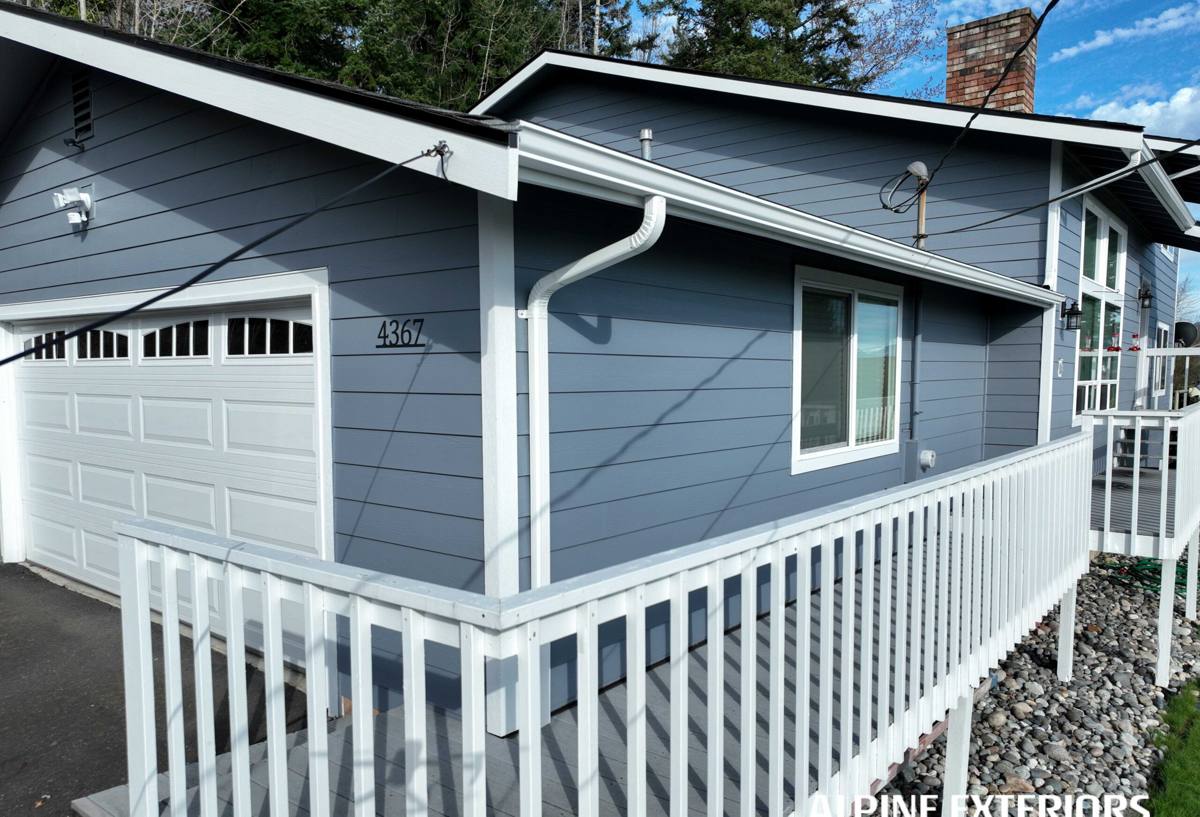
Fiber cement and quality vinyl siding both perform well in Bellingham's climate when installed with correct flashing and drainage gaps behind the panels. What causes problems isn't usually the material itself — it's siding installed tight against the wall without a way for incidental moisture to escape, which traps dampness against the sheathing.
Windows
On the sides of a house exposed to prevailing wind and rain, window flashing and sealant details are what separate a window that performs for twenty years from one that starts leaking at the corners within five. We pay particular attention to head flashing and the integration between window flanges and the surrounding siding or trim.
Decks
Decks in a damp, shaded climate need materials and fastening chosen for moisture resistance, plus enough airflow underneath to let the structure dry out between rain events. Composite decking has become popular here because it doesn't require the same ongoing sealing and staining that wood does, though wood decking can still perform well with a realistic maintenance plan.
Why a Local Crew Matters for Fairhaven Specifically
A contractor who only works inland, or who splits time across a much drier region, doesn't build the same instincts a crew develops from working Bellingham and Whatcom County roofs and exteriors year-round. Knowing which streets in Fairhaven see the most wind-driven rain, which roof slopes stay shaded longest into the afternoon, and how quickly moss comes back on a given exposure isn't something you learn from a manual — it's something a crew learns from doing the work here repeatedly.
That local knowledge shapes real decisions: which fastener spec to default to, how much underlayment overlap to build in beyond code minimums, and when a homeowner actually needs full moss treatment versus a simple gutter cleaning. It also means we're reachable and accountable after the job is done, not working out of a truck that's three counties away by the time a question comes up.
Maintenance Habits That Make the Biggest Difference
A well-built roof and exterior still need routine attention in this climate. These are the habits that consistently separate homes that age well from ones that need premature repairs:
- Clean gutters and downspouts at least twice a year, more often under heavy tree cover
- Have moss growth addressed before it spreads across a full slope, not after
- Trim back branches that shade the roof or rub against siding during wind
- Inspect flashing around chimneys, skylights, and vents every couple of years, since these are the most common leak points
- Check caulking and sealant around windows and deck ledger boards annually
- Walk the exterior after major windstorms to catch loose siding or lifted shingles early
None of these are expensive on their own. Skipping them for years at a time is what turns a minor issue into a full repair or replacement.
Getting Started
If you're in Fairhaven and dealing with moss buildup, a slow leak, aging siding, or windows that let in drafts, we're happy to take a look and give you a straight answer about what's actually going on and what it would take to fix it. We offer free, no-pressure estimates — use the form below to get in touch and we'll set up a time to come out.