 Bellingham Roofing
 Exterior Work Built for the Columbia Neighborhood
Columbia sits close enough to Bellingham Bay that its homes take on a different kind of weathering than houses further inland. Between the salt-tinged air rolling off the water, the driving rain that Whatcom County sees for much of the year, and a moss season that seems to stretch longer every year, roofs and siding here work harder than they do in drier parts of the state. Bellingham Roofing Co has spent years working on homes throughout this area, and we've learned what actually holds up in these conditions versus what looks fine on install day and starts failing within a few winters.
This page covers what we see most often on Columbia homes, how we approach roofing, siding, window, and deck work for this specific stretch of Bellingham, and what to expect if you're getting ready to tackle a repair or replacement.
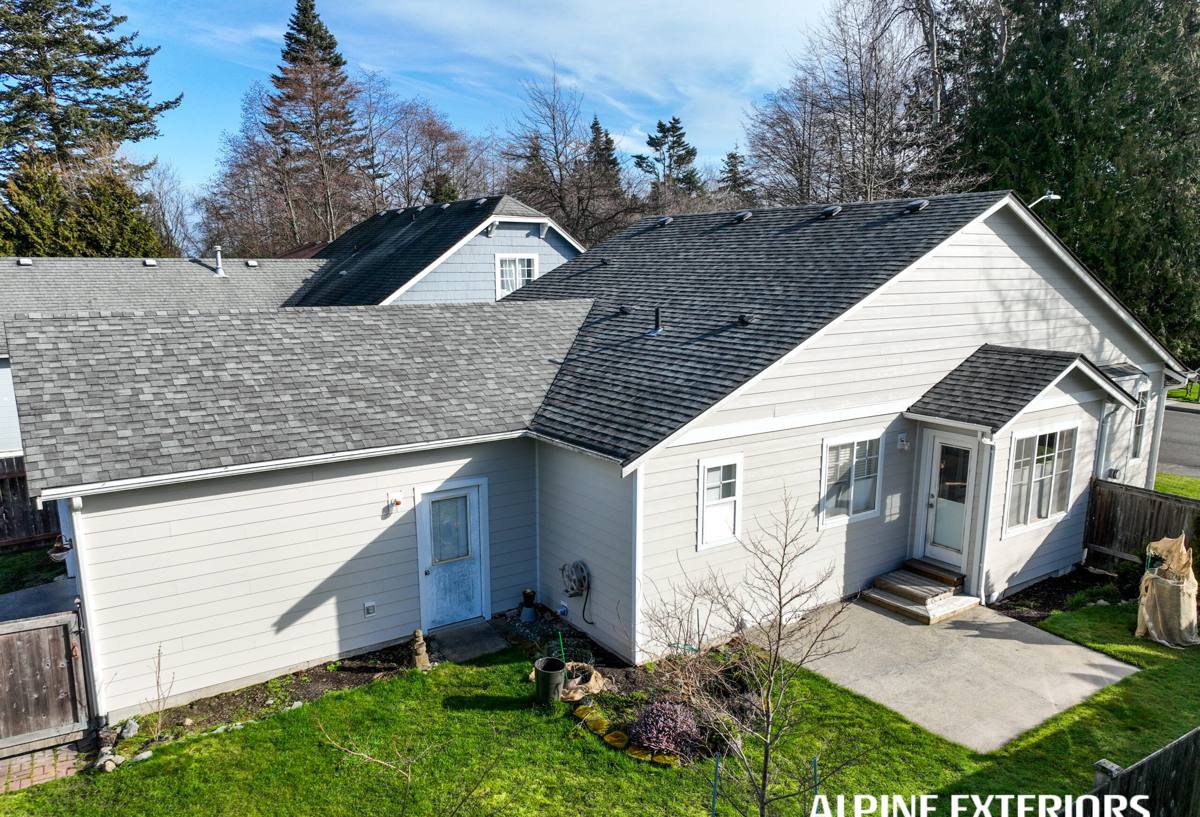
How the Local Climate Affects Your Roof and Siding
Salt Air and Metal Fasteners
Homes closer to the bay deal with a slow, steady corrosion problem that inland neighborhoods mostly avoid. Exposed nail heads, cheap flashing, and lower-grade fasteners break down faster near saltwater, even a mile or two inland, because the air carries fine salt particulate that settles on every exterior surface. We spec corrosion-resistant fasteners and flashing on Columbia jobs as a standard practice, not an upsell, because replacing a roof over rusted-out flashing in eight years costs everyone more than doing it right the first time.
Driving Rain and Wind-Driven Moisture
Whatcom County doesn't just get a lot of rain — a good portion of it comes in sideways during winter storms off the Strait of Georgia. That matters because driving rain finds its way into gaps that a straight-down rain would never reach: under siding laps, around window flanges, and along roof-to-wall transitions. Proper flashing detail and lap sequencing at these transition points is where most long-term leaks either get prevented or get built in.
Moss, Algae, and a Long Wet Season
Bellingham's moss season isn't a two-month nuisance — on north-facing and shaded roof slopes, it's close to year-round. Moss holds moisture against roofing material long after the surrounding area has dried out, which accelerates granule loss on asphalt shingles and can work its way under shakes and shingle tabs over time. Left unchecked, moss growth also adds weight and can lift shingle edges enough to let wind-driven rain underneath.
Roofing Services in Columbia
We handle both full roof replacement and targeted repair work, and for most homes in this neighborhood we start with an honest assessment of which one actually makes sense. A roof with isolated moss damage or a handful of failed flashing points doesn't need a full tear-off. A roof with widespread granule loss, soft decking, or multiple past patch jobs usually does.
- Full roof replacement — asphalt composition, architectural shingle, and metal roofing options suited to coastal Whatcom County exposure
- Leak diagnosis and repair, including tracing leaks back to their actual entry point rather than just patching the ceiling stain location
- Moss treatment and removal, plus preventive gutter and edge maintenance to slow regrowth
- Flashing repair and replacement around chimneys, skylights, and roof-wall intersections
- Storm damage assessment and repair after wind or heavy rain events
We also do straightforward roof inspections for homeowners who just want a professional opinion before winter — no pressure to sign up for work that isn't needed.
Siding That Handles Coastal Exposure
Siding takes a beating in this climate from two directions: driving rain trying to get behind it, and prolonged dampness that doesn't fully dry between storms. We install and repair a range of siding materials, and we're upfront about the trade-offs of each rather than steering every homeowner toward the same product.
| Siding Type | Moisture Behavior | Maintenance | Typical Fit |
|---|---|---|---|
| Fiber cement | Very stable, low expansion/contraction | Repaint every 10-15 years | Homes wanting long-term durability near the bay |
| Vinyl | Doesn't absorb water, but relies heavily on proper installation to shed it | Low — occasional wash | Budget-conscious replacements |
| Wood (cedar) | Traditional look, but needs consistent sealing to manage moisture | Higher — regular refinishing | Homeowners committed to upkeep for the aesthetic |
| Engineered wood | Good stability if factory-sealed edges stay intact | Moderate — inspect cut edges | Middle-ground look and cost |
Whatever material you choose, the installation detail matters more than the brand name on the product. Correct house wrap sequencing, proper lap overlap, and careful flashing at windows and doors are what actually keep water out — we won't cut corners on those details to save an hour of labor.
Windows: Sealing Out Drafts and Moisture
Older windows in this area often show two separate problems at once: failing seals that let in cold drafts, and water intrusion around the frame from years of driving rain finding a way past worn caulking or degraded flashing tape. We assess both when we look at a window replacement or repair, because fixing the draft without fixing the water path just delays the more expensive problem.
For replacement windows, we focus on proper flashing integration with the surrounding siding or trim — a well-built window installed with poor flashing detail will leak regardless of how good the window itself is.
Signs Your Windows Need Attention
- Visible condensation or fogging between glass panes (failed seal)
- Soft or discolored trim or siding immediately around the frame
- Noticeable draft when standing near the window on a windy day
- Difficulty opening, closing, or locking the window
- Visible gaps or cracked caulking around the exterior frame
Decks: Standing Up to Year-Round Wet Weather
A deck in Columbia spends most of the year damp, whether that's from rain, morning dew, or the general humidity that comes with being close to the water. That constant moisture cycle is hard on ledger boards, fasteners, and any wood surface without adequate drainage or airflow underneath. We build and repair decks with attention to the parts that fail first in this climate: ledger board flashing where the deck meets the house, proper board spacing for drainage, and fasteners rated to resist corrosion.
For existing decks, we also do structural repair — replacing rotted ledger boards, addressing soft or spongy decking, and correcting drainage issues that are accelerating wear. A deck that looks fine on the surface can still have moisture damage underneath at the ledger connection, which is one of the more serious issues we check for since it affects the deck's structural attachment to the house.
Why a Local Crew Matters Here
Roofing and siding work in Columbia isn't the same job as the same work done twenty miles inland, or even in a drier part of Washington. A crew that works throughout Bellingham and Whatcom County regularly sees how moss, salt air, and driving rain actually play out on real roofs and walls over years, not just on install day. That shapes decisions we make on every job — the fasteners we use, how we detail flashing at transitions, and which materials we recommend for a given exposure.
It also means we're familiar with the practical side of working in this area: typical permitting expectations, common construction types in the neighborhood, and the kind of weather windows you actually get for exterior work here.
What to Expect From an Estimate
When we come out to look at a roof, siding, window, or deck project in Columbia, we walk the property, look at the specific problem areas, and give you a straightforward read on what's actually going on — not just a quote for the biggest possible job. If a repair will genuinely hold up, we'll say so. If a full replacement is the more honest long-term call, we'll explain why, in plain terms tied to what we found on your property.
A Few Cost Factors Worth Knowing Going In
- Roof pitch and accessibility affect labor time more than most homeowners expect
- Material choice (asphalt vs. metal vs. fiber cement, etc.) drives a large share of total cost
- Extent of hidden damage — rot, soft decking, corroded fasteners — found once work begins
- Number of transitions and penetrations (chimneys, skylights, vents) needing flashing work
- Current condition and age of the existing installation
Maintenance Tips for Columbia Homeowners
A little seasonal attention goes a long way in this climate. Clearing debris and moss from roof valleys before the heaviest winter rains, keeping gutters flowing so water isn't backing up under roof edges, and doing a visual check of caulking around windows each fall can catch small problems before they become expensive ones. If you're not comfortable getting on a roof or ladder yourself, a periodic professional check is a reasonable substitute — we're happy to do a straightforward inspection even outside of a repair or replacement project.
If you're dealing with a roofing, siding, window, or deck issue on your Columbia-area home, we're glad to come take a look and give you a clear, no-pressure estimate using the form below.