 Bellingham Roofing
 Building New in Cordata Means Getting Windows Right the First Time
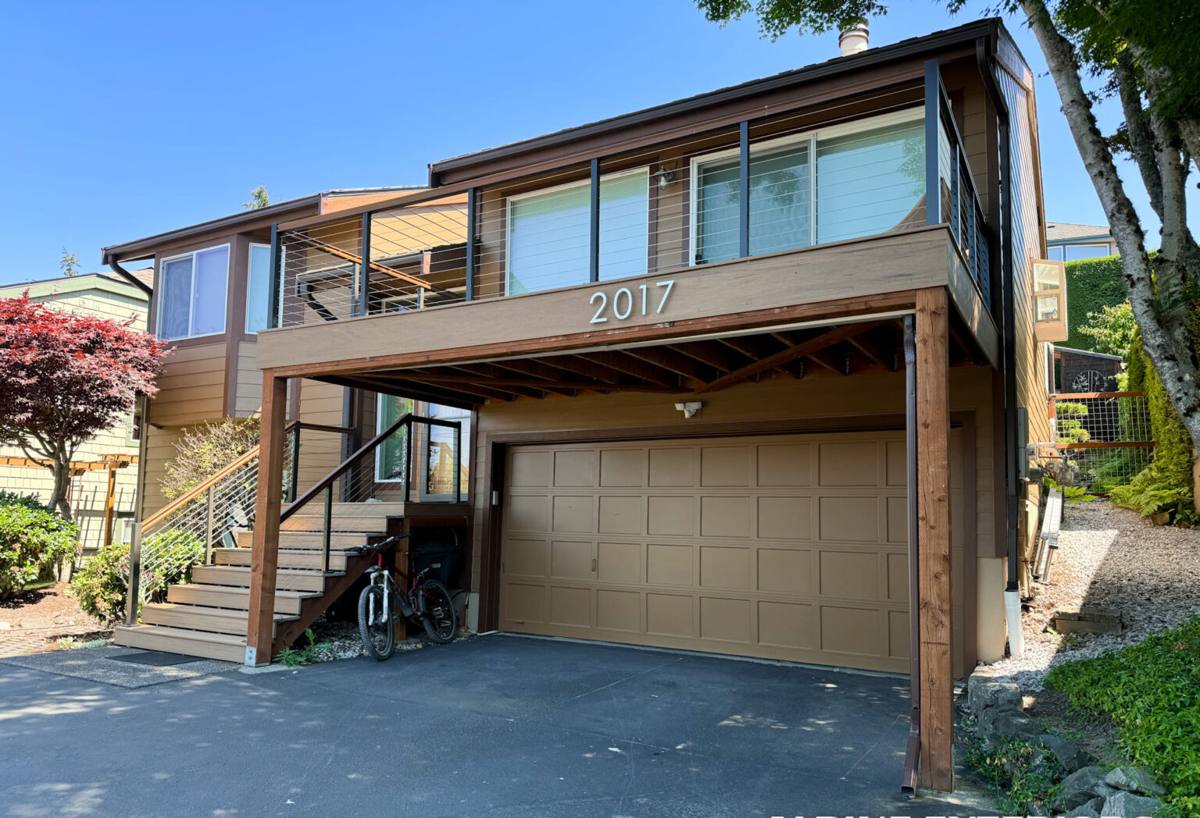
Cordata has grown steadily over the past decade, and a lot of that growth is new single-family construction and townhomes going in on former farmland and wooded parcels north of downtown Bellingham. When you're building new, the windows aren't a repair or an upgrade — they're a structural and weatherproofing decision baked into the walls before siding, trim, or interior finishes ever go on. Get the flashing, the fastening, and the sealant details wrong at this stage, and you're not dealing with a drafty window in five years — you're dealing with rot behind the drywall that nobody sees until it's expensive.
New-construction windows are a different job than a retrofit or a replacement unit dropped into an existing opening. They use a nailing flange that ties directly into the house wrap and flashing system, which means the window installer has to coordinate closely with the framer and the siding crew, not just the window itself. In Whatcom County, where the building envelope has to handle sustained wet weather for months at a time, that coordination is where most long-term problems either get prevented or get built in.
What Bellingham's Climate Actually Demands From a New Window Install
Cordata sits close enough to the water and low enough in elevation that homes here deal with the same core exposures as the rest of Whatcom County: salt-laden air moving in off Bellingham Bay and the Strait of Georgia, driving rain that comes in sideways during winter storms, and a moss season that stretches from fall through spring on anything shaded or north-facing. None of these are dramatic on their own, but stacked together over years, they punish weak points in a window installation that would go unnoticed in a drier climate.
Salt air and metal components
Salt air accelerates corrosion on unprotected fasteners, cheap window hardware, and some aluminum trim components. It doesn't mean you need exotic materials — it means we spec corrosion-resistant fasteners and hardware as standard, not as an upsell, and we pay attention to any dissimilar-metal contact points that can gall or corrode over time.
Driving rain and flashing
Wind-driven rain finds any gap in a flashing plane. A new-construction window opening has to be flashed in a specific sequence — sill pan first, then the window, then jamb flashing, then head flashing lapped over the top — so that any water that does get past the window sheds down and out, never inward. Skipping or reversing this order is the single most common cause of hidden water intrusion in new builds we're asked to inspect or fix later.
Moss and prolonged surface moisture
Moss doesn't damage a window directly, but it holds moisture against trim, sills, and cladding for extended periods, which is exactly the condition that breaks down sealants and finishes prematurely. Window and trim details that shed water quickly and don't have flat, moss-friendly ledges last longer here.
New-Construction Windows vs. Replacement Windows
Homeowners and even some builders use these terms interchangeably, but the products and installation methods are different, and using the wrong one creates problems.
| Factor | New-Construction Window | Replacement (Insert) Window |
|---|---|---|
| Installed when | Before siding/exterior finish goes on | Into an existing finished opening |
| Attachment method | Nailing flange fastened to sheathing | Fastened through the existing frame, no flange |
| Flashing integration | Flashed directly into house wrap/WRB | Relies on existing flashing already in the wall |
| Best use case | New builds, additions, full wall re-sheathing jobs | Existing walls where siding stays in place |
| Glass area | Can be sized to full rough opening | Slightly smaller than original due to frame-in-frame fit |
For Cordata new construction, the nailing-flange window is the correct product almost every time. Using a replacement-style insert in new framing skips the flashing integration these coastal-climate walls need.
What a Correct New-Construction Install Actually Involves
A window install on a new build is really a sequence of small decisions, each one dependent on the last being done correctly.
Rough opening and sill pan
The rough opening gets checked for square and correct sizing before anything else happens. A sloped or flat sill pan goes in first — this is the backstop that catches any water that eventually works past the window itself and directs it back outside instead of into the wall cavity.
Window-to-wall sealant and flashing
The window sets into the opening on a bed of sealant at the sill, then gets flashed at the jambs and head in the correct shingle-lap order so water always sheds downward and outward. Housewrap gets integrated at each layer rather than just taped over the top.
Fastening and shimming
The nailing flange gets fastened per the manufacturer's schedule — skipping fastener locations to save time is a common shortcut that shows up later as air and water leaks. Shims correct for any minor frame irregularities so the window operates smoothly and doesn't bind or rack.
Interior and exterior sealing
Low-expansion foam or backer rod and sealant fill the gap between the frame and rough opening — enough to air-seal without bowing the frame inward, which is a real risk with over-filled spray foam.
Energy code compliance
Washington's state energy code sets minimum U-factor and solar heat gain performance requirements for new-construction windows, and Whatcom County enforces these at permit and inspection. We select and document products that meet code for the specific project, so there are no surprises at final inspection.
Our Process on a Cordata New-Construction Job
- Review the plans and rough-opening schedule with the builder or homeowner before windows are ordered
- Confirm window sizes, egress requirements, and energy-code performance ratings match the permit set
- Inspect rough openings for square, level, and correct sheathing/WRB before setting any windows
- Install sill pans, set windows, and flash in the correct water-shedding sequence
- Fasten per manufacturer specification and verify smooth operation of every sash
- Seal and document each opening for the builder's records and inspection sign-off
- Walk the job with the homeowner or builder before siding closes in the openings
That last step matters more than people expect — once siding goes on, flashing and sealant work is hidden. We'd rather have a second set of eyes on it while it's still visible and correctable.
Choosing Window Frame Materials for This Climate
Frame material affects how a window holds up to years of damp weather, not just how it looks on day one.
| Frame Type | Moisture Behavior | Maintenance | Typical Fit |
|---|---|---|---|
| Vinyl | Doesn't rot; seams need quality welds | Low — occasional cleaning | Most cost-conscious new builds |
| Fiberglass | Very stable, minimal expansion/contraction | Low | Higher-end new builds, larger openings |
| Wood-clad | Good if cladding and sealant details are correct | Moderate — exterior clad protects wood core | Homes wanting a wood interior look |
| Aluminum | Can conduct cold and condense in our winters | Low, but thermal performance is a trade-off | Limited use, mainly commercial-style openings |
We don't push one brand or material as universally "best" — we size the recommendation to the project's budget, style, and how exposed the elevation is to weather. A north-facing or water-facing wall in Cordata deserves more attention to sealant and flashing detail regardless of which frame material gets chosen.
Mistakes We See on New-Construction Jobs
- Flashing installed out of sequence, so water gets directed into the wall instead of away from it
- Nailing flange partially fastened to save time, leaving the window free to move or leak
- Housewrap taped over the flange instead of properly lapped, breaking the drainage plane
- Sill pans skipped entirely on lower-cost builds
- Spray foam overfilled around the frame, bowing it and causing the sash to bind
- Window sizes ordered before rough openings are field-verified, causing on-site rework
- Energy-code documentation missing or mismatched at final inspection
Why Hire a Crew That Already Works in Cordata
Every neighborhood in Whatcom County has its own quirks — soil conditions that affect foundation and framing tolerances, prevailing wind direction, tree cover that keeps certain elevations damp longer. A crew that has worked multiple Cordata builds already knows which elevations need extra flashing attention and which lots hold moisture longer into the spring. That's not something you can fully substitute with a spec sheet — it comes from having stood in the framing on enough local jobs to see how the weather actually behaves on this ground, not just what the code minimum requires.
It also matters for coordination. New-construction window work sits between the framer and the siding crew, and a contractor who regularly works alongside Bellingham-area builders knows how to slot into that schedule without holding up the job or leaving a gap where the trades don't talk to each other.
After the Windows Are In: What Ongoing Care Looks Like
New-construction windows installed correctly need very little attention, but Whatcom County's long moss season means the surrounding trim and siding need periodic checking. Keeping gutters clear so water doesn't back up against head flashing, checking exterior sealant lines annually for cracking, and clearing moss or debris off sills and horizontal trim keeps the whole system working the way it was designed to. None of this is window maintenance exactly — it's wall-system maintenance, and it protects the investment in the window install underneath it.
What Affects the Cost of a New-Construction Window Package
| Cost Factor | Why It Matters |
|---|---|
| Number and size of openings | More or larger windows means more material and labor |
| Frame material | Vinyl runs lower cost than fiberglass or wood-clad |
| Performance rating | Higher U-factor/solar heat gain performance windows cost more but may be required by code on certain elevations |
| Site access and building stage | Coordinating with an active framing schedule can affect timing and sequencing |
| Elevation exposure | Walls facing prevailing wind and rain may warrant extra flashing detail |
We provide a written estimate broken down by opening and product line so a builder or homeowner can see exactly where the cost is going, rather than one lump number.
If you're framing a new home or addition in Cordata and want the window package planned correctly from the rough-opening stage forward, we're happy to walk the plans with you and provide a free, no-pressure estimate — just fill out the form below.