 Bellingham Roofing
 South Hill's Exterior Challenges Are Different From the Rest of Bellingham
South Hill sits up on the slope above downtown Bellingham, which means homes there catch weather that flatter neighborhoods sometimes miss. The elevation and exposure pull in wind off Bellingham Bay, and that wind carries a mix of salt-laden air and moisture that settles into roofing, siding, and trim over time. Add in the long gray stretch of fall through spring that's typical of Whatcom County, and you've got a recipe for slow, steady wear rather than dramatic storm damage — shingles that granulate faster than they should, siding that holds moisture in its seams, and moss that never really stops growing on the north-facing slopes of a roof.
None of this means South Hill homes are doomed to constant repair. It means the materials, the installation details, and the maintenance schedule need to match what the site actually experiences, not a generic textbook climate. That's the lens we bring to every job in the neighborhood.
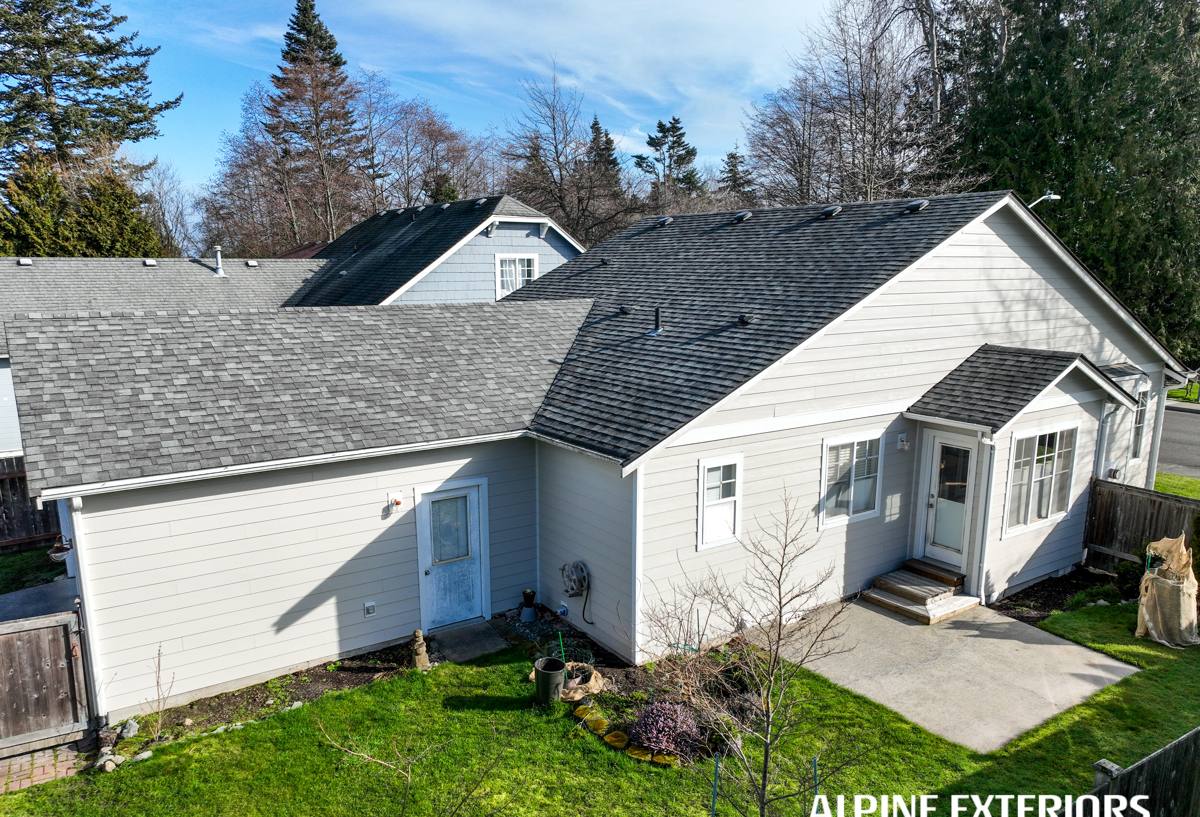
Roofing: What Actually Holds Up Here
Moss Is a Year-Round Conversation, Not a Spring Chore
Whatcom County's moss season runs long — often eight or nine months out of the year when you count the slow build-up phase. On South Hill in particular, tree cover and shaded northern exposures on many lots give moss exactly the damp, low-sun conditions it wants. Left alone, moss doesn't just look bad; it holds water against the shingle surface, lifts tabs, and works its way under flashing where it causes leaks that show up months later, far from where the moisture actually entered.
We treat moss prevention as part of the roofing system, not an afterthought. That means zinc or copper strips at the ridge on new installs, product choices that resist moss growth better than others, and a maintenance rhythm that catches buildup before it becomes a structural issue.
Driving Rain and Wind-Driven Moisture
Rain that comes in sideways off the bay tests details that a straight-down rainstorm never would — step flashing at wall intersections, valley construction, and the underlayment beneath the visible roofing layer. A roof that looks fine from the ground can still be letting water track sideways under the shingles during a real wind-driven event. This is why we spend as much time on flashing and underlayment as we do on the shingles themselves; it's usually the unglamorous parts of a roof that fail first in this climate.
| Roofing Material | How It Handles This Climate | Typical Lifespan Here |
|---|---|---|
| Architectural asphalt shingle | Good moisture and wind resistance when installed with proper underlayment; moss-resistant options available | 20-30 years |
| Standing seam metal | Sheds moss and moisture well due to smooth surface and slope; strong wind performance | 40-50+ years |
| Cedar shake | Traditional look but requires disciplined upkeep against moss and moisture retention in a wet climate | 20-25 years with regular maintenance |
| Composite/synthetic shake | Mimics cedar appearance with better moisture resistance and lower maintenance burden | 30-40 years |
We don't push one material on every home. A lot of it comes down to roof pitch, tree cover, budget, and how much ongoing maintenance a homeowner actually wants to take on. We'll walk through the honest trade-offs of each option during an inspection rather than steering you toward whatever's easiest for us to install.
Siding: The First Line of Defense Against Salt Air and Rain
Siding on South Hill homes takes a steady beating from horizontal moisture. The biggest failure point we see isn't the siding material itself — it's the water management behind it. Improperly lapped house wrap, missing kick-out flashing above decks and porches, and caulk used as a substitute for proper flashing all lead to moisture getting trapped behind the siding where it can rot sheathing long before anything looks wrong on the surface.
We prioritize correct water-resistive barrier installation and flashing details on every siding job, whether that's fiber cement, engineered wood, or vinyl. The visible product matters less than what's underneath it when you're dealing with this much annual rainfall.
Common Siding Issues We Find on South Hill Homes
- Caulk cracking and pulling away at trim joints after a few wet-dry cycles
- Moss and algae staining on north- and west-facing walls with less direct sun
- Soft or delaminating siding near ground contact where splashback keeps material wet
- Missing or undersized flashing above windows and doors
- Paint or finish failure on sun-and-salt-exposed elevations facing the bay
Windows: Condensation, Drafts, and Energy Loss
Older single-pane or early double-pane windows in South Hill homes tend to show their age through condensation between panes, fogging, and drafts that get noticeably worse during the cold, damp months. In a marine climate like ours, failed window seals let humid outside air interact with warmer interior air right at the glass, which accelerates both energy loss and, in bad cases, moisture damage to the surrounding wood trim and sill.
When we replace windows, we're also checking the flashing and sill pan detail around the opening — a new window installed over a bad flashing job just hides the same leak path for a few more years. Getting that integration right matters more here than in drier climates, where a sloppy install might go unnoticed for a decade.
Decks: Built for Shade, Moss, and Standing Water
Many South Hill lots have mature trees, which means decks often sit in partial shade for a good part of the day. That's pleasant in summer but tough on a deck surface — shade plus regular rain equals slower drying time, which is exactly what encourages moss, algae, and eventually rot in fasteners and ledger boards. The ledger board connection, where the deck attaches to the house, is one of the most safety-critical points on any deck, and it's also one of the most common places we find hidden water damage during inspections.
Composite decking has become a popular choice locally because it resists moisture absorption better than untreated wood, though it still needs proper drainage and airflow underneath to perform well. Wood decking can still be the right call for homeowners who prefer the look and are willing to keep up with sealing and cleaning on a regular schedule.
Why Local Experience Matters for South Hill Projects
A crew that works across Whatcom County regularly, rather than one that's unfamiliar with this specific microclimate, is going to make different calls on underlayment, flashing, and material selection than someone used to a drier region. We've seen how moss builds on South Hill's shaded slopes, how wind off the bay finds weak points in siding, and how the county's building and permitting expectations apply to roofing, siding, window, and deck work. That local pattern recognition is part of what keeps a repair from turning into a repeat visit.
Being local also means we're not disappearing after the invoice is paid. If something comes up during the next wet season, we're a short drive away, not a call center in another state.
How We Approach a South Hill Project
- Inspection. We look at the whole exterior system — roof, siding, windows, and decks — since problems in one area often show up as symptoms in another (a siding leak can look like a window problem, for instance).
- Honest assessment. We tell you what needs attention now, what can wait, and what's simply cosmetic. We're not going to sell you a full roof replacement when a section of flashing repair will do.
- Clear plan and pricing. You get a written scope before any work starts, so there's no ambiguity about materials or cost.
- The work itself. We follow manufacturer installation specs and pay particular attention to the moisture-management details that matter most in this climate.
- Final walkthrough. We go over the finished work with you before we consider the job done.
A Maintenance Checklist for South Hill Homeowners
Between professional inspections, a few habits go a long way toward protecting a home's exterior in this climate:
- Check the roof for visible moss buildup at least twice a year, especially on shaded slopes
- Keep gutters clear — clogged gutters send water where it shouldn't go, including behind siding and fascia
- Trim back tree branches that keep roof and deck sections shaded and slow to dry
- Look for caulk cracking or gaps around windows and trim after the first hard freeze-thaw cycle each year
- Check deck ledger boards and fasteners for soft spots or rust staining once a year
- Watch for peeling paint or dark streaking on siding, which often signals trapped moisture underneath
What Drives Cost on Exterior Projects
| Factor | Why It Matters |
|---|---|
| Roof pitch and access | Steeper or harder-to-access roofs take longer and require more safety setup |
| Existing damage or rot | Hidden sheathing or framing damage found during tear-off adds material and labor |
| Material choice | Asphalt, metal, and composite products vary significantly in upfront cost and lifespan |
| Number of penetrations and valleys | Chimneys, skylights, and complex rooflines mean more flashing detail work |
| Scope | Bundling roofing, siding, window, or deck work can reduce some overlapping costs like setup and disposal |
Repair or Replace: How We Help You Decide
Not every issue means a full replacement. A localized roof leak might just need a flashing repair or a section of shingles addressed. Siding with isolated rot near ground contact might only need that section replaced rather than a full re-side. We'll always give you the repair option first if it's a genuinely sound long-term fix, and we'll explain clearly when a repair is likely to just delay a bigger cost down the road versus when it's a perfectly reasonable long-term solution.
If you're noticing moss buildup, drafty windows, siding that looks tired, or a deck that needs a closer look, we're happy to come take a look. Reach out for a free, no-pressure estimate using the form below, and we'll give you a straight assessment of what your South Hill home actually needs.