 Bellingham Roofing
 Roofing and Exterior Work in Edgemoor
Edgemoor sits close to the water on Bellingham's south side, tucked into mature trees along a shoreline stretch of Whatcom County. That combination — big fir and cedar canopy, steep and winding lots, and a home's-throw proximity to Bellingham Bay — creates a specific set of exterior problems that don't show up the same way a few miles inland. We've worked on enough roofs, siding jobs, window replacements, and decks in this part of the county to know what actually wears out first here, and what's worth spending money on versus what can wait.
This page isn't a sales pitch dressed up as an article. It's a plain rundown of what Edgemoor homes face, how we approach the work, and what a homeowner should know before hiring anyone for a roof, siding, window, or deck project in this neighborhood.
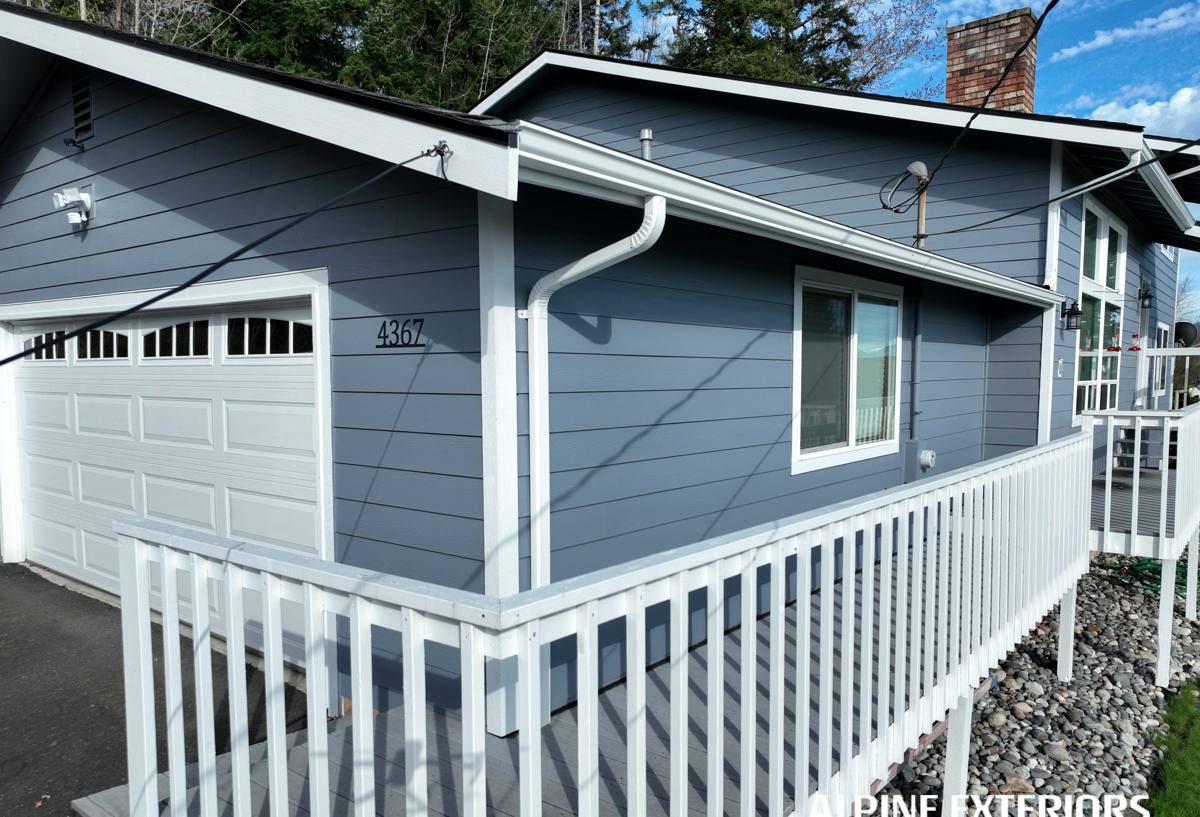
What Coastal Air and Heavy Rain Do to a Roof
Salt-laden air off the bay doesn't cause the dramatic, fast failures that hail or wind events do further inland. It's slower and quieter — a steady chemical stress on anything metal. Flashing, fasteners, gutter hardware, and any exposed metal roofing components take the brunt of it. Lower-grade fasteners and untreated flashing corrode faster near the water than they would a few miles east, even though the difference isn't visible for years.
Layer on top of that the volume of rain Whatcom County sees in a typical fall through spring stretch, and you get a roof system that's rarely fully dry. Underlayment quality, proper overlap at seams, and ventilation all matter more here than they would in a drier climate, because a marginal installation has far less time to recover between rain events before the next one hits.
The two failure points we see most
- Flashing around chimneys, skylights, and roof-to-wall transitions that was sealed with caulk instead of properly lapped and integrated — caulk fails; flashing done correctly doesn't rely on it.
- Fastener corrosion at the eaves and in valleys, where water sits longest and salt-influenced moisture lingers even after a storm has passed.
Why driving rain changes the installation, not just the material
Wind-driven rain off the water can push moisture sideways and up under shingle tabs and siding laps in ways vertical rain doesn't. That's a detailing issue more than a materials issue — proper underlayment, ice-and-water shield at vulnerable transitions, and correct nailing patterns matter as much as which shingle brand ends up on the roof.
Moss and Shade: The Long Season Homeowners Deal With
Edgemoor's tree cover is part of what makes the neighborhood what it is, but shade and moisture together mean a long moss season on north-facing roof slopes and anywhere a roof stays shaded most of the day. Moss isn't just cosmetic. It holds moisture against the roofing material, works its way under shingle edges as it grows, and can lift tabs enough to let water underneath.
How we handle moss
We treat and remove moss using methods that don't strip granules or damage the roofing surface — no pressure washing directly on shingles, which does more harm than the moss itself. Zinc or copper strips near the ridge can help slow regrowth on shaded slopes, and we'll tell you honestly whether that's worth it for your specific roof orientation rather than upselling it on every job.
Gutters clog faster under heavy tree cover, and a clogged gutter backs water up under the roof edge — which is a bigger problem than the moss itself in a lot of cases. If you're only doing one piece of seasonal maintenance in Edgemoor, keeping gutters clear during leaf and needle drop pays off more than almost anything else.
Siding That Holds Up in a Wet, Wooded Neighborhood
Older homes in Edgemoor run the gamut — wood siding, cedar shingle siding, some vinyl and fiber cement from past remodels. Each has different maintenance needs in a shaded, humid environment, and the honest answer depends on what's already on the house and what condition it's in.
What we look for on a siding inspection
- Soft spots or delamination near ground level and under windows, where splashback and slow-draining grade keep siding wet longer.
- Paint or stain failure on shaded, north- and west-facing walls, which dry out slower after rain than sun-exposed sides.
- Gaps at trim and butt joints that let moisture behind the siding rather than shedding it — this is often a bigger driver of rot than the siding material itself.
Fiber cement holds up well against the moisture load here and doesn't feed mold or insects the way untreated wood can, which is why we recommend it often for full replacements in wooded, shaded lots. That said, if a home's existing wood or cedar siding is in good shape, we're not going to tell you to tear it off — proper maintenance and re-sealing on a reasonable cycle is often the more sensible call, and we'll say so.
Windows and Moisture Control
Older single-pane and early double-pane windows are common in this part of Bellingham, and in a shaded, damp environment they tend to show two problems: fogged or failed seals between panes, and wood or vinyl frame degradation where water sits on the sill. Neither is dangerous, but both cost you in heating bills and eventually in rot around the frame if left long enough.
When we replace windows in Edgemoor, we pay close attention to flashing integration with the surrounding siding — a window that's air-sealed on the inside but not properly flashed on the outside will still let water into the wall cavity, and that's a much more expensive problem to fix later than the window itself. Given the tree cover and rain exposure, we also talk through frame material trade-offs honestly: vinyl is low-maintenance and budget-friendly, fiberglass holds up longer under UV and moisture cycling, and wood-clad options look great but need more upkeep in a shaded, humid setting.
Decks Built for Bellingham Weather
A lot of Edgemoor properties are built to take advantage of water views or wooded privacy, which means decks that see heavy shade, dropped needles and leaves, and near-constant dampness for parts of the year. That combination is hard on decking material and even harder on the structural framing underneath if it's not detailed correctly.
What matters most on a deck in this environment
- Proper flashing where the deck ledger attaches to the house — this is the single most common point of hidden rot on older decks, and it's invisible until the damage is advanced.
- Gapping and drainage in the decking boards themselves, so water and debris don't sit and hold moisture against the wood.
- Composite or properly maintained cedar decking, both of which handle a shaded, wet environment better than untreated softwood.
We inspect the structure underneath, not just the surface boards, because a deck that looks fine on top can have a compromised ledger connection or joists that have been wicking moisture for years.
Cost Factors for Edgemoor Exterior Projects
Pricing depends on the specifics of your home, but these are the factors that most often move a bid up or down in this neighborhood specifically.
| Factor | Why it matters here |
|---|---|
| Tree cover and access | Steep, wooded lots can add setup and material-handling time compared to open, flat sites |
| Existing moss or moisture damage | Hidden rot found once old material is removed can add scope, especially on shaded slopes |
| Roof pitch and complexity | Valleys, dormers, and multiple roof planes each add flashing detail work |
| Material choice | Composite decking, fiber cement siding, and fiberglass windows cost more upfront but need less upkeep in this climate |
| Permitting | Whatcom County and City of Bellingham permit requirements vary by project scope and property location |
We give straightforward, itemized estimates and explain what's driving the number — no inflated "storm damage" scare pricing, and no vague lump sums that hide what you're actually paying for.
Why Choose a Local Bellingham Crew
A crew that works Whatcom County regularly knows how differently a roof or siding job needs to be detailed depending on whether a property sits right along the water, is buried in tree cover, or is out in the open. We've seen how Edgemoor's specific mix of shade, salt air, and rain volume plays out over years on real roofs and real siding, not just on a spec sheet.
Being local also means we're not disappearing after the job is done. If something needs a warranty call or a follow-up inspection after a hard winter, we're a short drive away, not a regional outfit that rotated through the area for a season and moved on. We also know the local permitting process and inspection expectations, which keeps projects from stalling on paperwork.
Maintenance Checklist for Edgemoor Homeowners
A short list of what actually makes a difference for exterior longevity in this specific setting:
- Clear gutters and downspouts at least twice a year, more often on heavily shaded roofs under conifers.
- Have moss treated before it visibly lifts shingle tabs, not after.
- Check and re-seal exterior caulking at window and door trim annually — sealant fails faster in constant damp-dry cycling.
- Look at deck ledger flashing and any spots where two materials meet (roof-to-wall, deck-to-house) every year or two.
- Address soft or discolored siding promptly rather than waiting for a full section to fail.
Getting an Estimate
If you're dealing with moss buildup, a roof that's due for a look, siding that's holding moisture, aging windows, or a deck that needs an honest structural check, we're happy to come out and take a look. Estimates are free, there's no pressure attached, and you'll get a straight answer about what's actually needed versus what can wait — the form below is the easiest way to get started.