 Bellingham Roofing
 Why Sudden Valley Homes Need Windows Built for This Climate
Sudden Valley sits in the trees around Lake Whatcom, and that setting is part of what makes the community appealing — and part of what wears on a house. Heavy tree canopy keeps siding, trim, and window frames shaded and damp for long stretches of the year. Add in Whatcom County's driving rain, the marine air that moves through the region off the Salish Sea, and a moss season that can run from fall well into spring, and you have conditions that punish any window with a weak seal, a soft sill, or the wrong frame material. Windows here don't just need to look good — they need to shed water, resist wood rot and mildew, and keep performing after years of damp shade.
A lot of window trouble in this area isn't dramatic. It's a slow slide: a little condensation between panes, a sill that stays soft after rain, caulking that's cracked and let moisture behind the trim. By the time it's obvious, there's usually water damage to the framing underneath. Custom window work done right in Sudden Valley starts with respecting that slow-moisture reality, not just matching a size and calling it done.
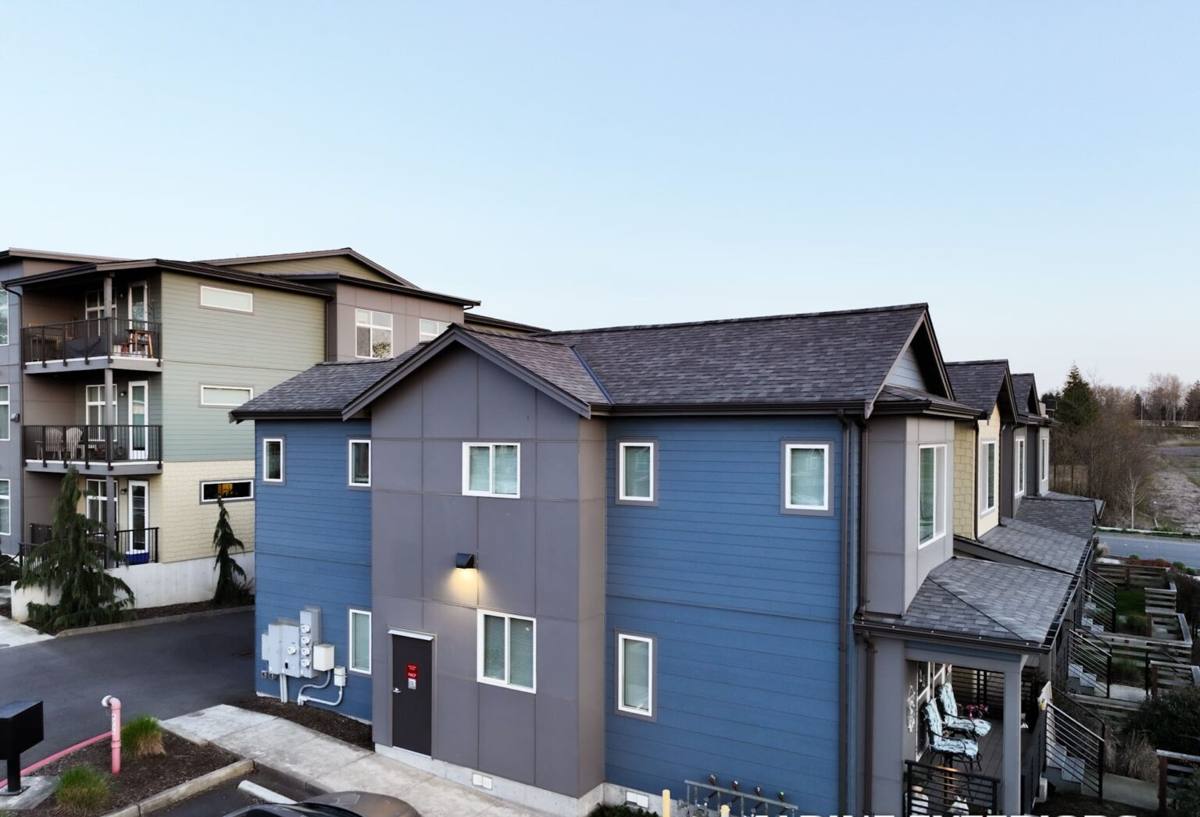
What "Custom" Actually Means for a Sudden Valley Home
Non-Standard Openings
Many homes in Sudden Valley were built to take advantage of the lake and tree views, which often means window openings that aren't standard sizes — tall lake-facing units, angled gable windows, or openings built into non-square framing after decades of settling. Off-the-shelf replacement windows don't always fit these openings cleanly, and forcing a stock size into an odd opening usually means gaps get packed with extra trim or sealant instead of a proper flashing detail. Custom work means measuring the actual opening, accounting for any settling or square issues, and either ordering a true custom size or modifying the opening correctly — not hiding a bad fit behind trim.
Working With Community Guidelines
If your property is part of the Sudden Valley community association, exterior changes — including window replacements that alter size, shape, or color — may need architectural review before work starts. We factor that into the timeline up front rather than treating it as a surprise once materials are ordered. It's a straightforward step, but skipping it can cost you time later.
Choosing the Right Frame Material
Frame material matters more here than in a drier climate. The table below reflects how each common option holds up under Whatcom County's wet, shaded conditions rather than generic marketing claims.
| Material | Moisture Resistance | Maintenance | Typical Lifespan |
|---|---|---|---|
| Vinyl | Good — won't rot, minimal upkeep | Low | 20-30 years |
| Fiberglass | Excellent — very stable, resists warping | Low | 30-40+ years |
| Wood-clad | Depends on cladding; interior wood can still show moisture damage over time | Moderate to high | 20-30 years with upkeep |
| Aluminum | Fair — durable but prone to condensation without a thermal break | Low | 20-30 years |
For most Sudden Valley homes we lean toward vinyl or fiberglass for shaded, moisture-heavy exposures, and we're upfront when a wood-clad look is requested: it can be the right call for matching an existing aesthetic, but it needs a real maintenance plan — regular inspection of the interior wood and prompt attention to any finish failure — or moisture will find its way in over time. That's a maintenance trade-off worth knowing before you commit, not a reason to avoid the look if you're willing to stay on top of it.
Glass Packages That Actually Matter Here
Frame material gets a lot of attention, but the glass package is doing just as much work against this climate. A few specifics worth understanding:
- Low-E coatings reduce heat loss and help control condensation on the interior glass surface during cold, damp mornings — common in a shaded lake community.
- Argon or krypton gas fill between panes improves insulation and helps keep interior glass temperature closer to room temperature, which cuts down on fogging.
- Double vs. triple pane — double-pane with a good Low-E package covers most homes here; triple-pane adds cost and weight but can be worth it for lake-facing rooms that see constant temperature swings and wind off the water.
- Warm-edge spacers (instead of older aluminum spacers) reduce the cold spot at the glass edge, which is often where condensation and, eventually, seal failure start.
None of this needs to be complicated. The point is matching the glass package to how exposed a given opening is — a sheltered side window doesn't need the same spec as a lake-facing wall that takes wind-driven rain directly.
Signs Your Current Windows Are Already Failing
Because moisture damage develops slowly under tree cover, a lot of homeowners don't realize a window has failed until the damage has spread past the window itself. Worth checking before it gets there:
- Fog or moisture between the panes (a sign the seal has failed and gas fill has escaped)
- Soft or spongy wood at the sill or lower frame corners
- Visible moss or dark streaking on the frame or the siding just below the window
- Difficulty opening or closing — swollen frames are a common symptom in shaded, damp locations
- Drafts or a noticeable temperature difference near the window on a cold, rainy day
- Peeling paint or failed caulking around the trim, which lets water behind the frame
Any one of these is worth a look. A couple together usually means the window — or the framing behind it — needs more than a caulk touch-up.
How We Handle a Custom Window Project
- On-site assessment. We look at every opening being replaced, check for existing moisture or rot in the surrounding framing, and note anything unusual about the opening's shape or condition.
- Accurate measurement and material selection. Openings are measured as they actually exist, not assumed to be standard. We talk through frame and glass options based on that specific opening's sun, wind, and rain exposure.
- Addressing what's behind the window first. If we find soft framing, failed flashing, or old water damage during removal, that gets repaired before the new window goes in. Installing a good window over a bad opening just delays the same problem.
- Proper flashing and sealing. Correct flashing integration with your siding and building paper is what actually keeps water out over the long run — more than the window unit itself.
- Interior and exterior finish work. Trim, caulking, and any touch-up paint or siding repair around the new window are finished to match the rest of the house.
- Final walkthrough. We check operation, seals, and finish work with you before calling the job done.
What Drives the Cost
We're not going to quote a price without seeing the openings, but these are the factors that move a custom window project up or down in cost:
| Factor | Why It Matters |
|---|---|
| Opening size and shape | Non-standard or oversized openings cost more than stock sizes to source or fabricate |
| Frame material | Fiberglass and wood-clad generally cost more upfront than vinyl or aluminum |
| Glass package | Triple-pane, upgraded Low-E, or specialty coatings add cost over a standard double-pane package |
| Condition behind the old window | Rot or water damage found during removal adds repair time before the new window goes in |
| Site access | Steep driveways, limited staging space, or second-story openings can add labor time |
| Number of openings | Doing several windows in one project is more efficient per-window than one-off replacements |
Custom windows generally run more than a same-size stock replacement, since the labor to fit and finish a non-standard opening correctly takes longer regardless of the window itself. We'll walk through exactly which of these factors apply to your home during the estimate.
Why a Crew That Already Works Sudden Valley Matters
Sudden Valley isn't a typical in-town job site. Narrow, wooded private roads, steep driveways, and limited staging space around a lot of homes all affect how a window job gets planned and executed — a crew showing up without that context can lose real time just figuring out logistics. Familiarity with the community's architectural review process also matters if your home falls under it; knowing what documentation is typically expected up front avoids delays once materials have already been ordered.
Just as important is understanding the building conditions specific to this setting — shaded, tree-covered lots that stay damp longer than open sites in town, and the moss and mildew growth that comes with it. A crew that regularly works this area knows to check for the moisture patterns these conditions create, rather than treating every job like it's on a dry, sun-exposed lot in a different part of Bellingham.
Maintaining New Windows Through Moss Season
New windows installed correctly should need very little attention, but a bit of seasonal care goes a long way in this environment:
- Rinse frames and sills periodically to clear moss spores and organic debris before they take hold, especially on north-facing or heavily shaded windows.
- Check weep holes on vinyl and aluminum frames each fall to make sure they're clear and draining properly.
- Inspect exterior caulking annually — it's a small job that prevents the water intrusion that leads to a much bigger repair later.
- Trim back overhanging branches or brush where practical, to cut down on shade and moisture sitting directly on the window and surrounding trim.
If you're weighing a window project for a Sudden Valley home — one problem opening or a full house — we're happy to take a look and walk you through honest options for your specific exposure and budget. Reach out for a free, no-pressure estimate using the form below.