 Bellingham Roofing
 Windows in Barkley Face a Specific Kind of Weather
Barkley sits close enough to Bellingham Bay that salt air is a real factor in how exterior materials age, and it's far enough into Western Washington's rain patterns that driving, wind-blown rain is a normal part of winter. Add in a moss season that can run from fall through spring in a marine climate like this one, and windows here are working against three slow, compounding forces at once: corrosion from salt-laden air, water intrusion from sideways rain, and organic growth that traps moisture against frames and sills. None of these show up overnight. They show up as a slightly stuck sash, a hairline of daylight around a frame, or a greenish film on a north-facing sill that keeps coming back no matter how often it's scrubbed.
Custom windows aren't just about getting an unusual size to fit — though that's part of it. They're about specifying the right frame material, glazing package, and installation detail for a house that sits in Whatcom County's specific mix of coastal moisture and cool, wet winters. A window that performs fine in a drier inland climate can underperform here within a decade.
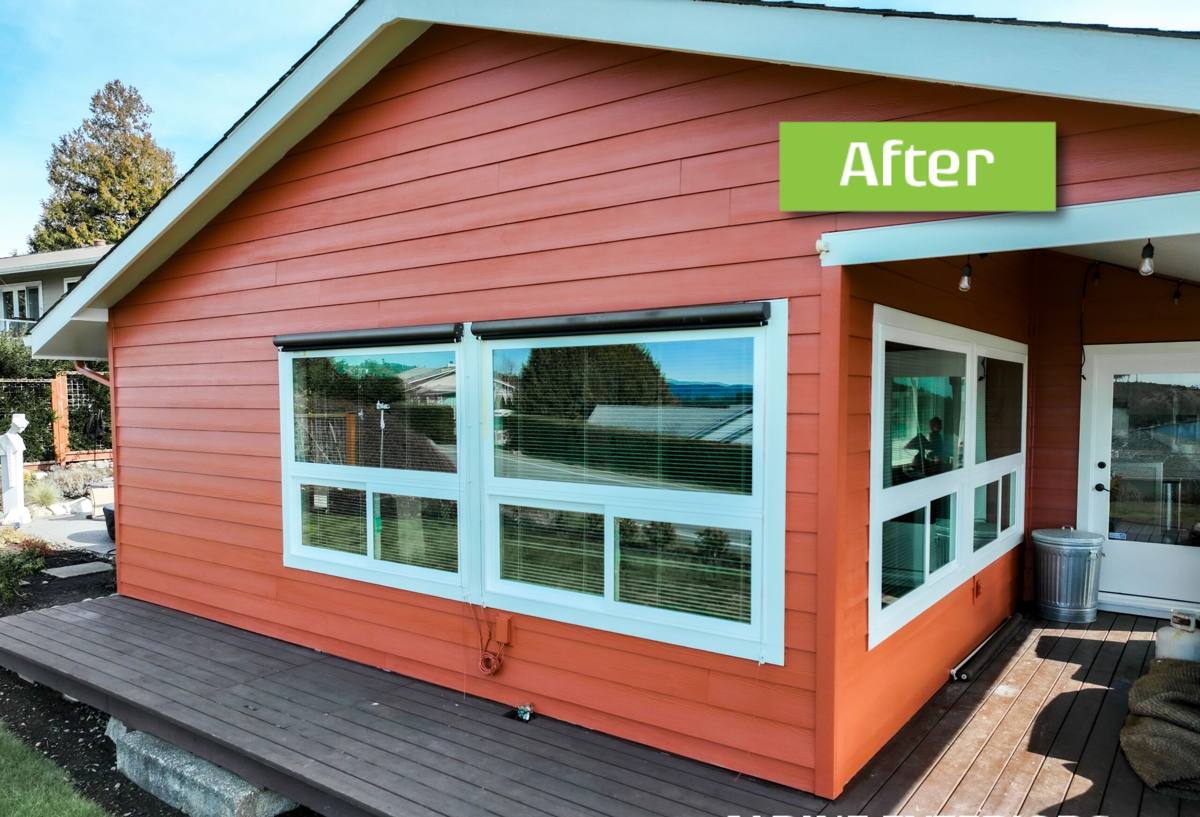
What "Custom" Actually Means for a Barkley Home
Custom doesn't necessarily mean expensive or unusual-looking. Most of the time it means a window built to an exact opening rather than forced into a stock size. That matters in Barkley because the area includes a mix of home ages and building styles — some newer construction from the area's planned development, and older homes nearby with openings that were never standard to begin with. When a rough opening is out of square, slightly undersized, or has been altered by a past remodel, a stock window either gets shimmed and gapped to fit (which creates weak points for water) or the opening gets reframed to match the window, which adds cost and disruption that a properly measured custom unit avoids.
Custom also covers:
- Matching a specific sightline or grille pattern so a replacement doesn't look out of place next to original windows
- Non-rectangular shapes — arches, angles, or specialty geometry on a gable or stairwell
- Egress-compliant sizing for bedroom windows that need to meet current code
- Glazing specified for the exposure — a west-facing wall that catches the worst of the storm-driven rain needs different detailing than a sheltered side yard
- Frame depth and flashing details that match the wall assembly instead of a generic retrofit approach
Replacement vs. New Construction Openings
There's an important distinction in how a custom window gets installed. A replacement (or "pocket") window fits into the existing frame and is a good option when the existing frame is still sound and properly flashed. A new-construction or full-frame installation removes everything down to the rough opening, which is the right call when there's evidence of water damage, rot, or a frame that was never flashed correctly in the first place. Guessing wrong on which approach a window needs is one of the most common ways a "window job" turns into a bigger repair a year or two later.
Signs a Barkley Home's Windows Are Losing the Fight
Because damage from moisture and salt air happens gradually, most homeowners notice symptoms long before they identify the cause. Common ones we see in this area:
- Condensation or fogging between panes — a sign the seal on an insulated glass unit has failed
- A window that's harder to open or close than it used to be, often from swelling wood or a warped vinyl frame
- Soft or discolored trim and sill material, especially on north- and west-facing exposures
- Moss, algae, or a persistent dark film on sills and lower frame sections
- A noticeable draft near the frame even when the window is latched
- Paint or finish that's bubbling or peeling faster on windows than on the surrounding siding
Any one of these is worth a look. Several at once usually means the window and the wall behind it need attention, not just the glass.
Frame Material Comparison for This Climate
Every frame material has real trade-offs. None of these are "bad" materials — the right choice depends on the specific window, its exposure, and how much upkeep the homeowner wants to take on.
| Frame Material | Moisture Resistance | Maintenance | Typical Lifespan | Notes for This Climate |
|---|---|---|---|---|
| Vinyl | Good | Low | 20–30+ years | Won't rot or corrode; a solid all-around choice for salt-air exposure |
| Fiberglass | Very good | Low | 30–40+ years | Dimensionally stable in temperature swings; handles driving rain well when properly flashed |
| Wood / wood-clad | Fair without upkeep | High | 20–30+ years with maintenance | Classic look but needs consistent finish maintenance; interior wood with a clad exterior reduces exposure risk |
| Aluminum | Fair | Moderate | 20–30 years | Prone to condensation and corrosion near salt air unless it's a thermally broken, marine-rated product |
For most Barkley homes, we lean toward vinyl or fiberglass for their combination of low maintenance and consistent moisture performance. Wood and wood-clad windows remain a good option where matching an existing architectural look matters, as long as the homeowner understands the finish maintenance that comes with it. We steer away from bare aluminum on exposed sides of a home in this climate — not because it's a poor product everywhere, but because our experience with the local salt air and rain load makes the maintenance burden and corrosion risk hard to justify when better options exist.
What a Correct Installation Actually Involves
The window unit itself is maybe half the job. The other half is how it ties into the wall assembly, and that's where most long-term failures actually start.
Flashing and Drainage
Every opening needs a flashing sequence that sheds water down and out, layered correctly with the house wrap or weather-resistive barrier so water is directed away from the framing rather than trapped behind the trim. This is the single most important detail on a driving-rain wall, and it's invisible once the trim goes back on — which is exactly why it has to be done right the first time.
Sealant, Not Just Caulk
Exterior sealant needs to be rated for the joint movement and UV exposure it'll see, applied at the right depth and width, with backer rod where the gap calls for it. A thin bead of the wrong caulk is a common shortcut that looks fine on installation day and fails within a season or two.
Insulation Without Overcompression
The gap between the window frame and the rough opening needs insulation that fills the space without bowing the frame, which can cause a window to bind or seal poorly. Low-expansion foam or backer rod and fiberglass, applied correctly, keeps the frame square and the seal intact.
Glazing Specified for the Exposure
In this climate, U-factor (how well the window resists heat loss) generally matters more than solar heat gain, since Bellingham doesn't get the intense summer sun that drives cooling-focused glazing choices in other regions. Low-E coatings and the right gas fill between panes make a real difference in comfort and condensation resistance through a long, wet winter.
Our Process, Start to Finish
- On-site assessment: We look at each opening, the condition of the existing frame and wall assembly, and the specific exposure (which direction takes the worst weather).
- Measurement and specification: Precise measurements go into a custom order — frame material, glazing package, and hardware specified to the opening and its exposure.
- Removal: Old windows come out carefully, and we check the rough opening and sheathing for hidden water damage before anything goes back in.
- Flashing and installation: The window is set, shimmed square, and integrated into the weather-resistive barrier with a proper flashing sequence — not just caulked into place.
- Insulation and sealing: The gap is insulated without overcompressing the frame, and exterior sealant is applied to the correct spec.
- Trim and finish: Interior and exterior trim is reinstalled or replaced to match the home.
- Walkthrough and cleanup: We test operation on every window, walk the homeowner through what was done, and clean up the site.
What Drives the Cost
Costs vary enough by project that we don't quote a number without seeing the home, but these are the factors that move a bid up or down:
| Factor | Why It Matters |
|---|---|
| Frame material | Fiberglass and premium wood-clad cost more upfront than standard vinyl |
| Glazing package | Triple-pane and specialty Low-E coatings add cost but improve comfort and condensation resistance |
| Replacement vs. full-frame | Full-frame installs cost more but are necessary when the existing frame has failed |
| Number and size of windows | Larger openings and whole-house projects have better per-window pricing than one-off replacements |
| Access and story height | Second-story or hard-to-reach windows take more labor and equipment |
| Custom shapes | Arches, angles, and non-standard geometry require custom manufacturing lead time and cost |
Why a Crew That Already Works Barkley Matters
A window installer who works regularly in this part of Whatcom County has already seen how homes in the area handle — or fail to handle — the local combination of salt air, wind-driven rain, and moss growth. That familiarity shows up in small but real ways: knowing which exposures in Barkley tend to take the worst weather, recognizing early signs of moisture damage before they turn into rot, and understanding the flashing and drainage details that actually hold up here rather than a generic approach pulled from a drier climate. It also means fewer surprises with permitting and code requirements specific to Bellingham and the county, and a crew that can move efficiently between nearby jobs instead of treating your project as an isolated one-off.
Keeping Custom Windows Performing Long-Term
Even a well-installed window needs a little attention to get its full lifespan out of this climate:
- Clear debris and moss from sills and weep holes at least twice a year, especially before the wet season ramps up
- Check exterior sealant annually for cracking or separation and have gaps re-sealed before they let water in
- Wipe down tracks and hardware to keep sashes moving freely and prevent grit from wearing seals
- Watch for condensation between panes — it means a seal has failed and the insulated glass unit needs replacing, not just the whole window
- After a heavy storm, glance at interior sills and trim for any sign of moisture that shouldn't be there
If you're weighing custom windows for a home in Barkley, we're glad to take a look, walk the exposures with you, and give you an honest read on what your windows actually need. Reach out for a free, no-pressure estimate using the form below.