 Bellingham Roofing
 Custom Windows Built for Sehome's Housing Stock
Sehome is one of Bellingham's older, more established neighborhoods, and that shows up the moment you start talking windows. A lot of homes here were built well before modern window flashing details were standard practice, which means the window opening itself — not just the window unit — often needs attention during a replacement. We've worked on enough houses in this part of town to know that "just swap the window" is rarely the whole job. The rough opening, the sill pan, the house wrap tie-in, and the trim all matter as much as the glass.
Because Sehome sits close enough to Bellingham Bay to catch salt-laden air, and because Whatcom County's wet season runs long, window components here take a different kind of abuse than they would further inland. Salt air accelerates corrosion on lesser hardware and fasteners. Driving rain off the water tests every seal and flashing detail. And a long moss season means anything with a horizontal ledge — including window sills and exterior trim — collects organic growth that holds moisture against wood and paint far longer than homeowners expect.
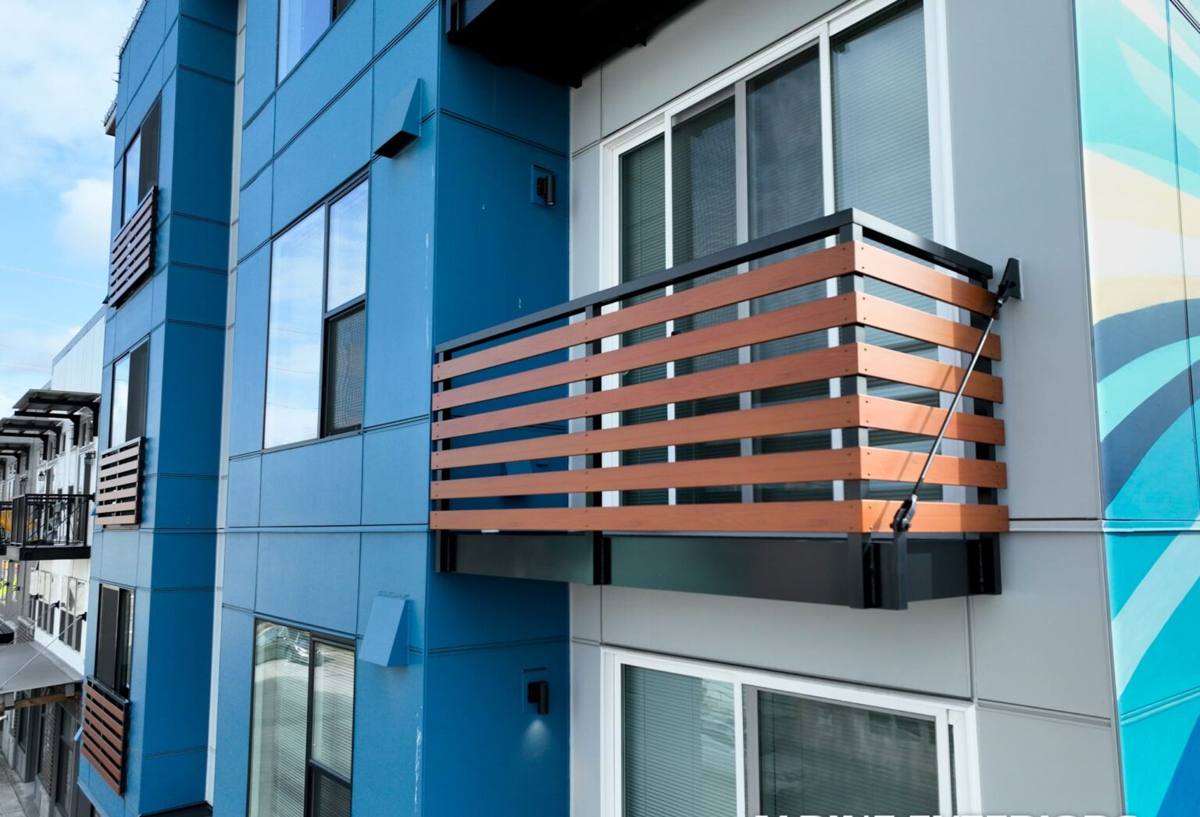
What Bellingham's Climate Does to Windows Over Time
Salt Air and Metal Components
Window hardware — hinges, locks, balance systems, and especially aluminum or lower-grade vinyl reinforcement — corrodes faster near the water. This isn't dramatic or sudden; it's a slow degradation that shows up as stiff operation, pitted metal, and eventually failed seals. Homes in Sehome that face open exposure toward the bay tend to show this wear a few years ahead of homes tucked further into the neighborhood's interior.
Driving Rain and Wind-Driven Moisture
Bellingham doesn't just get rain — it gets rain pushed sideways by wind coming off the water, which finds every gap a calm-weather install might get away with. A window that's flashed correctly sheds that water outward and down. A window that isn't will slowly let moisture behind the trim, where it does the most damage because nobody sees it happening.
Moss Season and Sill Wear
Whatcom County's moss season isn't a week or two — it's most of the year in shaded or north-facing spots. Moss and algae hold water against wood sills and painted trim, which is exactly the kind of prolonged dampness that rots wood and lifts paint. Window sills with any pitch problems or missing drip edges are the first place we see this on Sehome homes.
Signs a Sehome Home Needs Window Replacement, Not Just Repair
- Visible daylight or drafts around the sash even when the window is latched
- Soft or spongy wood at the sill or lower corners of the frame
- Persistent fogging or moisture between panes on double-glazed units (a failed seal)
- Paint that bubbles or peels specifically at the window trim, not the surrounding siding
- Windows that are difficult to open, close, or lock without extra force
- Noticeable temperature difference near the window compared to the rest of the room
- Visible gaps between the window frame and the siding or trim
Any one of these can sometimes be repaired. Several at once, or any sign of rot at the framing, usually means replacement is the honest answer rather than a patch that buys a year or two.
What a Correct Window Replacement Actually Involves
The window unit itself is often the least important variable in how long the job lasts. What matters more is what happens at the opening before the new window ever goes in.
- Removal and inspection. We pull the old window and check the rough opening for rot, soft framing, or prior water intrusion before anything new goes in. This is the step that gets skipped on rushed jobs, and it's the step that determines whether the new window lasts 20 years or 5.
- Sill pan and flashing. A sloped sill pan and properly layered flashing (integrated with the house wrap or building paper, shingle-style so water always moves outward and down) is what actually keeps wind-driven rain out. This detail matters more in Bellingham than in drier climates because the opportunities for water to test it are so much more frequent.
- Setting and shimming. The window has to be plumb, level, and square, shimmed at the manufacturer's specified points so it isn't relying on the frame to hold its shape under wind load.
- Insulation and air sealing. Low-expansion foam or backer rod around the perimeter, never packed so tight it bows the frame.
- Exterior trim and sealant. Sealant is a backup to good flashing, not a substitute for it. We use exterior-grade sealants rated for the temperature swings and UV exposure this region actually sees.
- Interior finish. Trim, casing, and paint or stain matched to the home so the new window doesn't look like a patch job.
Choosing the Right Window for a Salt Air, High-Rain Climate
| Factor | What to Look For in This Climate |
|---|---|
| Frame material | Vinyl or fiberglass with corrosion-resistant hardware; avoid unclad or bare aluminum near the water |
| Glazing | Dual-pane minimum, low-E coating for both heat retention and UV/glare control |
| Weatherstripping | Quality compression seals rated for repeated wet-dry cycling, not just cold climates |
| Sill design | Positive drainage path, no flat spots where standing water or moss debris can collect |
| Hardware finish | Corrosion-resistant coatings on locks, hinges, and balance systems |
| Warranty structure | Look at what's covered on seal failure and hardware specifically, not just glass breakage |
We don't push one brand as the only acceptable option. What we do insist on is matching the product to the exposure — a window that's fine on a sheltered inland lot may not hold up the same way on a more exposed Sehome property facing the bay, and we'll say so before you buy rather than after something fails.
Why We Don't Cut Corners on Flashing Details
Some installers treat flashing and sealant as interchangeable — caulk everything and call it weatherproof. We don't work that way, and it's not because caulk is bad; it's because caulk is a maintenance item, not a structural water barrier. It shrinks, it UV-degrades, and it eventually needs recaulking. A window that depends on sealant alone to stay dry is a window that will eventually leak the moment that sealant ages out and nobody's caught it yet.
Our standard is to build the water management into the flashing and sill pan first, so the window sheds water correctly even if the sealant is due for maintenance. That's a slower, more labor-intensive install. It's also the difference between a window that's still performing in fifteen years and one that's already showing interior staining in five.
Our Process, Start to Finish
- On-site assessment. We look at the actual openings, not just take measurements off a spec sheet — including checking for existing rot or past water damage.
- Honest scope and pricing. If we find framing damage during assessment, we tell you before the job starts, not as a surprise mid-installation.
- Scheduled installation. We work around Bellingham's weather patterns — wet-season jobs get scheduled and sequenced to minimize how long an opening sits without weather protection.
- Final walkthrough. We check operation, seals, and finish work with you before we consider the job done.
Why a Crew That Already Works in Sehome Matters
There's a real advantage to hiring a crew that's already familiar with a neighborhood's housing stock rather than one encountering it for the first time. In Sehome, that means knowing the general age range of the homes, the kinds of window openings and trim details common to the area, and how exposure to the bay versus more sheltered interior lots changes what a window needs to hold up. It also means we're a known, findable local business if a warranty question comes up years down the road — not a crew that worked the area once and moved on.
Being based in Bellingham and working throughout Whatcom County also means we understand how the wet season affects scheduling and installation sequencing in a way that matters for getting a weathertight result, not just a fast one.
Maintenance That Extends the Life of New Windows
A correctly installed window still benefits from basic upkeep, especially in this climate:
- Clear moss and debris from sills and tracks during the wet season so water isn't held against the frame
- Check exterior sealant lines annually for cracking or gaps and have them refreshed as needed
- Keep window tracks and weep holes clear so water can drain as designed
- Watch for stiff operation or new drafts, which are early signs worth addressing before they become bigger problems
None of this is difficult, but it's easy to forget until a problem shows up — and in a climate like this one, problems compound quietly behind trim and siding before they're visible from inside.
Get a Straight Answer for Your Sehome Home
If you're dealing with drafty, foggy, or hard-to-operate windows in Sehome, we're happy to come take a look and give you a straightforward assessment — no pressure, no inflated scope. Use the form below to request a free estimate, and we'll walk you through what your home actually needs.