 Bellingham Roofing
 Deck Replacement in Sehome: Built for a Wet, Salty Climate, Not Just a New Look
Sehome sits in central Bellingham, on rising ground near Sehome Hill, with mature tree cover and a mix of older homes alongside newer infill. A lot of the decks we see in this neighborhood were built years ago, often as a straightforward addition to an existing house rather than a purpose-built structure for this exact climate. That distinction matters more than most homeowners realize. Whatcom County's marine weather, salt-tinged air, rain that drives in sideways more often than it falls straight down, and a moss season that can stretch across most of the year on shaded ground, puts a different kind of load on an outdoor structure than a deck would face somewhere drier or more sheltered.
A deck replacement in Sehome isn't just about swapping out old boards for new ones. It's an opportunity to correct the framing, flashing, and drainage decisions that the original structure may never have gotten right in the first place, and to choose materials and hardware that are actually suited to this specific stretch of Bellingham rather than a generic national spec.
What Sehome's Climate Does to an Outdoor Deck
Salt Air and Fastener Corrosion
Sehome is close enough to the Salish Sea that salt-laden air moves through the neighborhood regularly, not just during storms. Salt accelerates corrosion on any exposed metal, fasteners, joist hangers, structural connectors, railing hardware, and that corrosion doesn't announce itself. A screw head or a hanger can look fine on the surface while it's losing strength underneath. Over years, that's how a deck that seems structurally sound develops a wobble, a soft spot, or a sudden failure at a connection point that was never inspected because it was hidden under the decking.
Driving Rain and Trapped Moisture
Rain in this part of Whatcom County rarely falls straight down. Wind pushes it sideways, which means it gets driven up under railings, into ledger connections at the house, and between deck boards rather than simply running off a flat surface. Where a deck ties into the house, at the ledger board, this is one of the most common places for water to work its way into the wall framing if the flashing wasn't detailed correctly the first time. It's also one of the least visible problems until it's advanced, since the ledger connection is usually hidden behind the decking and rim joist.
Moss, Shade, and a Long Growing Season
Sehome's tree cover and its rise toward Sehome Hill mean plenty of shaded, slow-to-dry surfaces, and a deck is essentially a horizontal surface built to collect exactly the kind of standing moisture that grows moss. Once moss and algae establish themselves on a deck surface, they hold moisture against the boards even longer, which speeds up rot in wood decking and creates a genuine slip hazard underfoot, especially on stairs. A deck built or replaced without accounting for airflow, board spacing, and drainage under the surface will start growing moss again within a season or two, no matter how thoroughly it was cleaned beforehand.
Signs Your Sehome Deck Needs Replacement, Not Just Repair
Not every deck problem means a full tear-off. But certain signs point to a structure that's past the point where patching makes sense:
- Soft, spongy, or spring-feeling boards, especially near the ledger or around post bases
- Visible rot or dark staining at the ledger board where the deck meets the house
- Rust streaking around fasteners or joist hangers
- Railings or posts that feel loose or move when pushed
- Moss or algae that returns quickly after cleaning, particularly on shaded sections
- Gaps, cupping, or splitting across multiple boards rather than one or two isolated spots
- A deck more than fifteen to twenty years old that has never had its framing inspected
If what you're seeing is limited to a handful of boards or a single loose railing section, a repair may genuinely be the right call. We'll tell you plainly which situation you're in rather than defaulting to the bigger job.
What a Correct Deck Replacement Actually Involves
The decking boards are the part everyone sees, but they're the last thing installed, not the most important decision. A deck replacement done right in this climate starts underneath:
Ledger Flashing and House Connection
The ledger board, where the deck attaches to the house, needs proper flashing that sheds water away from the wall assembly rather than letting it track behind the siding. This is the single most common failure point we find when we open up an old deck, and it's also the easiest thing to get right the first time if it's treated as a real flashing detail rather than just a lag-bolt connection.
Framing and Fasteners
Joists, beams, and posts need to be sized correctly for the actual span and load, not just matched to whatever was there before. In a climate with this much sustained moisture and salt exposure, fastener and hardware selection matters as much as the lumber itself, stainless steel or hot-dip galvanized hardware resists corrosion far longer than standard coated fasteners, and that difference shows up as years of added service life.
Footings and Post Bases
On sloped or shaded Sehome lots, footing depth and drainage around post bases need real attention. Water that pools or drains slowly around a footing keeps posts wet longer than they should be, which shortens the life of the connection even when the decking above looks fine.
Board Spacing and Airflow
Correct gapping between boards, and airflow underneath the deck structure, lets the whole assembly dry out between rain events instead of holding moisture indefinitely. This is one of the simplest details to get right and one of the most commonly skipped on older or budget-built decks.
Choosing Decking Material for Sehome's Climate
There's no single right answer for every homeowner, budget, appearance preference, and maintenance tolerance all factor in. What matters is understanding the real trade-offs before deciding, rather than picking based on price alone.
| Material | Upfront Cost | Maintenance | Behavior in This Climate |
|---|---|---|---|
| Pressure-treated lumber | Lowest | Regular sealing or staining needed | Affordable and workable, but more prone to moisture absorption, cupping, and moss growth without upkeep |
| Cedar | Moderate | Periodic sealing to maintain color and moisture resistance | Naturally attractive and moderately rot-resistant, but still needs maintenance discipline in a wet climate |
| Composite decking | Higher | Occasional washing, no staining or sealing | Resists moisture absorption and moss adhesion better than wood, though quality varies significantly between product lines |
| Structural framing (all types) | N/A | Depends on hardware | Corrosion-resistant fasteners and hangers matter more here than the decking material choice itself |
We'll walk through these trade-offs honestly during an estimate, including what each option actually costs to maintain over ten or fifteen years in this specific climate, not just what it costs to install.
Our Deck Replacement Process
- On-site assessment: We inspect the existing deck's framing, ledger connection, footings, and overall condition, not just the surface boards, before recommending replacement over repair.
- Honest scope and estimate: We explain what we found, what it means, and give a straightforward estimate based on your specific deck and lot, not a generic per-square-foot number.
- Permitting: Deck replacement work that involves structural changes typically requires a permit through the City of Bellingham or Whatcom County depending on your property's location; we handle that process as part of the job.
- Tear-off: We remove the old decking and inspect framing, ledger, and footings once they're exposed, since problems hidden under old boards often aren't visible until this stage.
- Framing and flashing: We rebuild or reinforce framing as needed, install correct ledger flashing, and use corrosion-resistant hardware throughout.
- Decking and railing installation: We install your chosen decking material with proper spacing for drainage and airflow, along with code-compliant railing.
- Final walkthrough: We inspect the finished deck with you, point out any maintenance recommendations specific to the material you chose, and answer questions before we consider the job done.
Deck Replacement Cost Factors in Sehome
| Factor | What It Affects | Why It Matters Here |
|---|---|---|
| Deck size and layout | Total material and labor | Multi-level or stair-heavy decks common on Sehome's sloped lots add framing complexity |
| Decking material choice | Material cost and long-term maintenance | Composite costs more upfront but resists this climate's moisture and moss better than untreated wood |
| Framing and footing condition | Whether structure is rebuilt or reinforced | Hidden ledger and post-base rot is common on older decks once old decking comes off |
| Hardware and fastener grade | Long-term corrosion resistance | Salt air exposure makes stainless or hot-dip galvanized hardware worth the added cost |
| Site access and lot terrain | Labor time and equipment needs | Sloped, tree-covered Sehome lots can add setup and staging time |
| Permitting requirements | Project timeline | Structural deck work typically requires permitting through the City of Bellingham |
Real numbers depend on your specific deck, lot, and material choice, which is why we walk the property before quoting rather than pricing off a flat rate.
Why a Local Crew That Already Works Sehome Matters
A crew that works across Bellingham regularly, including Sehome's sloped, shaded lots and older housing stock, has already seen how salt air, wind-driven rain, and a long moss season actually behave on real decks over a full year, not just how a material performs on a spec sheet. That experience shows up in practical decisions on the job: where extra flashing attention pays off at the ledger connection, how much footing depth actually makes sense on a sloped lot, and which hardware is worth the added cost given what salt air does to fasteners here over time. A contractor without regular experience in this specific climate is more likely to apply generic framing and material choices that don't quite hold up against what this part of Bellingham throws at an outdoor structure year after year.
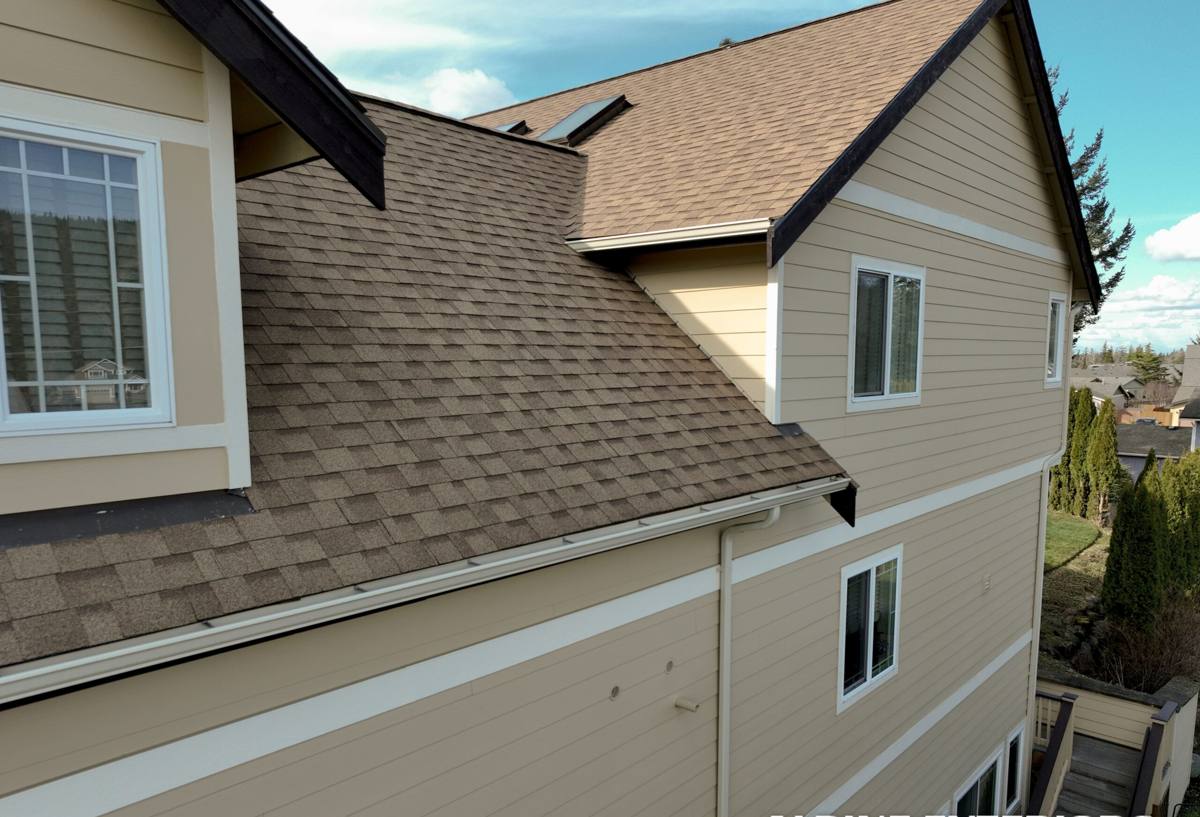
We also handle roofing on Sehome homes, and the same climate pressures, moisture, salt air, and moss, that wear down a deck are the ones we deal with on roofs every day. That overlap means we're not learning this climate for the first time when we look at your deck; it's the same set of conditions we already account for across every exterior project we take on in this neighborhood.
If your Sehome deck is showing its age, or you're not sure whether it needs a repair or a full replacement, we're glad to take a look and give you a straightforward, honest assessment. Reach out using the form below to schedule a free, no-pressure estimate.