 Bellingham Roofing
 Edgemoor's Siding Takes a Different Kind of Beating
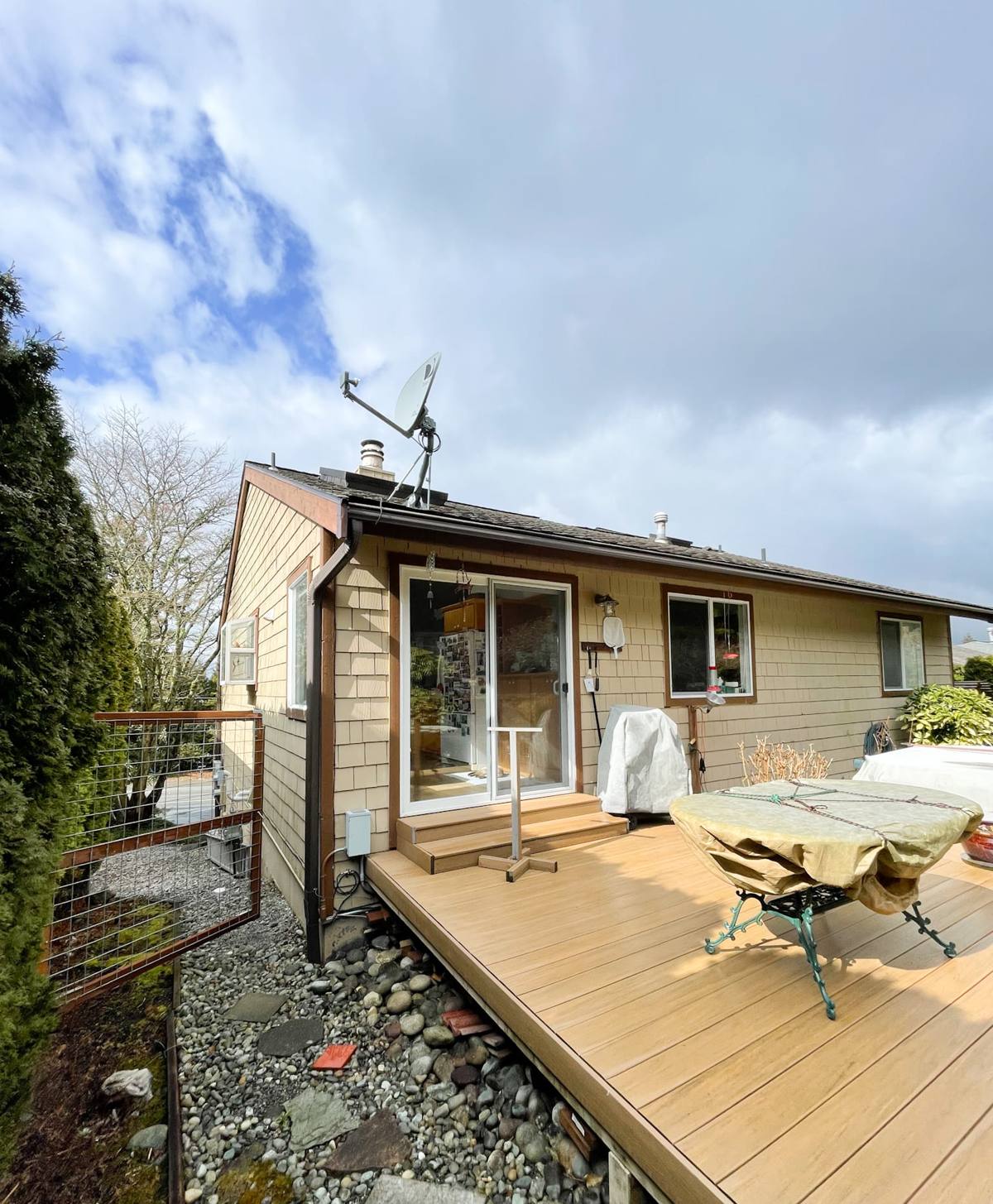
Edgemoor sits close to the water and under a heavy tree canopy, and that combination puts a specific kind of stress on exterior siding that homes further inland don't deal with in the same way. Salt-laden air off Bellingham Bay works on fasteners and finishes year-round. Mature trees shade large sections of these homes for much of the day, which means those walls stay damp long after a storm has passed. Add in Whatcom County's driving rain and a moss season that can stretch from fall through spring, and you have an exterior environment that punishes anything less than a properly engineered siding system.
This page focuses on one job in one neighborhood: replacing siding on an Edgemoor home the right way, with a product built to handle what this specific setting throws at it.
What Salt Air, Rain, and Moss Actually Do to Siding
It helps to understand the failure pattern before talking about the fix. On a lot of older Bellingham homes, the damage doesn't show up as one dramatic event — it's a slow accumulation of small problems that compound over years.
Salt Air and Corrosion
Coastal moisture carries salt, and salt accelerates corrosion on exposed metal — nail heads, flashing, trim fasteners. Once fasteners start to rust and back out, siding panels loosen, seams open up, and water finds a way behind the cladding. On homes with a direct line to the water, this happens faster than most homeowners expect.
Shade, Moisture, and Moss
Edgemoor's tree cover is part of what makes the neighborhood attractive, but it also means north- and east-facing walls can stay wet for days after a rain event. Prolonged dampness is exactly what moss, algae, and mildew need to establish themselves on a siding surface — and once organic growth takes hold, it holds moisture against the material even longer, creating a cycle that's hard to break with cleaning alone.
Driving Rain and Wind-Driven Water
Storms moving through the region don't always fall straight down. Wind-driven rain gets pushed sideways into laps, corners, and butt joints, testing every seam in the siding system. If the weather-resistive barrier underneath is compromised, or if flashing details were done poorly the first time, this is where water finds its way into the wall assembly.
Signs an Edgemoor Home Needs Siding Replacement, Not a Patch
Not every issue means a full replacement, but these are the signs we take seriously when we're evaluating a home in this neighborhood:
- Soft or spongy spots when you press on the siding, especially near the bottom courses or below windows
- Persistent moss or dark streaking that returns within a season of cleaning
- Visible gaps, cupping, or warping at panel seams and butt joints
- Peeling or bubbling paint that keeps recurring in the same spots year after year
- Rust staining running down from nail heads or trim fasteners
- Soft trim boards, especially around window and door casings
- A musty smell or visible staining on interior walls that back up to exterior siding
- Siding that's original to a home built more than 20-25 years ago, especially wood-based products
Any one of these on its own might be a repair. Several together, especially on a shaded or water-facing wall, usually means the underlying materials and moisture barrier need a full reset.
What a Correct Siding Replacement Involves
Replacing siding is not just swapping old boards for new ones. Done right, it's a full rebuild of the wall's moisture-management system, and skipping any step is where most premature failures start.
Tear-Off and Sheathing Inspection
Once the old siding is off, the sheathing underneath gets a real inspection — not a glance. This is where hidden rot from years of trapped moisture shows up, particularly around window openings and lower wall sections that have been shaded and damp for a long time. Any compromised sheathing gets replaced before anything new goes on.
Weather-Resistive Barrier and Flashing
A new weather-resistive barrier goes on correctly lapped, shingle-style, so water is directed out and down rather than trapped. Flashing at windows, doors, and any wall penetrations gets integrated with that barrier, not just caulked as an afterthought. This detail work is what actually keeps wind-driven rain out of the wall — the siding itself is the second line of defense, not the only one.
Correct Fastening and Clearances
Fastener spacing, type, and depth follow the manufacturer's specifications, not shortcuts. Ground clearance and gaps at grade, decks, and roof lines are set to keep splashback and standing moisture away from the bottom of the wall — a detail that matters even more on shaded, slow-drying lots like many in Edgemoor.
Finish Work
Trim, caulking at the right joints only (not everywhere), and touch-up painting finish the job. Factory-finished siding reduces how much field caulking and painting is needed in the first place, which is one of the reasons product choice matters as much as installation technique.
Why We Install Only James Hardie Fiber Cement
We don't install vinyl, LP SmartSide, or primed wood siding, and Edgemoor's climate is a good illustration of why. Vinyl softens, warps, and becomes brittle with the temperature swings and UV exposure of long-term coastal sun, and its seams give wind-driven rain an easy path in over time. Wood-based and engineered wood products depend on paint and caulking staying intact to keep moisture out — and in a neighborhood where shaded walls stay damp for extended stretches, that maintenance margin shrinks fast.
James Hardie fiber cement is built differently. It's non-combustible, it doesn't rot, and it holds up to moisture cycling without swelling or delaminating the way wood-based products can. The ColorPlus factory finish is baked on under controlled conditions, giving it better fade and wear resistance than field-applied paint, which cuts down on the repainting cycle that shaded, moss-prone walls otherwise demand. Hardie's HZ5 product line is engineered specifically for wetter, colder climates like ours in Whatcom County, and it carries a strong transferable warranty when installed to spec — which matters on a resale-conscious neighborhood like Edgemoor.
None of that replaces good installation. Hardie siding installed with poor flashing or the wrong fastener spacing can still fail. But starting with a material engineered for this climate, then installing it correctly, is how you get decades out of a siding job instead of a decade.
Choosing a Hardie Siding Profile for an Edgemoor Home
James Hardie makes several siding profiles, and the right one depends on the home's style and how exposed the walls are.
| Profile | Best Fit | Consideration for Edgemoor |
|---|---|---|
| HardiePlank lap siding | Traditional and craftsman-style homes | Most common choice; wide exposure options to match existing sightlines |
| HardieShingle | Homes with shingle-style accents or gables | Good for matching the coastal/craftsman look common in the neighborhood |
| HardiePanel vertical siding | Modern accents or board-and-batten sections | Works well as an accent on entries or gable ends |
| HardieTrim boards | Window, door, and corner trim | Pairs with any profile; resists the moisture issues that rot wood trim |
On shaded or water-facing walls, we'll sometimes recommend a slightly different exposure or a more moisture-tolerant color to reduce how visible moss regrowth is between routine cleanings.
Our Process for an Edgemoor Siding Project
- On-site walkthrough to assess current siding condition, sheathing risk areas, and sun/shade exposure on each wall
- Written estimate covering material, profile and color selection, and any repair work anticipated at tear-off
- Tear-off and sheathing inspection, with any rot or damage addressed before new material goes up
- Weather-resistive barrier and flashing installed and integrated at every window, door, and penetration
- James Hardie siding installed to manufacturer fastening and clearance specifications
- Trim, caulking, and final finish work
- Final walkthrough so you can see the completed work and ask questions before we call the job done
Why Hiring a Crew That Already Works in Edgemoor Matters
Edgemoor has its own mix of lot conditions — sloped and hillside sites, mature landscaping close to the house, and older homes where original siding and trim details vary widely. A crew that's worked in the neighborhood knows to check drainage patterns on hillside lots before closing up a wall, knows how tree cover affects which walls need extra attention to ventilation and drying time, and knows how to protect established landscaping during tear-off and disposal instead of treating every yard the same way. That local familiarity shows up in fewer surprises mid-project and a cleaner site when the job wraps up.
It also matters for accountability. A contractor based in Bellingham and working in Whatcom County regularly is easier to reach if a question comes up two or five years down the road, and stands behind workmanship in a way that's harder to guarantee from a crew passing through on a one-off job.
Ready to Talk About Your Edgemoor Home?
If you're seeing moss that won't quit, soft spots, or siding that's simply reached the end of its service life, we're happy to take a look and give you an honest read on what's going on. Reach out for a free, no-pressure estimate — fill out the form below and we'll get back to you to schedule a time to come by.