 Bellingham Roofing
 Windows Built for Edgemoor's Coastal Exposure
Edgemoor sits close enough to Bellingham Bay that its homes take a different kind of weathering than houses further inland. Salt-laden air corrodes hardware and finishes faster, wind-driven rain off the water pushes moisture into places a calmer climate wouldn't reach, and the tree cover that makes the neighborhood so pleasant also means a long moss and algae season on anything that stays damp. Windows are one of the first places all three of those show up — pitted hardware, black streaking on sills, soft trim, and seals that give out years before they should.
None of that means Edgemoor homes need exotic products. It means the installation has to be done correctly for this specific exposure, with materials and flashing details that account for salt, wind, and moisture rather than a generic install that would be fine in a drier part of Whatcom County.
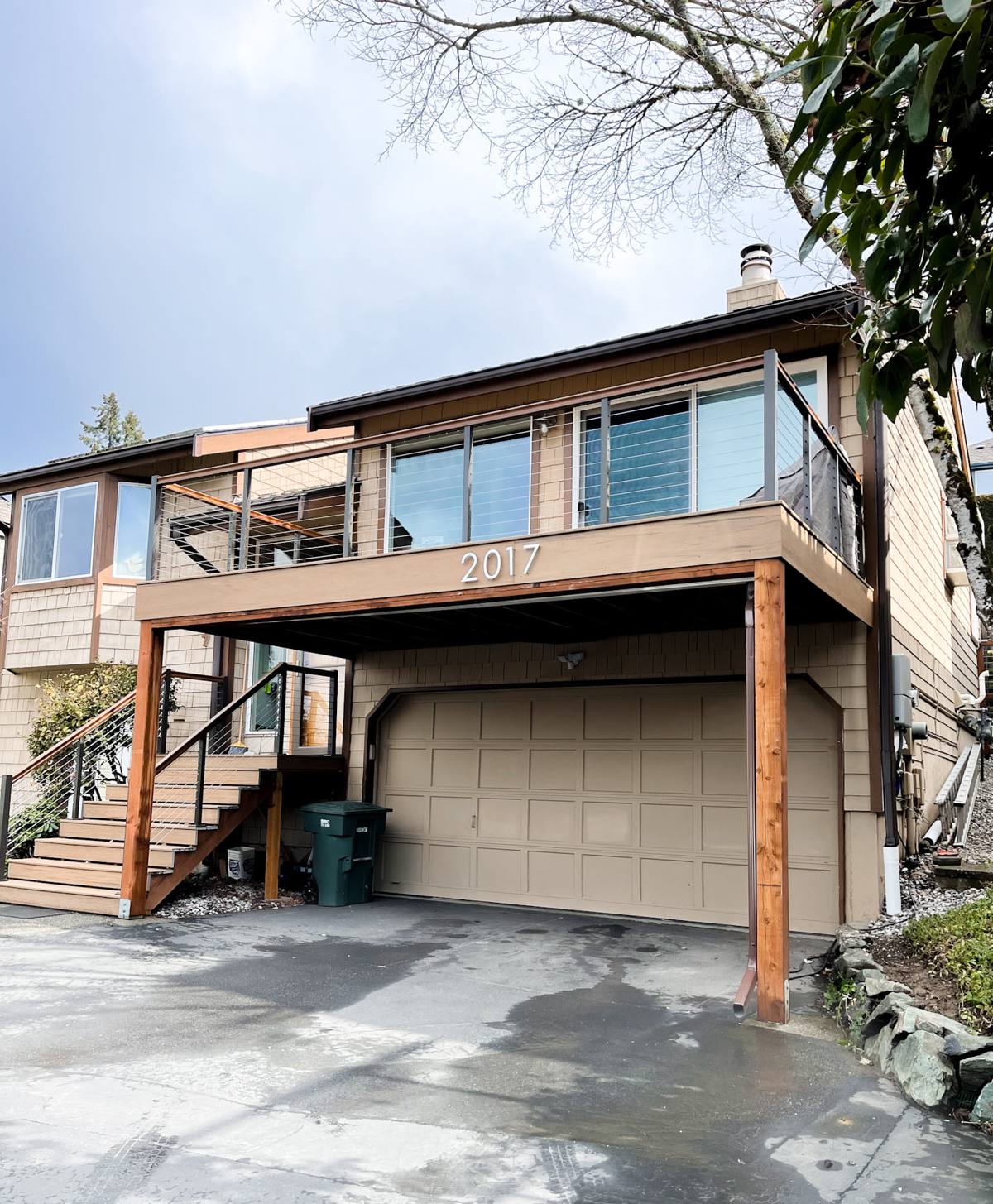
What This Climate Actually Does to Windows
Salt Air and Metal Components
Proximity to the bay means airborne salt settles on window frames, screens, and hardware year-round. Over time it accelerates corrosion on lower-grade fasteners, hinges, and cranks, and it can dull or pit finishes that would hold up fine a few miles inland. This is a material and hardware selection issue as much as an installation issue — we account for it when we spec what goes into an Edgemoor home.
Driving Rain and Wind-Driven Moisture
Storms coming off the water often carry rain sideways, not straight down. That kind of wind-driven rain will find any gap in flashing or sealant that a calmer rainfall would never test. A window that's watertight in a still downpour can still leak in a wind event if the flashing details weren't done right. This is the single biggest driver of failed installations we see in exposed Bellingham neighborhoods.
Moss, Algae, and Shade
Edgemoor's tree cover keeps a lot of siding and trim in shade for large parts of the day, which means surfaces stay damp longer after rain. That damp, shaded environment is exactly what moss and algae need to take hold on sills, trim, and low-slope surfaces near windows. Left alone, sustained moisture against wood trim eventually leads to soft spots and rot — a maintenance issue that starts as a cosmetic one.
What a Correct Installation Involves Here
A proper window installation in this environment isn't just setting a unit in a rough opening and running a bead of caulk around it. The details that actually determine whether a window performs for the next 20 years happen before the window is even set.
- Removing the old window and inspecting the rough opening framing for hidden rot or water damage before anything new goes in
- Installing a properly lapped weather-resistive barrier and sill pan flashing so any water that does get past the window sheds outward, not into the wall
- Using corrosion-resistant fasteners and hardware appropriate for a near-coastal environment
- Setting the window level, plumb, and square, then shimming and fastening per the manufacturer's installation instructions — not a generic approach
- Sealing with the correct sequence of flashing tape and sealant, in the right order, so water is directed out rather than trapped behind trim
- Insulating the gap between the frame and rough opening properly, without over-packing it in a way that bows the frame
- Reinstalling or replacing exterior trim with attention to drainage, not just appearance
Skip or rush any one of those steps and the window itself can be a perfectly good product while the installation still fails. Most of the leaks and rot we get called out to diagnose in older Bellingham homes trace back to flashing and sequencing mistakes, not the window unit.
Our Process for Edgemoor Homes
1. On-Site Assessment
We look at each opening individually — sun exposure, wind exposure, existing trim condition, and any signs of past moisture intrusion. Edgemoor lots vary in how directly they face the bay and how much tree cover shades them, and that affects the recommendation.
2. Honest Scope and Materials Discussion
We walk through what your openings need: whether existing flashing can be reused or needs to be replaced, what condition the framing is in once we open things up, and which materials make sense for the exposure. If we find rot or damage once trim comes off, we tell you before proceeding, not after.
3. Removal and Opening Prep
Old windows come out carefully to protect interior and exterior finishes. Any damaged sheathing or framing gets addressed before a new window goes in — installing a new window over a compromised opening just hides the problem temporarily.
4. Flashing and Installation
This is where the coastal-specific details matter most: correct sill pan flashing, proper lap sequence with the weather-resistive barrier, and sealant placement that manages water rather than just blocking it in one spot.
5. Trim, Cleanup, and Walkthrough
Exterior trim is finished with attention to drainage and appearance, interior areas are cleaned up, and we walk the job with you so you know what was done and what to watch for.
Choosing Materials for This Exposure
There's no single "best" window brand for a near-coastal Bellingham home — the right choice depends on budget, the home's existing style, and how much upkeep an owner wants to take on. What matters more than the label is frame material behavior in salt air and moisture, and how well the specific product supports proper flashing.
| Frame Material | Coastal Behavior | Maintenance |
|---|---|---|
| Vinyl | Resists corrosion well; performance varies by manufacturer quality | Low — occasional cleaning |
| Fiberglass | Very stable dimensionally, holds up well to moisture and salt exposure | Low |
| Wood (clad exterior) | Good performance if cladding and flashing are done right; exposed wood needs protection from driving rain | Moderate to higher |
| Aluminum | Can be prone to corrosion and condensation in salt air without proper coatings | Moderate |
We'll talk through the trade-offs for your home specifically rather than pushing one product line — the honest answer is usually "several options work well here if installed correctly."
Cost Factors Homeowners Should Know
Window installation pricing varies widely based on a handful of factors, and it's worth understanding them before you get quotes so you can compare apples to apples.
| Factor | Why It Matters |
|---|---|
| Number and size of openings | More straightforward math — more windows, more labor and material |
| Framing condition once opened up | Hidden rot or damage adds repair scope you can't quote sight-unseen |
| Frame material and glass package | Fiberglass and higher-performance glass typically cost more than base vinyl |
| Trim and siding tie-in | Matching existing trim profiles or siding can add labor |
| Access and site conditions | Second-story or hard-to-reach openings take longer |
Generally, homeowners in our area should expect a broad range from roughly $600 to $1,500+ per window installed, depending on the factors above — with full-frame replacements and larger or custom sizes running higher. We'll give you a firm number after we've actually looked at your openings, not a phone estimate.
Why a Crew That Already Works Edgemoor Matters
A contractor who works this neighborhood regularly already knows how exposed a given street is to wind off the bay, how much tree cover to expect, and what kinds of trim and siding are common on the older homes here. That familiarity shortens the assessment process and means fewer surprises once trim comes off. It also means we're not guessing about which flashing approach holds up here — we've seen what does and doesn't over repeated jobs in this exact area.
Bellingham as a whole, and Whatcom County more broadly, deals with a wet, marine-influenced climate for most of the year. Edgemoor's specific position near the water just concentrates that exposure. Hiring locally isn't about hometown loyalty for its own sake — it's about hiring someone who has already solved the problems your specific microclimate creates.
Signs Your Edgemoor Home May Need New Windows
- Visible gaps, drafts, or condensation between panes
- Soft or discolored trim or sill wood around the window
- Difficulty opening, closing, or locking the window
- Moss or algae buildup that keeps returning on sills or nearby trim
- Corrosion or pitting on hardware, cranks, or screen frames
- Noticeably higher heating bills with no other explanation
- Peeling paint or bubbling finish near window edges
Any one of these on its own might just be a maintenance item. Several together, especially on a home's water-facing or shaded side, usually mean it's worth having someone take a closer look.
If you're weighing window replacement for a home in Edgemoor, we're happy to take a look and give you a straightforward, no-pressure estimate — just fill out the form below.