 Bellingham Roofing
 Deck Repair Built for Fairhaven's Conditions
Fairhaven sits close enough to Bellingham Bay that salt-laden air, wind-driven rain, and heavy tree cover all work on a deck at the same time. That combination is harder on wood and fasteners than most homeowners realize until they start noticing soft boards, rust streaks, or a railing that flexes more than it used to. A deck repair here isn't just about swapping a few boards — it's about understanding which parts of the structure take the worst of Whatcom County's wet season and fixing those the right way, not just the parts that are easy to see.
We work on decks throughout Fairhaven and the surrounding Bellingham area regularly, so we've got a good sense of how homes in this specific neighborhood age. Older lots with mature trees hold moisture and moss longer than open, sunnier yards. Homes closer to the waterfront deal with more airborne salt, which accelerates corrosion on fasteners and metal connectors. Knowing which issue you're dealing with changes how we approach the repair.
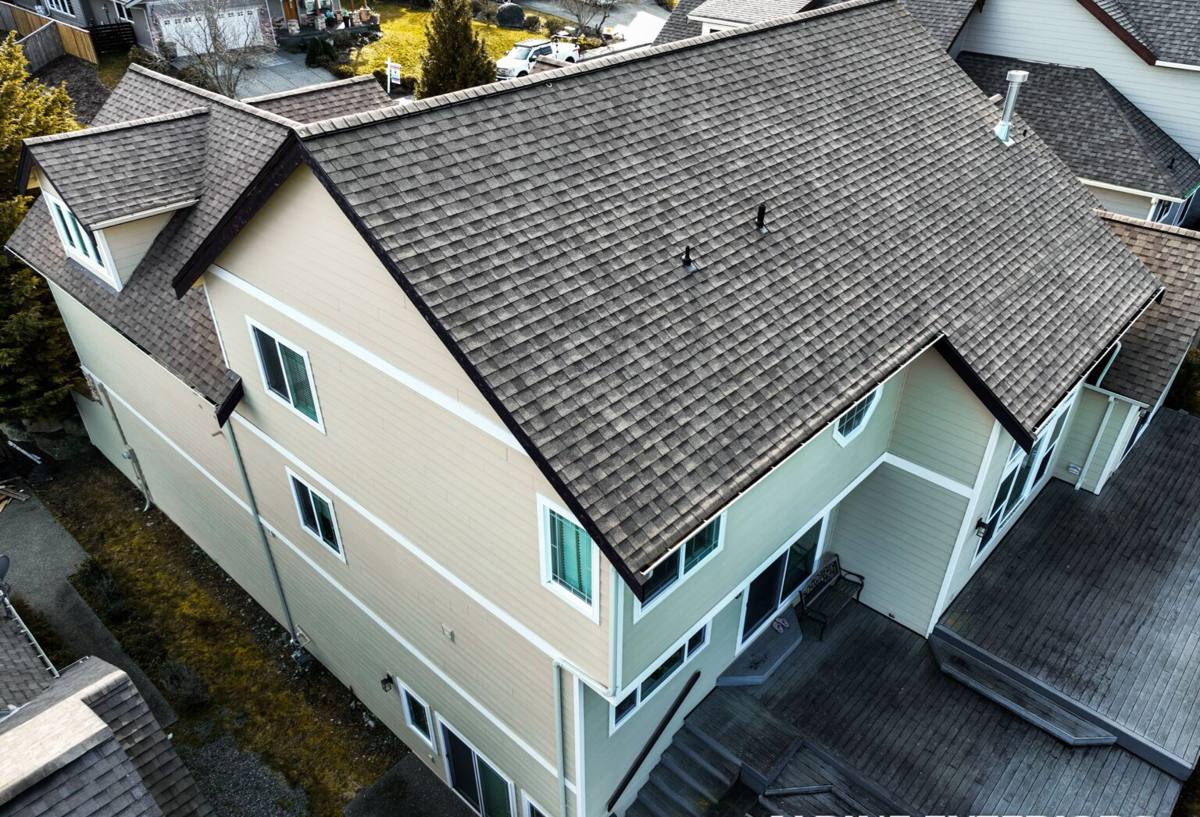
Why Decks in This Area Fail Faster Than People Expect
Salt Air and Metal Fatigue
Galvanized and even some coated fasteners break down faster near the water. Once a nail or screw starts to rust, it swells slightly and creates a path for moisture to enter the wood around it — which is often where rot starts, well before the surface of the board looks bad.
Driving Rain and Water Intrusion
Bellingham's rain doesn't always fall straight down. Wind-driven rain gets pushed sideways under railings, into ledger board connections, and along the edges of decking where water doesn't drain quickly. Over time, that's where you find soft framing, even on decks that looked fine from a few feet away.
Moss and Extended Shade Season
A long, wet moss season means many Fairhaven decks — especially those shaded by mature trees — stay damp for months at a stretch. Moss and algae hold moisture against the wood surface, and that constant dampness is what turns a cosmetic problem into a structural one if it's left alone.
Signs Your Deck Needs Attention
- Boards that feel spongy, springy, or noticeably different underfoot in one area
- Rust streaks running down from screws, nails, or metal connectors
- Persistent moss or green/black staining that comes back shortly after cleaning
- Railings or posts that wobble, even slightly, when you lean on them
- Gaps opening up where the deck meets the house, or at stair stringers
- Visible daylight or water staining underneath the deck at the ledger board
- Fasteners that are backing out or have visibly corroded heads
Any one of these on its own might just need a straightforward fix. Several at once, especially near the ledger board or support posts, usually means it's worth having someone look at the whole structure rather than patching the symptom.
What a Correct Repair Actually Involves
A repair that only replaces the boards you can see is a repair that's likely to fail again in the same spot. Doing it right means checking what's underneath and behind the visible surface, since that's usually where the real damage started.
Structural Inspection First
Before any boards come off, we check the ledger board connection to the house, the condition of the joists and support posts, and how water has been draining (or not draining) around the frame. This tells us whether we're dealing with a surface-level fix or something that's affecting the deck's structural integrity.
Fastener and Hardware Replacement
Given how hard local conditions are on metal, we don't reuse corroded fasteners or connectors just to save a step. Matching the right hardware to the wood or composite being used, and to the exposure the deck actually gets, matters more here than in drier inland areas.
Flashing and Water Management
Ledger board flashing is one of the most common failure points we find, and it's also one of the most overlooked in a quick patch job. Properly installed flashing directs water away from the house connection instead of letting it sit and soak in — which is exactly the kind of slow, hidden damage that Bellingham's wet climate is good at causing.
Matching Materials Correctly
Whether we're repairing with wood or composite decking, we match board type, thickness, and fastening method to what's already there, or recommend a change if the original material or installation was part of what caused the problem in the first place.
How Our Process Works
- Inspection: We walk the full deck and look underneath it, checking framing, ledger connection, posts, and drainage — not just the walking surface.
- Honest assessment: We tell you plainly whether you're looking at a repair, a partial rebuild, or a full replacement, and why.
- Written estimate: You get a clear scope of work and price before anything starts, with the reasoning behind it.
- Repair work: We replace what's failed, correct the water management issues that caused it, and use hardware suited to the coastal exposure here.
- Final check: We walk the deck with you afterward so you know what was done and what to watch for going forward.
Repair vs. Replacement: How We Decide
| Condition Found | Usually Means | Typical Approach |
|---|---|---|
| A few soft or stained boards, frame is solid | Localized water damage | Targeted board and fastener repair |
| Rot at the ledger board or multiple joists affected | Long-term water intrusion | Partial rebuild of the affected framing section |
| Posts or footings showing movement or decay | Structural support failure | Structural rebuild, often beyond simple repair |
| Widespread moss staining but frame is sound | Surface moisture exposure | Cleaning, board replacement where needed, drainage improvements |
| Deck is 20+ years old with recurring issues | Cumulative wear across the structure | Full replacement usually makes more financial sense than repeated repairs |
As a rough guide, homeowners in this area are often looking at a few hundred dollars for a small, contained repair, up into the low thousands for a partial rebuild involving framing or ledger work. A full deck replacement is its own separate conversation and estimate. We'll tell you honestly which category your situation falls into before we recommend a path.
Wood vs. Composite: What We Consider for This Climate
Both materials can perform well in Fairhaven's conditions if they're installed and maintained correctly — the trade-offs are more about maintenance habits and long-term expectations than one being universally better.
Wood decking is often more affordable up front and easier to spot-repair board by board, but it needs regular cleaning, sealing, and moss control to hold up through the wet season here. Composite decking generally resists moisture and moss buildup better and needs less upkeep, but it comes at a higher upfront cost and, depending on the product, individual board repairs can be more involved than with wood. Our standard is to match the material and installation method to how much upkeep a homeowner actually wants to commit to, not to push one product over another by default.
Maintenance That Extends the Life of a Fairhaven Deck
- Clear leaves, needles, and debris from between boards regularly, especially under trees
- Clean moss and algae off the surface each fall before the wettest months set in
- Check and reseal wood decking on a regular schedule rather than waiting for visible wear
- Inspect fasteners and metal connectors periodically for early rust, especially closer to the waterfront
- Make sure gutters and downspouts near the deck are directing water away, not onto it
- Keep an eye on the ledger board area after heavy rain for staining or soft spots
Why It Matters to Hire a Crew That Already Works Here
A repair crew that mostly works drier inland jobs may not think twice about flashing details or fastener grade — because in their normal conditions, it doesn't matter as much. In Fairhaven, those details are the difference between a repair that lasts and one you're calling someone back for in two years. Working regularly in this part of Bellingham and Whatcom County means we're used to diagnosing water damage patterns specific to homes near the bay and under heavy tree cover, and we build the fix around that, not a generic repair checklist.
If you've got a deck in Fairhaven that's showing any of the signs above, we're happy to come take an honest look. Estimates are free, there's no pressure, and you'll get a clear picture of what's actually going on before you decide anything — just fill out the form below to get started.