 Bellingham Roofing
 Building New in Silver Beach? The Windows Are Where Most Long-Term Problems Start
Silver Beach is one of Bellingham's established residential neighborhoods, and new construction and major additions still happen here regularly — infill lots, teardown rebuilds, and larger remodels that amount to a from-scratch window install. When a house is framed and open, the window openings are a one-time opportunity. Get the flashing, the sill detail, and the air seal right before siding goes on, and the windows will perform for decades. Get it wrong, and the mistake gets buried behind finish materials until it shows up as a stain on drywall or a soft spot in the wall sheathing years later.
New-construction windows are a different job than swapping out an old unit in an existing wall. There's no old flashing to work around and no compromises forced by an existing rough opening — which means there's also no excuse for cutting corners. This page covers what that job actually requires in Silver Beach specifically, given what Whatcom County weather does to a house over time.
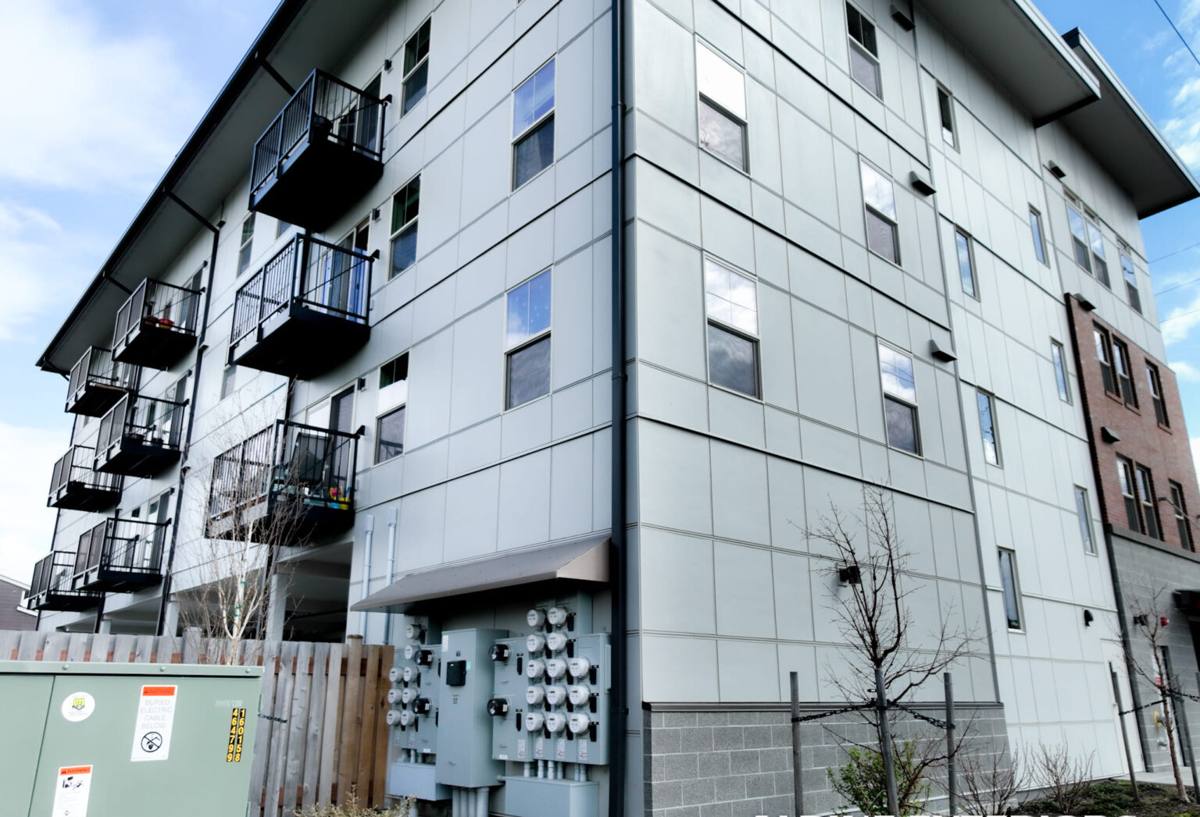
What Silver Beach's Climate Asks of New-Construction Windows
Bellingham sits close enough to Bellingham Bay and Lake Whatcom that homes throughout the area, Silver Beach included, deal with a mix of marine air, heavy rain, and long stretches of shaded, damp conditions. None of that is exotic weather, but it's persistent, and persistent is what wears down a poorly installed window.
Salt Air and Corrosion
Airborne salt and moisture accelerate corrosion on hardware, fasteners, and lesser window components over time. It's not usually dramatic — it shows up slowly as pitted hinges, stiff locks, or streaking on metal cladding. Choosing corrosion-resistant hardware and fasteners at install time costs little extra and avoids replacing hardware in ten years.
Driving Rain and Wind-Driven Water
Whatcom County storms don't just drop rain straight down — wind pushes it sideways and up under trim and flanges. A window that relies on caulk alone to keep water out will eventually fail, because caulk is a maintenance item, not a water management system. Correct flashing sheds water down and out before it ever reaches the caulk line.
Moss Season and Shade
Many Silver Beach lots have mature trees and shaded exposures, which means longer periods of standing dampness on siding, trim, and window sills. Moss and algae growth on sills and exterior trim holds moisture against the window frame and finish. Detailing sills to shed water quickly, and choosing trim materials that don't stay wet, cuts down on this a lot.
What Correct New-Construction Window Installation Involves
A new-construction window install is really a sequence of water-management steps, done in order, before the window ever goes in the wall. Skipping or reordering any of these is how leaks get built into a house.
Flashing and Water Management
Flashing tape and self-adhered membrane go around the rough opening before the window is set, lapped so that every layer sheds water downward and outward — never trapping it behind the window. Corners get extra attention since that's where most flashing failures start.
Sill Pans and Sloped Sills
A sill pan creates a shallow, sloped tray at the bottom of the rough opening so any water that gets past the window drains back outside instead of sitting on the sill or draining into the wall cavity. This is one of the most-skipped steps on lower-quality jobs because it takes extra time, and it's one of the most important for a house that's going to face decades of Whatcom County rain.
Integration with House Wrap and Siding
The window flashing has to tie into the house wrap correctly — wrap laps over the top flashing and tucks behind the side flashing, maintaining a continuous drainage plane down the wall. Whoever installs the windows and whoever installs the house wrap need to coordinate this detail; it's a common point where responsibility falls through the cracks on a job site.
Air Sealing and Insulation
Once the window is set, plumb, level, and square, the gap between the frame and the rough opening gets sealed with low-expansion foam or backer rod and sealant — enough to stop air movement and control condensation risk, without over-filling and bowing the frame.
New-Construction vs. Retrofit Windows: Why the Method Matters
Homeowners sometimes assume "new-construction window" just means a newer-looking window. It actually refers to the installation method and the window's flange design, and it changes what's possible during a build.
| Factor | New-Construction Method | Retrofit / Replacement Method |
|---|---|---|
| When it's used | Open wall, no existing window in place | Existing window and trim stay in place |
| Flashing access | Full access to rough opening and sheathing | Limited — works around existing frame |
| Water management | Complete sill pan and flashing system possible | Depends on what's already built into the wall |
| Exterior trim | Built fresh to match new siding | Often reuses or matches existing trim |
| Best fit for Silver Beach builds | New construction, additions, full rebuilds | Existing homes not undergoing wall work |
For a Silver Beach project where the wall is open, there's no reason to accept anything less than the full flashing and sill pan system described above — it's the whole advantage of building new.
Choosing Frame Material and Glass for This Microclimate
Frame material and glass package matter more here than in a dry inland climate, because the frame is exposed to sustained damp air and repeated wet-dry cycles for most of the year.
| Frame Material | How It Handles Local Conditions | Trade-offs |
|---|---|---|
| Vinyl | Won't rot or corrode; consistent performance in damp climates | Limited color/finish options; expansion with temperature swings |
| Fiberglass | Dimensionally stable, holds paint well, strong moisture resistance | Higher upfront cost than vinyl |
| Wood-clad | Warm interior look with a protective exterior cladding | Cladding seams and joints need correct detailing to keep water out long-term |
| Aluminum | Strong and slim sightlines | Conducts heat/cold; needs a thermal break for this climate |
Whatever frame material fits the project, glass matters just as much. A quality low-E, argon-filled dual-pane unit (or triple-pane for exposed or noise-sensitive locations) cuts condensation risk on the interior glass surface — a common complaint in cooler, damp climates — and helps with energy bills through Whatcom County's long heating season.
Our Process for New-Construction Window Installs
- Plan review: we review window schedules and rough opening sizes against the framing before anything ships, catching sizing conflicts early.
- Opening prep: rough openings get checked for square, level, and correct dimensions before flashing starts.
- Sill pan and flashing: sloped sill pans and lapped flashing tape go in first, tied into the house wrap as it's installed.
- Window set: units are set plumb, level, square, and fastened per manufacturer spec — not just "close enough" and shimmed to look right.
- Air seal: perimeter gaps are sealed for air control without over-foaming the frame.
- Exterior trim and final seal: trim, cladding, and sealant beads go on last, once siding crews are ready to tie in.
- Walkthrough: operation, hardware function, and finish are checked before we call it done.
A Checklist Before Windows Go In
Whether you're the homeowner, a builder, or acting as your own general contractor on a Silver Beach project, these are worth confirming before the window crew shows up:
- Rough openings are framed to the exact sizes on the window schedule, not "close enough"
- A sill pan detail is included in the install plan, not just caulk and flashing tape
- House wrap sequencing is coordinated with the window installer, not left to whoever gets there first
- Frame material and glass package are matched to the home's sun exposure and shade level
- Hardware and fasteners are rated for coastal/marine-influenced exposure
- Manufacturer installation instructions are on hand and followed — this protects the window warranty
- A walkthrough is scheduled before siding closes in the opening for good
Why a Crew That Already Works Silver Beach Matters
A lot of window problems in this area aren't caused by bad windows — they're caused by installation details that make sense in a drier climate but fail here. A crew that regularly works Silver Beach and the surrounding Bellingham neighborhoods already knows to slope every sill, lap every flashing layer with the local rain pattern in mind, and choose hardware that won't seize up after a few damp winters. That's not a special add-on service; it's just what correct installation looks like once you've seen what Whatcom County weather does to the jobs that skipped a step.
We also know how to work alongside general contractors and other trades on an active build site — coordinating with framers, house wrap crews, and siding installers so nobody's work undoes somebody else's. On a new-construction job, that coordination is as important as the window itself.
Get a Straight Answer for Your Silver Beach Project
If you're framing a new home or addition in Silver Beach and need windows installed correctly the first time, we're glad to walk the plans, talk through frame and glass options for your lot's exposure, and give you a straightforward, no-pressure estimate using the form below.