 Bellingham Roofing
 Roof Replacement Built for Sehome's Climate
Sehome sits close enough to Bellingham Bay that homes here deal with a mix most inland neighborhoods don't: salt-laden air moving up from the water, long stretches of driving rain off and on for most of the year, and a moss season that seems to start earlier and last longer each cycle. None of that is unusual for Whatcom County, but it does mean a roof replacement here isn't a one-size-fits-all job. The materials, the underlayment, the ventilation plan, and even the timing of the install all need to account for what this specific neighborhood's weather does to a roof over time.
We've replaced roofs across Sehome's mix of older bungalows, mid-century houses, and newer infill construction. The lesson that repeats itself every time is simple: roofs fail here from moisture and biological growth long before they fail from age. A roof that's twenty years old but has been properly ventilated and kept clear of moss will often outperform a twelve-year-old roof that was installed without attention to airflow or drainage.
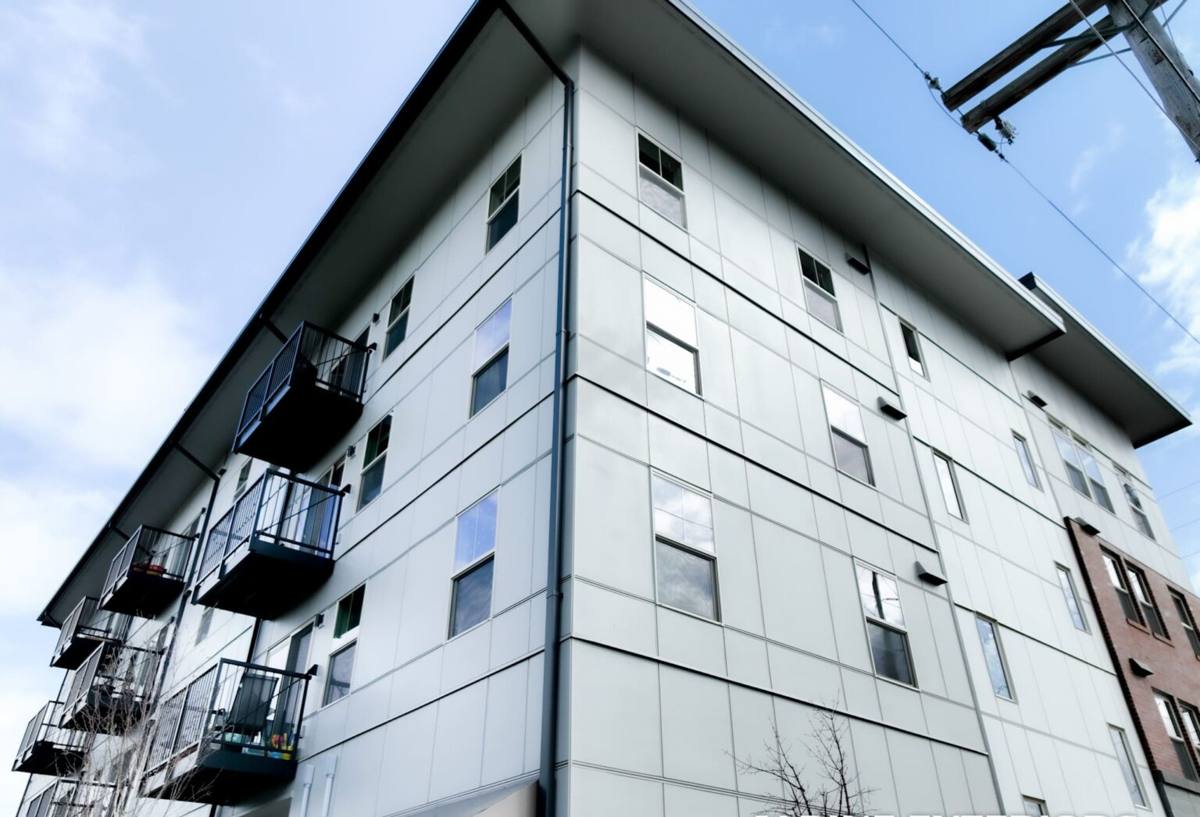
What Sehome Homes Need From a New Roof
Sehome's housing stock is varied — older homes with steeper, more traditional rooflines sit near newer builds with simpler, lower-slope designs. Add in a hillside terrain with mature tree cover in parts of the neighborhood, and you get a set of conditions that call for a few specific things in a roof replacement:
- Corrosion-resistant fasteners and flashing that can handle salt air without breaking down early
- Ventilation sized correctly for the roof, not just code minimums, since trapped moisture is what feeds moss and rot
- Underlayment rated for extended wet exposure, not just a baseline felt product
- Valley and edge details built to shed heavy, sustained rain rather than just handle an average storm
- A material choice that resists moss and algae growth in shaded or tree-covered sections of the roof
None of this is exotic. It's standard best practice applied consistently, which is exactly where a lot of roof replacements fall short — not because the materials are wrong, but because the details that matter most in this climate get skipped or rushed.
Signs Your Sehome Roof Is Ready for Replacement
Homeowners often wait for an active leak before calling, but by then the damage is usually well past the roof surface. A few things worth checking, or having us check, before it gets to that point:
- Shingles that are cupping, curling, or missing granules in patches, especially on south- and west-facing slopes
- Moss buildup that comes back within a season or two of cleaning, rather than staying off for several years
- Soft or spongy spots on the roof deck when walked, which usually means moisture has already reached the wood
- Daylight visible through the attic roof boards, or damp insulation near the roofline
- Flashing around chimneys, skylights, or vent pipes that's visibly rusted, lifted, or separated from the surface
- An age of 20+ years on asphalt shingle roofs, even if there's no visible damage yet
If you're seeing two or more of these, it's worth getting an inspection before deciding whether repair or full replacement makes sense. Sometimes a targeted repair buys real time. Sometimes it's a temporary fix on a roof that's already past the point where patching makes financial sense.
What a Correct Roof Replacement Actually Involves
Tear-Off and Deck Inspection
A proper replacement starts with a full tear-off down to the deck — not an overlay. Overlaying new shingles on old ones traps moisture and shortens the life of the new roof, which defeats the purpose in a climate that's already working against you. Once the old roofing is off, the deck gets inspected board by board. Any soft, delaminated, or water-damaged sheathing gets replaced before anything new goes down. Skipping this step is one of the most common corners cut in this trade, and it's the one that causes the most expensive problems later.
Underlayment and Water Protection
Given how much sustained rain this area gets, we don't treat underlayment as an afterthought. Self-adhered ice and water shield goes down along eaves, valleys, and any roof-to-wall transitions — the spots where wind-driven rain is most likely to find a way in. The rest of the deck gets a synthetic underlayment that holds up better under prolonged wet exposure than older felt products.
Ventilation
Proper intake and exhaust ventilation keeps the attic space at a consistent temperature and moisture level, which slows moss growth from underneath and prevents the kind of trapped condensation that rots decking from the inside. We calculate ventilation based on the actual attic square footage and existing airflow paths, not a generic rule of thumb.
Flashing and Edge Details
Flashing around chimneys, skylights, vents, and roof-to-wall junctions is where most roof leaks actually start, regardless of how good the shingles are. We use corrosion-resistant flashing and install it to shed water at every layer, not just seal it with caulk and hope it holds.
Choosing the Right Materials for This Climate
There's no single "best" roofing material for every home — it depends on the roof's slope, sun exposure, tree cover, and your budget. Here's how the common options compare for a neighborhood like Sehome:
| Material | Moss & Algae Resistance | Wind/Rain Performance | Typical Lifespan | Maintenance |
|---|---|---|---|---|
| Architectural asphalt shingle | Good with algae-resistant granules | Strong when properly nailed and sealed | 25-30 years | Periodic moss treatment in shaded areas |
| 3-tab asphalt shingle | Lower resistance, ages faster in wet shade | Adequate, less wind resistance than architectural | 15-20 years | More frequent moss and wear monitoring |
| Standing seam metal | Excellent — moss struggles to hold on smooth metal | Very strong, sheds heavy rain well | 40-50+ years | Low, occasional fastener and seam checks |
| Composite/synthetic shake | Good, varies by product line | Strong, but installation quality matters more | 30-40 years | Moderate, product-dependent |
We're selective about the composite and specialty products we install. Some of these systems perform well, but they're also more sensitive to installation technique and moisture management than standard asphalt or metal, and their warranty terms can be more restrictive if the install isn't exact. Where a homeowner wants that look, we'll walk through the real maintenance and moisture trade-offs before recommending it, rather than just selling the upgrade.
Our Process From Estimate to Cleanup
- Inspection and estimate — We walk the roof, check the attic where accessible, and give you a written scope with material options and pricing, no pressure to decide on the spot.
- Scheduling around weather — We plan tear-off and install around dry weather windows, since an open roof deck sitting through a rainstorm is how avoidable damage happens.
- Tear-off and deck repair — Old roofing comes off, the deck gets inspected, and any damaged sheathing is replaced and documented before we move forward.
- Underlayment, flashing, and material install — Water protection goes down first, followed by flashing at every vulnerable point, then the roofing material itself.
- Ventilation check — We confirm intake and exhaust airflow is balanced for the finished roof, not just left as it was on the old one.
- Cleanup and magnetic sweep — Debris and old materials are hauled off, and we run a magnetic sweep of the property for stray nails and fasteners.
- Final walkthrough — We go over the finished roof with you, explain any maintenance points specific to your home, and answer questions before we consider the job done.
Cost Factors for a Sehome Roof Replacement
Every roof is different, so exact pricing depends on a site visit, but these are the factors that move the number most:
| Factor | Why It Matters |
|---|---|
| Roof size and number of planes | More square footage and more complex shapes mean more material and labor time |
| Roof pitch and access | Steeper or harder-to-access roofs require more safety setup and take longer to work |
| Existing deck condition | Water-damaged sheathing found during tear-off adds repair cost that's hard to quote in advance |
| Material selection | Asphalt, metal, and composite products vary significantly in upfront cost and lifespan |
| Number of penetrations | Chimneys, skylights, and multiple vents each need individual flashing work |
| Layers to remove | A roof with multiple existing layers costs more to tear off than a single-layer roof |
We give a firm, written estimate after the inspection — not a rough number that changes once work starts. If we find something during tear-off that wasn't visible beforehand, like rotted decking, we'll show it to you and get approval before doing the work, not add it to the invoice after the fact.
Why a Crew That Already Works in Sehome Matters
A roof replacement isn't just about materials — it's about knowing how this specific area behaves. Crews that regularly work in Sehome know which roof orientations hold moss longest, which older homes tend to have deck issues once you get past the shingles, and how to sequence a job around the Bellingham area's unpredictable rain windows without leaving a roof exposed. We also know the local permitting process and inspection requirements for the City of Bellingham, so there's no guesswork or delay on that end.
That familiarity shows up in small decisions throughout a job — where to add an extra course of ice and water shield, which vents actually need upgrading versus which can be reused, how to flash a transition on an older home built before current code. It's the difference between a roof that's technically installed to spec and one that's actually built for where it sits.
After Your Roof Is Replaced
A new roof still needs some basic upkeep in this climate, especially around moss and debris:
- Keep gutters clear of needles and leaves so water isn't backing up under the roof edge
- Have moss treated at the first sign of regrowth rather than waiting for it to spread
- Trim back overhanging branches where possible to reduce shade and debris buildup on the roof
- Schedule a visual inspection every couple of years, even without an obvious problem
If you're weighing a roof replacement for your Sehome home, we're happy to take a look and give you an honest read on where things stand — no pressure, no obligation. Use the form below to request a free estimate.