 Bellingham Roofing
 Why Silver Beach's Climate Is Hard on Siding
Silver Beach sits in a part of Bellingham that gets the full Pacific Northwest treatment: wind-driven rain off the water, long stretches of overcast humidity, and tree canopy that keeps a lot of siding in shade for most of the day. Bellingham's location on Bellingham Bay means salt-tinged marine air moves through the whole county, including the wooded, lake-adjacent streets of Silver Beach, and that air doesn't just make things feel damp — it accelerates corrosion on fasteners and trim, and it keeps organic growth like moss and algae fed with moisture long after a storm has passed.
Add in Whatcom County's long moss season — realistically most of the year outside of a dry summer stretch — and you get siding that stays wet more often than it dries. That's the environment any product on a Silver Beach home has to survive, year after year, without swelling, delaminating, or rotting from the inside out.
Why We Only Install James Hardie
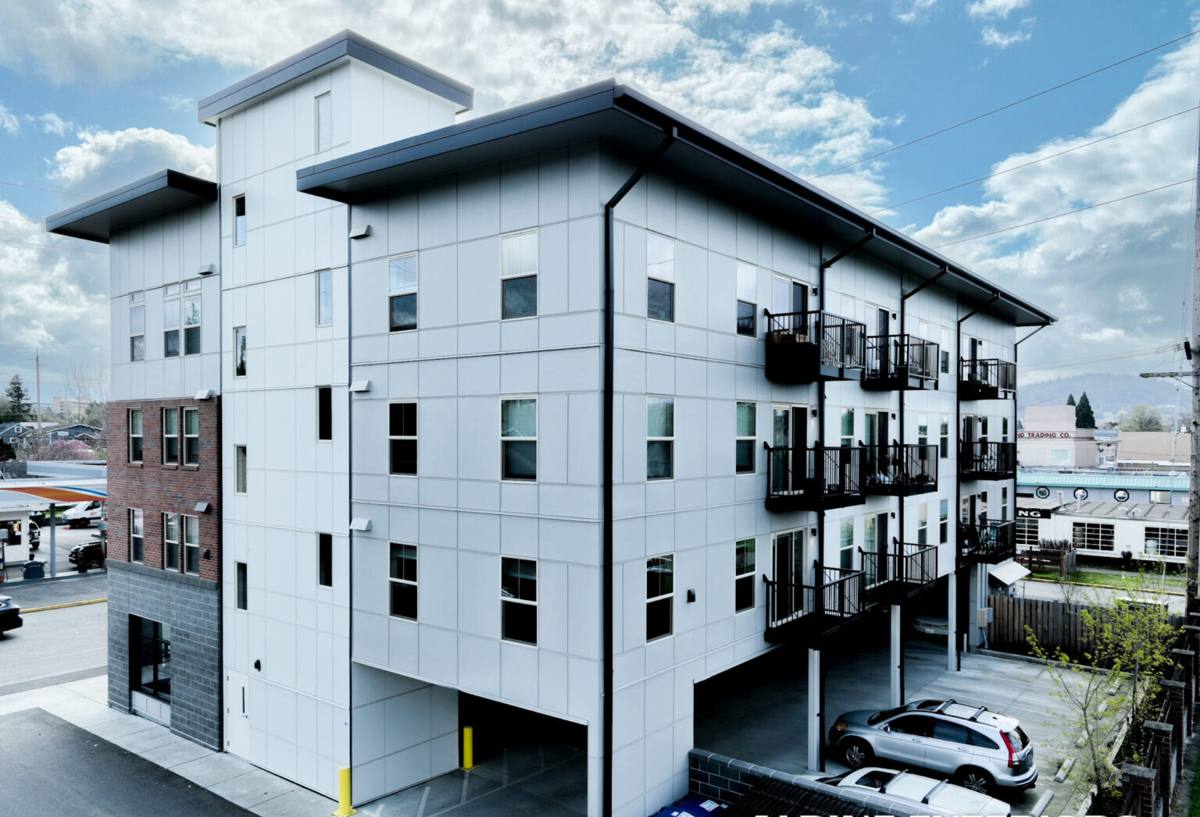
We made a decision as a company to install James Hardie fiber cement siding exclusively. We don't install vinyl, LP SmartSide, cedar, primed spruce, or other fiber cement brands like Cemplank or Allura. That's not a marketing line — it's a standard we hold because we've seen what this climate does to siding over a full lifecycle, not just in the first few years.
Fiber cement is made from cement, sand, and cellulose fibers, which makes it non-combustible and dimensionally stable — it doesn't expand and contract with moisture the way wood-based products do, and it doesn't soften or absorb water the way engineered wood siding can if a seam or cut edge is compromised. James Hardie's ColorPlus factory finish is baked on and warrantied against fading and peeling, which matters in a climate where siding rarely gets a full day of direct sun to help it dry and cure evenly. We're not saying every other product fails — we're saying that for the specific stresses Silver Beach homes face, Hardie is the product we're willing to put our name behind.
What "HZ5" Actually Means
James Hardie engineers its siding by climate zone, and the Pacific Northwest falls under the HZ5 formulation. That's not a marketing label — it's a different manufacturing spec designed for regions with sustained moisture exposure, tuned to resist moisture-related damage better than a one-size-fits-all product. When we quote a Silver Beach project, we're speccing HZ5 material, not a generic version of the same board.
Choosing the Right Hardie Product Line and Color
Not every Hardie product fits every home, and part of doing this right is matching the product line to the house, not just picking the cheapest option.
- HardiePlank lap siding — the most common choice for traditional and craftsman-style homes; available in several exposure widths and textures (smooth or cedarmill)
- HardieShingle — for homes that want a shingle or shake look without the maintenance burden of real cedar shakes, which struggle badly in shaded, damp conditions
- HardiePanel — vertical panel siding, often used as an accent on gables or modern-style homes
- HardieTrim — fiber cement trim boards that match the siding's moisture resistance, instead of pairing Hardie siding with wood trim that rots faster than the field material around it
On color, ColorPlus finishes are factory-applied and consistent across every board, which avoids the field-painting inconsistencies you get with primed products that need a full paint job after installation. For a shaded, moss-prone lot, we also talk homeowners through which colors show organic growth less readily and which trim details help water shed away from the wall instead of sitting on horizontal surfaces.
What Correct Installation Looks Like
James Hardie siding performs the way it's designed to only when it's installed to the manufacturer's specification. Most siding failures we get called out to inspect — on any brand — trace back to installation shortcuts, not the material itself.
Flashing and Drainage
Every window, door, and horizontal trim transition needs proper flashing so water is directed out and away from the wall assembly, not behind the siding. Behind the siding itself, we install a drainage plane that lets any moisture that does get past the cladding drain and evaporate rather than sitting against the sheathing — this is especially important on the shaded sides of a Silver Beach home where walls stay damp longer.
Fastening and Clearances
Hardie specifies fastener type, spacing, and penetration depth, and it specifies minimum clearances from siding to roofing, decks, and grade. Skipping these — over-driving nails, fastening too close to panel edges, or letting siding sit too close to the ground or a roofline — is one of the most common causes of early failure, and it's not something you can see from the street once the job is finished.
Cut Edges and Caulking
Every field cut exposes raw fiber cement that needs to be sealed and, where visible, touched up to match the ColorPlus finish. Joints and penetrations get sealed with a quality, paintable sealant rated for exterior use — not skipped or done with whatever caulk was on the truck.
Hardie vs. Common Alternatives for This Climate
| Factor | James Hardie Fiber Cement | Vinyl | Engineered Wood (e.g. LP SmartSide) | Cedar |
|---|---|---|---|---|
| Moisture behavior | Dimensionally stable, engineered for wet climates (HZ5) | Won't rot, but can warp and gap over time | Vulnerable at cut edges and seams if moisture gets in | Absorbs moisture readily; needs consistent maintenance |
| Combustibility | Non-combustible | Combustible, can deform in heat | Combustible (wood-based) | Combustible |
| Finish durability | Factory ColorPlus finish, long fade warranty | Color molded in, can chalk/fade | Factory or field finish, needs maintenance | Requires regular staining/sealing |
| Moss/algae resistance | Good; smooth finishes shed growth better | Moderate | Moderate, more texture to hold moisture | Poor in shaded, damp settings |
| Long-term maintenance | Periodic washing, repaint only if desired | Low but limited repair options | Moderate to high | High — regular refinishing needed |
This isn't a knock on every other product — vinyl and engineered wood both have legitimate uses elsewhere. It's why, for the specific combination of shade, moisture, and salt-tinged air that Silver Beach homes deal with, we standardized on one product we can install and warranty consistently.
Our Process, Start to Finish
- On-site assessment — we look at existing siding, sheathing condition, trim, flashing details, and how sun and shade hit the house before quoting anything
- Product and color selection — matching the right Hardie line and ColorPlus finish to the home's style and exposure
- Tear-off and sheathing check — removing old siding lets us verify the sheathing underneath is sound before anything new goes up; hidden rot gets addressed, not covered over
- Weather barrier and flashing installation — the drainage plane and flashing details get installed to spec before a single piece of siding goes up
- Hardie installation — fastened, spaced, and clearanced per manufacturer requirements
- Finish work — cut-edge sealing, caulking, trim, and touch-up so the ColorPlus finish looks uniform
- Final walkthrough and warranty registration — we register the installation with James Hardie so the transferable warranty is active from day one
Maintaining Hardie Siding in a Moss-Prone Neighborhood
Hardie siding is low-maintenance compared to wood, but "low-maintenance" doesn't mean "no maintenance," especially on shaded lots where moisture lingers.
- Rinse siding gently once or twice a year with a garden hose (avoid high-pressure washing directly at seams and joints)
- Keep gutters clear so overflow doesn't run down the wall face
- Trim back branches and shrubs that keep sections of siding in constant shade and moisture
- Check caulking at trim and penetrations periodically — sealant wears out well before the siding does
- Address any moss or algae early with a soft wash rather than letting it build up over multiple seasons
Why a Crew That Knows Silver Beach Matters
Installing siding correctly isn't just about following a spec sheet — it's about reading how a specific house sits on a specific lot. A crew that's worked in Silver Beach knows which walls stay shaded most of the day, how tree cover and lake-adjacent humidity affect drying time between install steps, and where extra attention to flashing and drainage pays off over the life of the siding. We also know the permitting and inspection process through the City of Bellingham, so a siding replacement doesn't stall out on paperwork.
That local familiarity is the difference between a crew that installs Hardie siding somewhere and a crew that's installed it repeatedly in this exact climate, on homes with the same shade patterns, moisture exposure, and moss pressure yours deals with.
If you're planning a siding project in Silver Beach, we're happy to take a look and walk you through what your home specifically needs. Reach out for a free, no-pressure estimate using the form below.