 Bellingham Roofing
 Window Replacement Built for South Hill's Older Homes
South Hill sits above downtown Bellingham on one of the city's oldest residential hillsides, and the housing stock reflects it. Many homes here were built well before modern window technology existed — single-pane wood sashes, aluminum-frame replacements from the 1970s and 80s, or early vinyl units that are now themselves due for a second replacement. Add in the hill's exposure to weather coming off Bellingham Bay, and you get a neighborhood where windows tend to fail earlier and more visibly than in newer, more sheltered parts of Whatcom County.
This page is about one thing: replacing windows correctly on South Hill homes, given the specific conditions those homes face. Not a general product pitch — a straight look at what the job actually requires here.
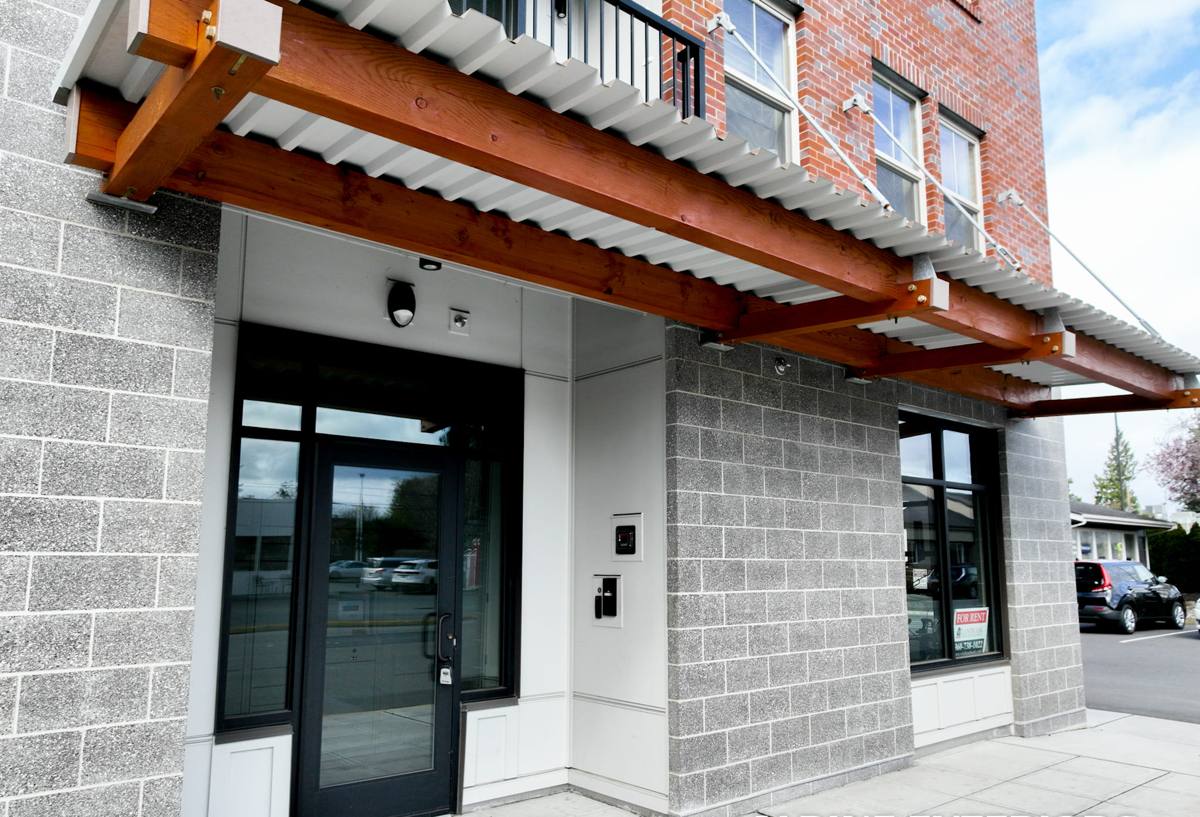
What Bellingham's Climate Does to Windows on South Hill
South Hill's elevation and orientation mean it catches wind and moisture that lower, more protected neighborhoods don't see as directly. A few things we deal with constantly on this hill:
- Salt-tinged air off the bay accelerates corrosion on aluminum frames, hardware, and older metal weatherstripping — you'll often see pitting or chalking on frames that are otherwise structurally fine elsewhere in the county.
- Driving rain hits west- and southwest-facing windows at an angle, not straight on, which is exactly the condition that exposes weak flashing and undersized sills. A window that's fine in calm rain can still leak in a sideways storm.
- Long moss season — Bellingham's wet stretch runs roughly October through May — keeps wood sills, trim, and sash pockets damp for months at a time. Moss and algae hold moisture against wood and painted surfaces, which is where rot gets started even when the glass and seals look fine.
- Temperature swings between damp winters and sunnier summers stress seals and glazing compound, especially on original wood windows that haven't been reglazed in years.
None of this means South Hill homes need exotic solutions. It means the installation details — flashing, sill pitch, drainage, frame material — matter more here than they would in a drier climate, and cutting corners on those details shows up as a callback within a year or two.
Why Older Homes Are More Exposed
A lot of South Hill's charm is its older architecture, but older window openings were often built with minimal flashing by today's standards, sometimes none at all beyond building paper tucked around the frame. When we pull an old window out of one of these openings, we're not just swapping glass — we're often the first people to actually inspect and correct the water management around that opening since the house was built.
What a Correct Window Replacement Involves
Window replacement done right is mostly about what you can't see once the trim goes back on. Here's what we consider non-negotiable on every job:
- Opening inspection before ordering. We check the rough opening for square, rot, and existing flashing condition before we ever measure for a new unit. If there's hidden water damage, we want to know before the window shows up, not after.
- Proper flashing integration. The new window's flashing needs to tie into the existing wall's water-resistive barrier correctly — lapped so water sheds outward and down, never trapped behind siding.
- Sill pan installation where called for. A sloped sill pan gives any water that does get past the exterior seal somewhere to go besides your wall framing. On a hill exposed to driving rain, this is cheap insurance we don't skip.
- Correct shimming and fastening. A window that's not shimmed square will bind, won't seal evenly, and will stress the frame over time — leading to premature seal failure.
- Interior and exterior sealant done right. Sealant is not a substitute for good flashing, but it's still part of a complete weatherproofing system, and cheap or misapplied caulk is one of the most common failure points we find on other contractors' work.
Frame Material Choices for South Hill's Conditions
There's no single "best" window material — the right choice depends on the home's style, budget, and exposure. Here's how the common options hold up specifically under South Hill's salt air, wind-driven rain, and long damp season:
| Material | How it holds up here | Maintenance |
|---|---|---|
| Vinyl | Good moisture and corrosion resistance; performs well in coastal-influenced air. Can look plain on historic-style homes without careful trim work. | Low |
| Fiberglass | Excellent dimensional stability through temperature swings; strong resistance to the freeze-thaw-damp cycle we get on the hill. | Low |
| Wood (clad exterior) | Classic look for older South Hill homes; clad exterior protects the wood from moss-season moisture while keeping a traditional interior. | Moderate |
| Wood (all-wood) | Authentic for period restorations, but demands consistent upkeep to stay ahead of moisture — we're honest that this is a bigger commitment on this hill. | High |
| Aluminum | Not something we install as a primary replacement on South Hill anymore — it conducts cold and is more prone to corrosion in salt-influenced air than the alternatives above, which shows up as pitting and stiff hardware over time. | Moderate to high |
For most South Hill homes, we steer clients toward vinyl or fiberglass for straightforward performance, or clad-wood when matching a historic look matters. We'll walk through the real trade-offs for your specific home rather than pushing one product line.
Our Process on South Hill Jobs
1. On-Site Assessment
We walk the home, check every opening slated for replacement, and look at the broader picture — siding condition, trim, any existing moisture or moss issues nearby. This tells us if it's a straight swap or if there's underlying repair work to address first.
2. Honest Scope and Quote
We tell you what we find, including anything that adds cost — rot repair, out-of-square openings, or flashing that needs to be redone. No surprise change orders for things we should have caught up front.
3. Precise Measurement and Ordering
Windows are ordered to the actual opening, not a catalog standard. This matters more on older South Hill homes where openings have often settled or shifted slightly over the decades.
4. Removal and Opening Prep
Old units come out carefully to protect surrounding siding and trim. Any rot or damaged framing we find gets repaired before the new window goes in — we don't install a new window into a bad opening.
5. Installation and Weatherproofing
New window goes in shimmed square, flashed correctly, and sealed per manufacturer specification. This is where the climate-specific details from earlier in this page actually get applied.
6. Final Walkthrough
We check operation, seals, and finish work with you before we consider the job done.
Signs South Hill Homeowners Should Watch For
- Fogging or moisture between panes — a sign the seal has failed and the insulated glass unit needs replacing.
- Drafts you can feel near the frame even when the window is fully closed and latched.
- Soft or discolored wood at the sill or lower corners, especially on west- and south-facing windows that take the brunt of driving rain.
- Moss or dark staining building up on sills or exterior trim — a sign moisture is sitting there longer than it should.
- Windows that are difficult to open, close, or lock, which on older aluminum units is often corrosion-related.
- Visible daylight or gaps around the frame from outside.
Any one of these is worth a look. Several at once usually means it's time to talk about replacement rather than another repair.
Why Local Experience on This Specific Hill Matters
South Hill's mix of home ages, its exposure to weather off the bay, and its position within Whatcom County's broader wet climate make it a different job than a subdivision built in the last fifteen years on flatter, more sheltered ground. A crew that regularly works this neighborhood already knows which orientations take the worst of the driving rain, which eras of home tend to have thin or missing flashing, and where moss and moisture problems tend to start. That's not a substitute for a proper on-site inspection of your home specifically, but it does mean fewer surprises and a scope that's accurate from the first visit.
We're a Bellingham-based crew, and South Hill is part of our regular service area — not a neighborhood we occasionally drive up to.
Get a Straight Answer About Your Windows
If you're dealing with drafts, fogged glass, sticking sashes, or just windows that are past their reasonable service life, we're happy to take a look. The estimate is free, there's no pressure, and we'll tell you honestly whether you need a full replacement, a targeted repair, or nothing at all right now. Fill out the form below to get started.