 Bellingham Roofing
 Asphalt Shingle Roofing Built for Sudden Valley's Conditions
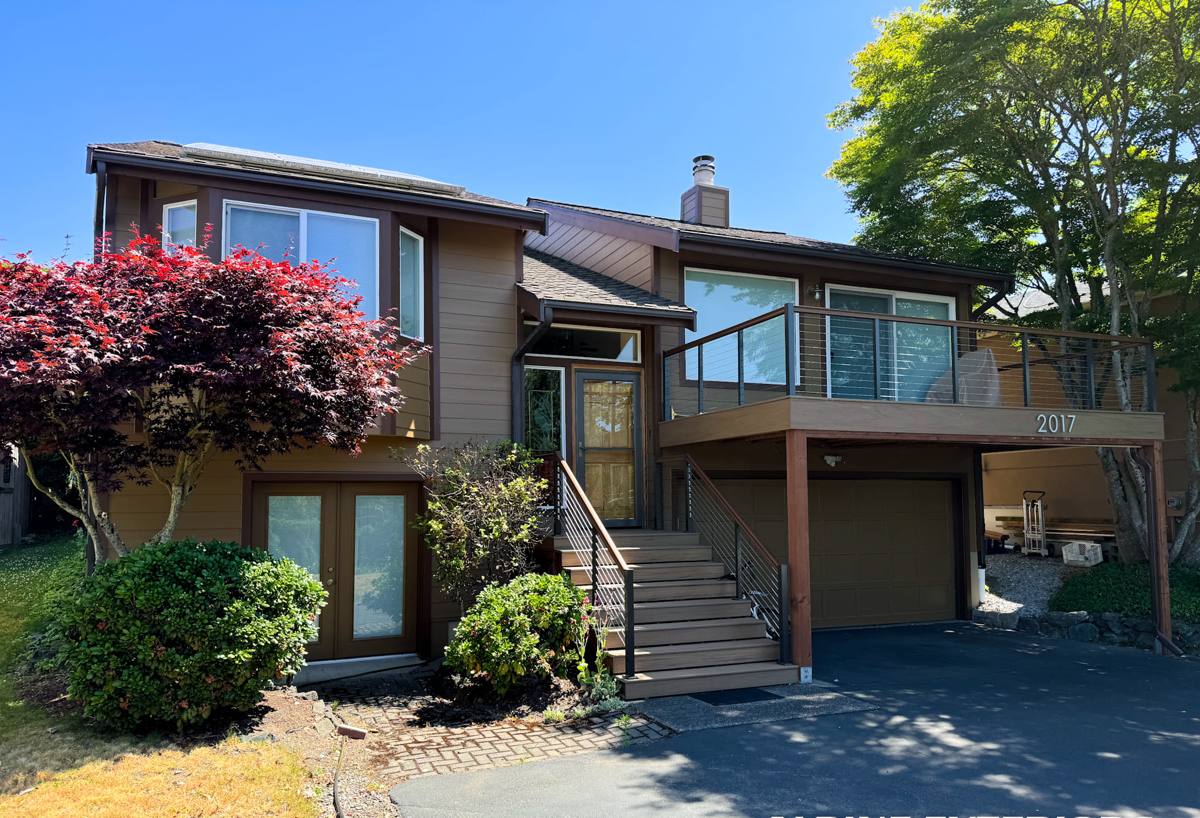
Sudden Valley sits in one of the more demanding microclimates in Whatcom County. Homes here tend to sit on wooded, sloped lots near Lake Whatcom, which means more shade, more standing moisture, and more organic debris landing on the roof than you'd see on an open lot closer to downtown Bellingham. Add in the marine air moving off the Puget Sound region and Bellingham Bay, and you've got a combination that shortens the useful life of a poorly installed or poorly maintained asphalt shingle roof faster than most homeowners expect.
This page is specifically about asphalt shingle roofing for Sudden Valley properties — not a general overview of shingles everywhere. The climate factors that matter here are salt-tinged air, driving wind-driven rain off the lake and hills, and a moss season that can run most of the year in shaded, tree-covered areas. A roof built without those factors in mind will look fine for a year or two and then start showing problems exactly where the tree cover is heaviest.
What Sudden Valley's Climate Actually Does to a Roof
It helps to understand the mechanism, not just the symptom. Three things are working against an asphalt shingle roof here at the same time:
- Moisture retention from tree cover: shaded roof sections dry out slower after rain, which is exactly the condition moss and algae need to establish.
- Wind-driven rain: lake-effect and hillside wind patterns can push rain sideways under poorly sealed shingle tabs and around flashing that isn't detailed correctly.
- Salt and moisture in the air: this accelerates corrosion on exposed metal fasteners, flashing, and vents if they aren't rated for coastal-adjacent exposure.
None of these are exotic problems, and none of them require an exotic roofing material. They require correct product selection and correct installation detail — which is where most of the difference between a roof that lasts and one that doesn't actually comes from.
Why Moss Is the Number One Complaint We Hear
Moss doesn't just look bad. It holds water against the shingle surface, works its way under tab edges, and over time lifts granules and shortens shingle life. On heavily shaded Sudden Valley lots, moss can return within a season or two of a cleaning if the underlying causes — poor airflow, overhanging branches, low-quality shingle granule coverage — aren't addressed as part of the job, not as an afterthought.
What a Correctly Installed Shingle Roof Needs Here
A roof that's going to hold up under Bellingham's wet, mossy, salt-air conditions needs more attention paid to the layers underneath the shingles than the shingles themselves. The visible shingle is the last line of defense — the underlayment, flashing, and ventilation are what actually keep water and moisture out over the long run.
| Component | Why It Matters in Sudden Valley |
|---|---|
| Ice and water shield at eaves/valleys | Protects the most vulnerable seams from wind-driven rain and ice damming during cold snaps |
| Synthetic underlayment (full deck) | Holds up to prolonged moisture exposure far better than older felt underlayment in shaded areas |
| Corrosion-resistant flashing and fasteners | Standard-grade metal degrades faster with salt-tinged coastal air over years of exposure |
| Balanced intake/exhaust ventilation | Moves moist attic air out before it condenses on the underside of the deck, which is a common hidden rot source |
| Algae-resistant (AR) shingle granules | Directly slows moss and algae growth on shaded, north-facing, and tree-covered slopes |
Choosing the Right Shingle Tier
Not every Sudden Valley roof needs the same shingle product, and we don't push homeowners toward the most expensive option by default. What matters is matching the shingle to the amount of shade, slope, and tree exposure on that specific roof.
| Shingle Type | Best Fit | Trade-Offs |
|---|---|---|
| 3-tab asphalt | Simple gable roofs with less tree cover | Lower upfront cost, shorter lifespan, less wind resistance |
| Architectural (dimensional) asphalt | Most Sudden Valley homes, especially shaded or complex rooflines | Higher upfront cost, significantly better wind and impact performance, longer warranty |
| Premium/designer asphalt | Steep-visibility roofs or homes prioritizing appearance | Highest upfront cost, best algae resistance options, longest manufacturer warranties |
For most heavily wooded Sudden Valley lots, we steer homeowners toward architectural shingles with algae-resistant granules as the baseline, not an upgrade — the shade and moisture exposure make that protection worth the modest price difference over the life of the roof.
How We Approach a Sudden Valley Re-Roof
Every roof gets assessed for its specific tree cover, slope orientation, and drainage pattern before we talk product. The process looks like this:
- On-site inspection: we check the deck condition, current ventilation, flashing details, and how much of the roof sits in consistent shade.
- Tear-off and deck check: old material comes off completely so we can inspect the decking underneath for soft spots or hidden moisture damage, especially around valleys and chimney flashing.
- Underlayment and ice/water shield: installed to current code minimums at eaves and valleys, extended further on shaded or low-slope sections where water sits longer.
- Flashing replacement: we replace flashing rather than reuse it in most cases — reused flashing is one of the most common hidden leak points in re-roofs generally, and salt-air corrosion makes reuse a worse bet here specifically.
- Shingle installation: nailed to manufacturer spec (not just "close enough") since underdriven or overdriven nails are a leading cause of early shingle failure in wind-exposed areas.
- Ventilation check and correction: intake and exhaust balanced so moisture doesn't get trapped in the attic space.
- Final walk-through: we go over what was done, what the warranty covers, and what maintenance (if any) the specific roof will need going forward.
Signs a Sudden Valley Roof Needs Attention
Because tree cover hides a lot of roof surface from casual view, problems here often go unnoticed longer than on an open, easily visible roof. Look for:
- Moss or dark streaking concentrated on shaded or north-facing slopes
- Granules collecting in gutters or at downspout outlets
- Curling, cupping, or lifted shingle tabs, especially near valleys
- Soft or spongy decking felt when walked on (a sign of trapped moisture)
- Visible daylight or staining in the attic near vents, chimneys, or skylights
- Shingles missing or torn loose after wind events off the lake
Any one of these on its own may just need monitoring. Two or more together, especially combined with the roof's age, usually means it's worth a proper inspection before the next wet season.
Maintenance That Actually Extends Roof Life Here
A correctly installed roof still benefits from basic upkeep in a lot like Sudden Valley's. This isn't about selling ongoing service — it's about what genuinely changes how long the roof lasts:
- Keeping overhanging branches trimmed back to reduce shade and debris load on the roof surface
- Clearing gutters and valleys of needles and leaf litter before the fall rains set in
- Having moss treated (not just power-washed, which can strip granules) as soon as it appears rather than after it's established
- Periodic flashing and seal checks around any roof penetrations — vents, skylights, chimneys
Why a Crew That Already Works This Area Makes a Difference
Roofing crews that mostly work flatter, more open parts of Bellingham don't always account for how much shade and moisture retention change the math on a wooded, lake-adjacent lot. A crew that regularly works Sudden Valley knows which slopes on a typical lot here hold moisture longest, where moss tends to come back fastest, and how much extra attention flashing and ventilation details need compared to a roof in full sun. That's not a marketing point — it changes real decisions on the job, like where we extend ice and water shield beyond the code minimum or which shingle tier we actually recommend for a given roof's shade pattern.
It also matters for scheduling honesty. Whatcom County's wet season is long, and a crew familiar with the area plans re-roofs around realistic weather windows rather than promising timelines that don't hold up once driving rain shows up mid-project.
Warranty and What It Actually Covers
Manufacturer warranties on asphalt shingles typically cover material defects, but they don't cover damage caused by improper installation — which is why workmanship warranties matter just as much as the shingle brand. Before any Sudden Valley project starts, we go over both: what the shingle manufacturer covers directly, and what our own installation workmanship guarantee covers separately. Ventilation problems, flashing failures, and nailing errors are almost always workmanship issues, not product defects, and homeowners deserve to know the difference before a claim dispute ever comes up.
Get a Free, No-Pressure Estimate
If you're dealing with moss coming back every year, a roof that's past its expected life, or you just want an honest read on where things stand before the next wet season, we're happy to take a look. The estimate is free, there's no pressure to sign anything on the spot, and you'll get a straight answer about what your roof actually needs — not a sales pitch. Use the form below to get started.