 Bellingham Roofing
 Windows in York Take a Different Kind of Beating
York is one of Bellingham's older, established neighborhoods, with a mix of early-1900s homes and newer infill sitting close enough to the water that the weather off the Salish Sea reaches every wall and window frame in the area. That means salt-laden air, driving rain that comes in sideways more often than straight down, and a moss season that runs a good chunk of the year. Windows here don't fail because they're old in the abstract sense — they fail because damp, salt, and shade work on wood, seals, and hardware year after year until something finally gives.
Whatcom County's climate is milder than most of the country, but "mild" doesn't mean gentle on building materials. The same moisture that keeps lawns green all winter also finds its way into window frames, sash pockets, and old glazing putty. If your windows in York are original to the house or were replaced decades ago, there's a good chance they're doing less for your energy bill and your comfort than you'd expect.
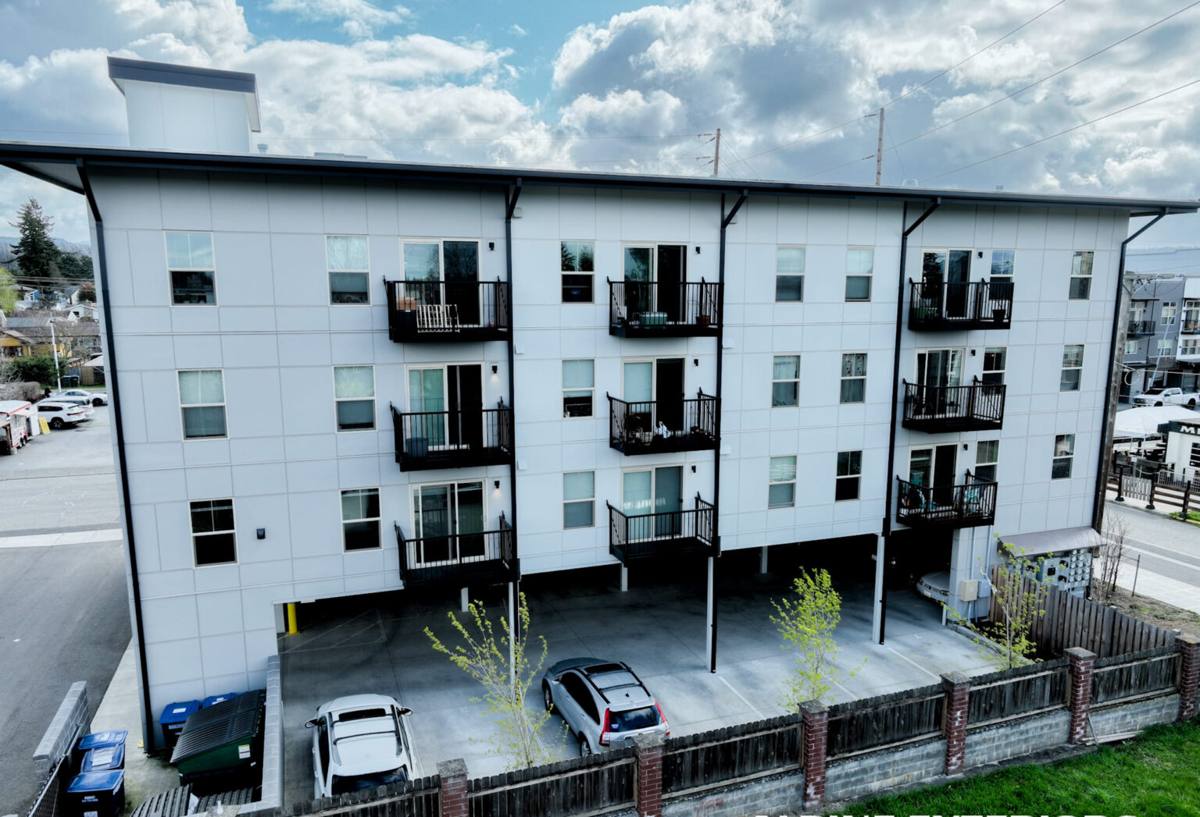
What Local Homes Actually Need From Their Windows
An energy-efficient window has to do two jobs at once in this climate: keep conditioned air inside, and keep wind-driven moisture and salt spray from working their way into the frame and wall assembly behind it. A window that's efficient on paper but poorly sealed against driving rain will still let in drafts and, worse, moisture that rots trim and sheathing over time.
Moisture Management Comes First
Before efficiency ratings even matter, a window has to shed water correctly. That means proper flashing at the head and sill, a sloped sill pan so water drains outward instead of pooling, and weep paths that aren't painted or caulked shut. We've opened up more than a few window openings in older Bellingham homes where the glass itself was fine but the flashing detail behind it had failed years earlier, letting water track down into the wall.
Then Comes Thermal Performance
Once the water management is right, the glass and frame determine how much heat you lose in winter and gain in summer. In York's marine climate, the bigger everyday win is usually draft control and condensation resistance rather than raw R-value — homes here rarely deal with extreme cold, but they deal constantly with humidity and temperature swings that show up as fogged glass or damp sills.
Signs Your Current Windows Are Underperforming
Homeowners often live with underperforming windows for years simply because the problems show up gradually. A few patterns we see regularly in York and the surrounding Bellingham area:
- Condensation forming between the panes, a sign the seal on a double-pane unit has failed
- Visible moss or dark staining building up on exterior sills and lower sashes
- A noticeable draft you can feel with a hand near the frame on a windy day
- Wood trim or sills that feel soft, spongy, or show paint bubbling
- Hardware that's stiff, corroded, or won't latch tightly anymore
- Rooms near windows that feel noticeably colder or warmer than the rest of the house
Any one of these on its own isn't necessarily an emergency, but together they usually mean the window assembly has stopped doing its job and is quietly costing you on heating, and eventually on repairs to the surrounding wall.
Frame Materials: What Holds Up in This Climate
Frame material matters more here than in drier parts of the country, because it's not just about insulation value — it's about how the material handles decades of damp air and occasional salt exposure. There's no single best choice for every home; it depends on the house's age, siding, and how much maintenance the owner wants to take on.
| Frame Material | Moisture Behavior | Maintenance | Typical Fit |
|---|---|---|---|
| Vinyl | Won't rot or corrode; performs consistently in damp air | Low, occasional cleaning | Most homes wanting efficiency without upkeep |
| Fiberglass | Very stable through temperature and moisture swings | Low | Homes wanting a paintable, long-term option |
| Wood | Needs a sound exterior clad or consistent paint upkeep to resist moisture | High, regular repainting and inspection | Historic homes prioritizing original appearance |
| Aluminum | Prone to condensation without a thermal break; can corrode near salt air over time | Moderate | Limited use, typically only where a thermal break is specified |
For older York homes with wood trim and a traditional look, wood-clad or vinyl windows with a wood-look interior are common compromises — the exterior face handles the weather while the interior keeps the character. We'll talk through what fits your specific house rather than pushing one material for every job; the right call depends on your siding, your budget, and how much upkeep you actually want to take on.
Glass, Coatings, and Gas Fills That Matter Here
Low-E Coatings
A low-emissivity coating reflects heat back into the room in winter and blocks some solar heat in summer. In a marine climate like Whatcom County's, this mostly shows up as fewer cold spots near the glass and less fading on furniture and flooring from UV exposure, since direct summer heat gain is rarely the main concern here.
Gas Fills and Spacers
Argon or krypton gas between panes slows heat transfer compared to plain air, and a good warm-edge spacer reduces the cold ring you sometimes feel around the edge of a window in winter. These are small differences individually, but they add up over the life of the window — and they're also the first things to fail. A failed seal lets that gas escape and moisture in, which is exactly the foggy-glass problem described above.
Double vs. Triple Pane
Triple-pane glass offers better insulation and sound dampening, but it also adds weight and cost. For most homes in this area, a quality double-pane unit with a good low-E coating and proper installation covers the climate's real demands. Triple-pane makes more sense for north-facing rooms, homes near louder streets, or owners specifically chasing the lowest possible energy use.
How We Approach a Window Job in York
1. On-Site Assessment
We start by looking at each opening individually — not every window in a house is in the same condition. We check for existing water damage, measure openings precisely, and note anything unusual about the wall assembly behind the trim before quoting anything.
2. Careful Removal
Old windows come out carefully to avoid damaging surrounding trim, siding, or interior finishes, especially in older homes where trim profiles can be hard to match if damaged.
3. Flashing and Sill Pan Correction
This is the step that gets skipped on rushed jobs and causes problems years later. We correct or install proper flashing and a sloped sill pan at every opening, regardless of the old flashing's condition, so water has a clear path out instead of a place to collect.
4. Installation and Sealing
The new window is set plumb and level, shimmed correctly so it operates smoothly, insulated around the frame without over-packing (which can bow the frame), and sealed with the right materials on both the exterior and interior sides.
5. Final Check and Cleanup
We test operation, check the seal, and walk the job with the homeowner before we consider it finished. Any trim or paint touch-up needed to match the existing exterior is handled as part of the job, not left as a surprise extra.
Mistakes We're Careful to Avoid
We've been called in on enough repair and re-do jobs to know where window installations commonly go wrong. These aren't brand issues — they're installation and process issues, and they're the reason we hold our own crews to a specific standard regardless of which window product a homeowner chooses:
- Caulking over weep holes or drainage paths, which traps water instead of letting it drain
- Skipping or reusing old flashing instead of correcting the sill pan detail
- Over-shimming or racking a frame during installation, which stresses the seal and hardware
- Sealing only the exterior and ignoring the interior air seal, which still allows condensation-causing air leaks
- Mismatched sizing that forces excessive foam or trim packing to fill gaps
Getting these details right the first time costs less than fixing water damage or a failed window two or three years down the road.
What Affects the Cost of a Window Project
Every home is different, so we don't quote sight-unseen, but the main variables that move the price on most York-area window jobs are fairly consistent:
- Number of windows and their size — larger or custom-shaped openings cost more than standard sizes
- Frame material chosen: vinyl, fiberglass, or wood-clad
- Glass upgrades such as triple-pane, upgraded low-E coatings, or sound-dampening laminate
- Condition of the existing opening — visible rot or water damage adds repair work before the new window goes in
- Trim and finish work needed to match existing interior or exterior details
- Access — second-story or hard-to-reach windows take more time and equipment
We'll walk through the factors specific to your home during the estimate, so you know what's driving the number instead of getting a flat quote with no explanation behind it.
Why It Matters That We Already Work in York
A crew that's worked in and around York and the rest of Bellingham knows what the older housing stock in this part of Whatcom County tends to look like behind the trim — where flashing was commonly skipped decades ago, how local siding types interact with window openings, and what permitting typically looks like for exterior work in the city. That familiarity means fewer surprises once an opening is exposed, and a more accurate estimate up front instead of a change order once the old window comes out.
It also means we're not guessing at how the local climate treats a given product over time — we see the results of past installations, good and bad, on homes just like yours throughout the year, not just at the moment of installation. If your windows in York are drafty, fogged, sticking, or just past their useful life, we're happy to take a look and give you a straight answer on what's actually needed versus what can wait. Fill out the form below for a free, no-pressure estimate — we'll walk the windows with you and explain what we find in plain terms.