 Bellingham Roofing
 Window Replacement for Barkley Homes
Barkley sits close enough to Bellingham Bay that the same weather patterns hitting the waterfront reach these homes too — salt-tinged air, long stretches of driving rain, and a moss season that seems to start earlier every year. Windows here take a different kind of beating than windows fifty miles inland, and replacing them without accounting for that is how homeowners end up doing the job twice. We install and replace windows throughout Barkley with materials and details chosen specifically for this corner of Whatcom County, not a generic Pacific Northwest spec sheet.
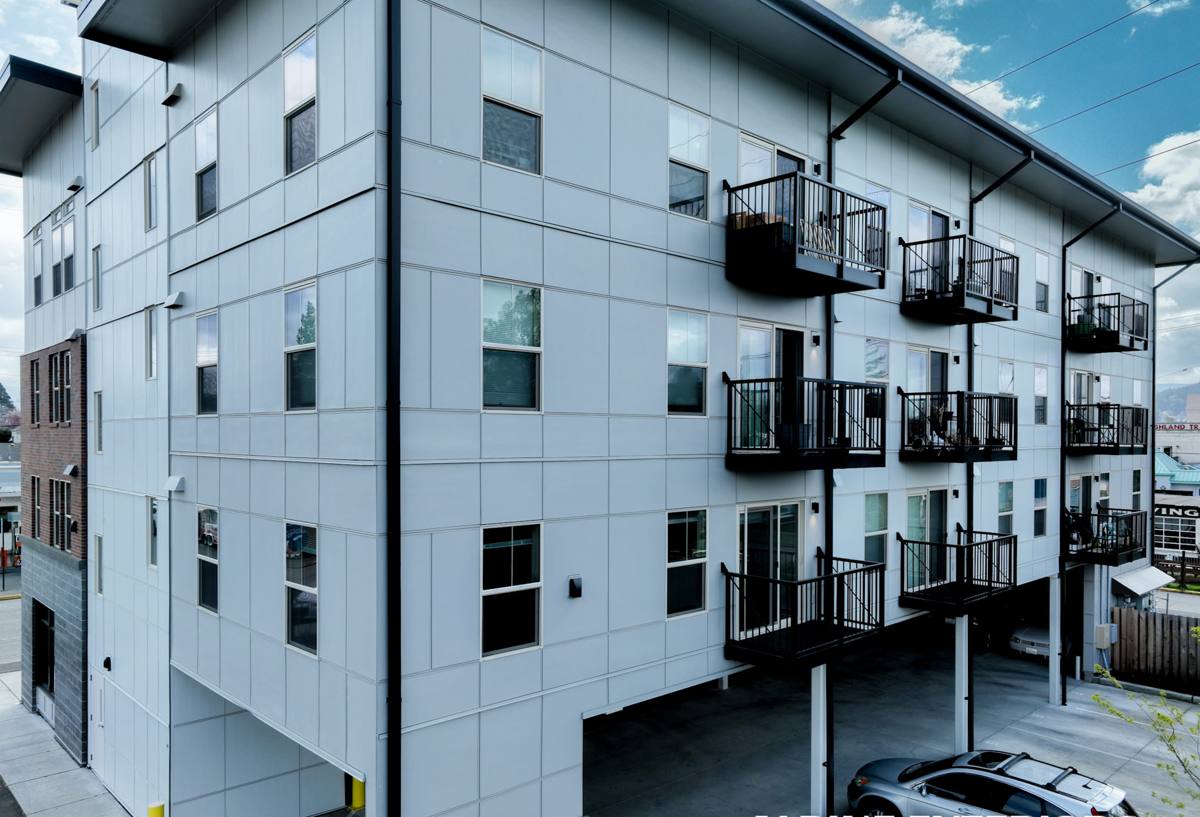
What Bellingham's Climate Does to Windows
Three things wear out windows in this area faster than in drier climates: sustained moisture exposure, salt-influenced air near the bay, and the sheer number of wet days per year. None of these are dramatic on their own — there's no single storm that blows out a window in Barkley. It's the cumulative effect.
Moisture and Rot
Whatcom County gets a lot of low-intensity, long-duration rain rather than short heavy downpours. That means window frames, sills, and the wall assembly around them stay damp for extended periods rather than getting a quick soak and drying out. Wood trim and sills that aren't properly flashed or sealed will hold moisture long enough to start rotting from the inside, often well before it's visible from outside.
Salt Air and Hardware
Homes closer to the bay deal with airborne salt that accelerates corrosion on window hardware — hinges, locks, balances, and screen frames. Lower-grade hardware and unprotected fasteners can start showing rust or seizing up years before the window itself has a problem, which is often the first sign a window is due for replacement even if the glass and frame still look fine.
Moss and Organic Growth
Bellingham's long wet season is ideal for moss and algae, and it doesn't stay confined to roofs. It collects in window tracks, on sills, and in any spot where water sits instead of draining. Beyond being unsightly, trapped organic growth holds moisture against the frame and can work into small gaps in caulking or sealant over time, giving water a path it wouldn't otherwise have.
Signs a Barkley Home Needs Window Replacement
- Soft or spongy wood at the sill or lower frame corners
- Windows that are difficult to open, close, or lock — often a sign of hardware corrosion or frame swelling
- Visible fogging or moisture between panes of double-pane glass (a failed seal)
- Persistent drafts near the frame even when the window is fully closed and locked
- Paint or finish that's peeling, bubbling, or discolored around the window opening
- Noticeable gap or daylight visible around the frame from inside
- Condensation forming on the interior glass regularly, especially in cooler months
Any one of these on its own might just need a repair or a reseal. Several showing up together, especially on the same window or the same side of the house, usually means the window has reached the end of its useful life.
What a Correct Window Replacement Involves
Swapping glass into an old frame or dropping a new window into an opening without addressing what's around it is a common shortcut that causes problems down the line. A proper replacement in a climate like ours involves a few non-negotiable steps.
Assessing the Opening, Not Just the Window
Before any new window goes in, we check the condition of the rough opening — the framing, sheathing, and any existing water damage around it. If there's rot or moisture intrusion behind the old window, that has to be addressed first. Installing a new window over a compromised opening just hides the problem temporarily.
Flashing and Water Management
Proper flashing directs water away from the window and the wall assembly behind it, rather than letting it collect at the sill or work its way behind the trim. This is the single most important detail in a wet climate like Bellingham's, and it's also the detail most likely to get skipped by installers moving too fast. We integrate flashing with the existing weather-resistant barrier so water has a clear path out, not a place to pool.
Sealing and Insulation
The gap between the new window frame and the rough opening needs to be insulated and sealed correctly — not overpacked with expanding foam, which can bow the frame, and not left with gaps that create drafts and cold spots. Exterior sealant beads need to be continuous and applied to clean, dry surfaces to actually bond and last.
Hardware and Material Selection
Given the salt air and moisture in this area, we lean toward corrosion-resistant hardware and low-maintenance frame materials — vinyl and fiberglass hold up with less upkeep than bare wood exposed to this climate. Wood-clad options are available for homeowners who want that look, but we're upfront that they carry more maintenance responsibility here than they would in a drier region.
Comparing Window Frame Materials for This Climate
| Material | Moisture Resistance | Maintenance | Typical Fit for Barkley |
|---|---|---|---|
| Vinyl | Excellent — won't rot, resists moss buildup | Low — occasional cleaning | Strong all-around choice, especially for budget-conscious replacements |
| Fiberglass | Excellent — very stable, resists warping | Low | Good for larger openings or homes wanting a more rigid, dimensionally stable frame |
| Wood | Poor without diligent upkeep | High — regular painting/sealing needed | Best for homeowners committed to maintenance or interior-only wood aesthetics |
| Wood-Clad (wood interior, metal/vinyl exterior) | Good on the exterior face, interior wood still vulnerable if seals fail | Moderate | Workable option if flashing and cladding seams are installed correctly |
| Aluminum | Fair — prone to condensation without thermal breaks | Low | Less common here due to condensation issues in our humid, cool climate |
There's no single "best" material for every home — it depends on your home's style, your maintenance appetite, and budget. We'll walk through the honest trade-offs for your specific windows rather than push one product line across the board.
Our Process for Barkley Window Replacement Projects
- On-site assessment — We inspect existing windows, openings, and any visible water damage or hardware issues before quoting anything.
- Honest recommendation — We tell you which windows genuinely need replacement versus which could be repaired or resealed, even if that means a smaller job.
- Material and product selection — We go over frame materials, glass options, and hardware suited to this climate, with real cost and maintenance trade-offs explained.
- Written estimate — Clear scope, materials, and pricing before any work starts.
- Removal and opening prep — Old windows come out, and we address any rot, damaged sheathing, or flashing issues found underneath.
- Installation — New windows are set plumb and level, properly flashed, insulated, and sealed.
- Final check — We test operation, locks, and weatherproofing before calling the job done.
Why a Crew That Works Barkley Matters
Window replacement done right depends on understanding the specific conditions a home faces, not just following a generic installation manual. A crew that regularly works in Barkley and around Bellingham knows which sides of a house typically take the worst weather, where moss and moisture tend to collect first, and which flashing and sealing details actually hold up through a Whatcom County winter versus which ones fail quietly over a year or two. That local pattern recognition is hard to replace with a one-size-fits-all approach from an out-of-area installer.
It also matters for accountability. A local contractor is easy to reach if a question comes up after the job, and has a reputation in the community worth protecting — that's a different incentive structure than a crew passing through on a regional contract.
Planning Around Bellingham's Wet Season
Window replacement can be done throughout the year, but scheduling around Whatcom County's wettest stretches — typically late fall through early spring — makes the installation smoother and reduces the window of time the opening is exposed before the new unit is sealed. If you're planning ahead, late spring and summer installs generally go faster with less weather-related delay, though we work with homeowners on timing that fits their situation regardless of season.
Cost Factors to Expect
Every home and window is different, so we don't quote sight-unseen, but a few factors consistently drive cost:
- Number of windows and their sizes
- Frame material chosen (vinyl, fiberglass, wood, or wood-clad)
- Condition of the existing opening — whether rot repair or additional framing work is needed
- Glass package (standard double-pane versus upgraded low-E or triple-pane options)
- Access and complexity, such as second-story or hard-to-reach windows
We'll break these down clearly in your estimate rather than giving a vague lump sum, so you know what you're actually paying for.
If your Barkley home has windows showing any of the signs above, or you're just ready to stop fighting drafts and fogged glass, we're happy to take a look and give you a straight, no-pressure estimate using the form below.