 Bellingham Roofing
 Window Replacement Built for Blaine's Coastal Climate
Blaine sits right on the water along Semiahmoo Bay and Drayton Harbor, which means homes here take a different kind of beating than houses ten miles inland. Salt-laden air off the bay works into aluminum frames and hardware. Wind-driven rain off the Strait pushes water sideways into gaps that would stay dry on a calmer site. And the long, damp stretch of fall through spring that defines Whatcom County weather keeps wood sashes and sills wet for weeks at a time. Window replacement in this part of the county isn't just a cosmetic upgrade — it's one of the more effective ways to stop water and air from finding their way into a house that sits close to salt water.
We're a Bellingham-based crew, and Blaine is part of our regular service area, not a once-in-a-while trip. That matters more with windows than with almost any other exterior project, because the difference between a correct install and a sloppy one doesn't show up on day one. It shows up two winters later, as rot in the framing or fog trapped between panes.
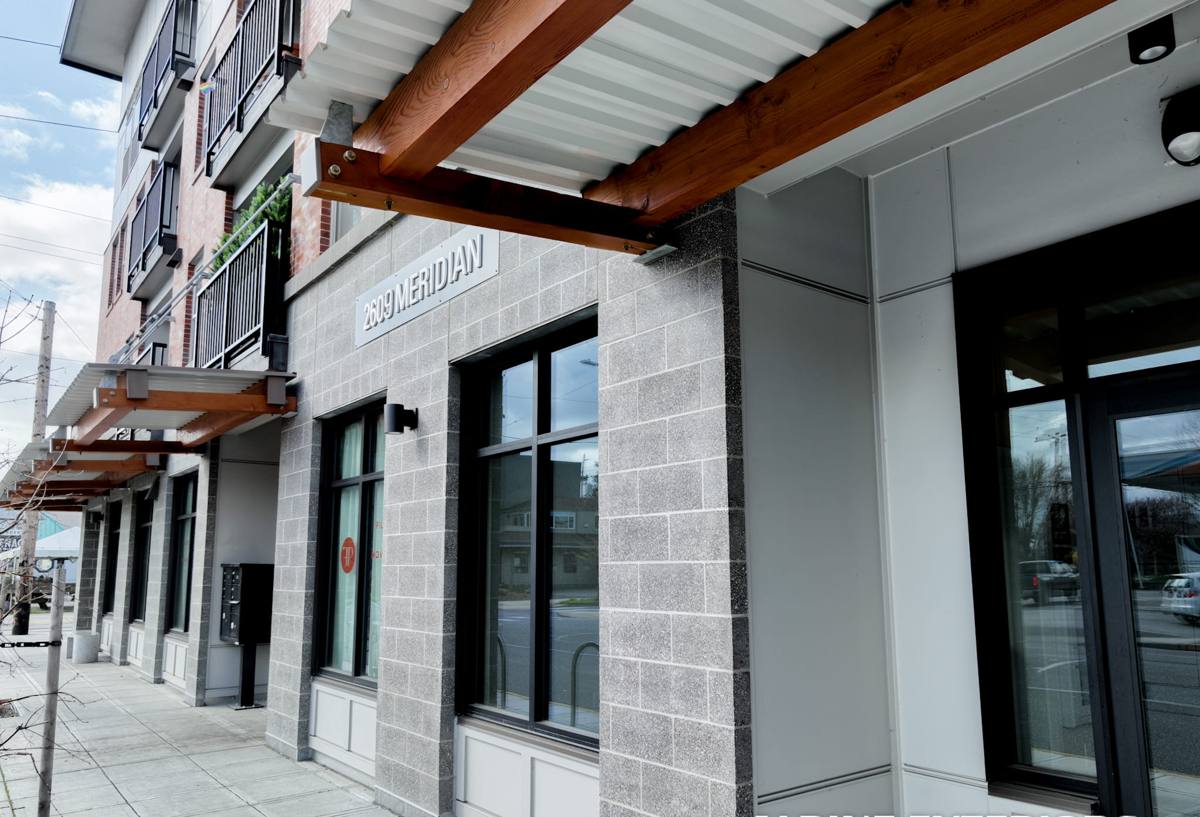
Why Blaine Homes Wear Out Windows Faster
Salt Air and Corrosion
Homes within a mile or two of Semiahmoo Bay or Drayton Harbor deal with airborne salt that settles on window hardware, weatherstripping, and metal flashing. Over years, that accelerates corrosion on cheaper hinges, locks, and balance mechanisms, and it degrades certain finishes faster than the same window would wear inland. This is one reason we pay close attention to hardware quality and frame material on coastal jobs, not just glass performance.
Driving Rain
Whatcom County's marine storms don't just drop rain straight down — wind pushes it horizontally against west- and south-facing walls. A window that's merely "caulked in" rather than properly flashed and integrated with the house wrap will eventually let that wind-driven rain behind the trim, where it soaks sheathing nobody can see until there's a soft spot or a musty smell.
Moss and Prolonged Dampness
The long moss season that affects roofs across this region also affects windows — moss and algae grow on north-facing sills and trim that don't get enough sun to dry out between storms. Sustained dampness against wood sashes and sills is what actually causes rot; the moss is just the visible sign that a surface stays wet too long.
Signs a Blaine Home Actually Needs Replacement
Not every old or drafty window needs to be pulled out. Some just need better weatherstripping or a storm window. These are the signs that point toward full replacement rather than a repair:
- Visible fog or moisture trapped between panes of a double-pane unit — the seal has failed and can't be fixed, only replaced
- Soft or spongy wood at the sill or bottom corners of the frame, especially on walls that face the water or prevailing wind
- Windows that won't stay open, won't latch, or have hardware seized from corrosion
- Noticeable draft or cold spot at the frame even with the window fully closed and latched
- Paint that keeps failing at the same spot every year or two, no matter how it's prepped
- Single-pane original windows in a home that's otherwise been updated — the biggest energy and comfort gap left in the building envelope
What a Correct Window Replacement Job Involves
The window itself is only part of the job. Most of the water and air problems we find in older Blaine homes trace back to how the window was set the last time, not the window unit itself. A correct install includes:
- Opening inspection — checking the rough opening, sill, and surrounding framing for hidden rot or damage before anything new goes in
- Sill pan flashing — creating a sloped, sealed drainage path so any water that does get past the window sheds outward instead of soaking into the framing
- Proper integration with the house wrap or building paper — flashing tape and house wrap have to be layered correctly (shingle-style, top over bottom) so water is always directed outward, never trapped behind the window
- Correct shimming and fastening — a window that's out of square or not fully supported will bind, leak, or fail its seal early
- Insulation of the gap — filled without over-packing, which can bow the frame and cause operating problems
- Interior and exterior sealing — the right sealant in the right place, not just a bead of caulk around the outside trim
Skip any one of these steps and the window can look fine for a year or two while water quietly works into the wall behind it — which is exactly the failure pattern we see most often in coastal Whatcom County homes that had a quick, budget install done at some point in the past.
Choosing the Right Window for a Salt-Air, High-Rain Climate
Frame material and glass package both matter more here than in a dry inland climate. There's no single "best" answer for every house — it depends on sun exposure, budget, and how close the home sits to the water — but here's how the common options compare for this specific climate:
| Frame Material | Coastal/Rain Performance | Maintenance | Typical Trade-Off |
|---|---|---|---|
| Vinyl | Good moisture resistance, won't rot or corrode | Low — no painting, occasional cleaning | Frame can flex on very large units; color choices are more limited than paintable materials |
| Fiberglass | Very stable in wet, temperature-swinging conditions; resists warping | Low | Higher upfront cost than vinyl |
| Aluminum-clad wood | Wood interior offers a traditional look; exterior clad resists weather better than bare wood | Moderate — interior wood still needs occasional attention | Higher cost; any breach in the cladding seal needs prompt attention near salt air |
| Bare wood | Traditional appearance but most vulnerable to moisture and salt exposure over time | High — regular painting/sealing required | Best reserved for historic or architecturally specific homes where appearance is the priority |
For glass, we generally recommend a good double-pane low-E unit with argon fill as the practical standard for this climate — it balances energy performance and cost well. Some homeowners on more exposed, wind-heavy sites opt to step up further for added sound and heat performance; we'll talk through whether that upgrade is worth it for a given house rather than upselling it by default.
Our Process for a Blaine Window Replacement Project
Because we already work in Blaine regularly, our process is built around minimizing surprises and disruption to your home:
1. On-Site Assessment
We look at each window individually — sun exposure, wind exposure, current condition, and what's happening at the sill and surrounding framing. Two windows on the same house can be in very different condition depending on which direction they face.
2. Honest Recommendation
We'll tell you plainly which windows need full replacement now, which could wait, and which just need a repair. We're not paid more for recommending more windows, and we'd rather earn a long-term customer than pad a single job.
3. Accurate Measurement and Ordering
Windows are custom-ordered to the exact opening. Getting this measurement right the first time avoids delays waiting on a remake.
4. Careful Removal and Opening Prep
We remove the old unit without unnecessary damage to surrounding trim or siding, and we inspect and repair any hidden rot in the opening before the new window goes in — sealing a bad opening behind a shiny new window doesn't solve anything.
5. Installation with Full Flashing Detail
Sill pan, flashing tape, house wrap integration, shimming, insulation, and sealing — done in the correct order every time, not shortcut because it's "just a window swap."
6. Cleanup and Walkthrough
We clean up job debris and walk the finished windows with you so you know how they operate and what to look for over time.
What Affects the Cost of Window Replacement
We don't publish flat prices because every house and window count is different, but these are the main factors that move the number up or down:
| Factor | Why It Matters |
|---|---|
| Number of windows | Per-unit cost usually drops when we're doing several at once versus a single window |
| Frame material | Vinyl, fiberglass, and clad-wood carry different material costs, as shown above |
| Window size and type | Large picture windows, bay windows, or unusual shapes cost more than standard double-hungs |
| Condition of the existing opening | Hidden rot or framing damage found during removal adds repair time before the new window can go in |
| Access and site conditions | Second-story windows, tight side yards, or difficult access can add labor time |
| Interior finish work | Matching existing interior trim or drywall repair after the swap adds to the scope |
The only way to get a real number is a walkthrough of your specific windows — which is exactly what a free estimate is for.
Why a Crew That Already Works in Blaine Matters
Window replacement is one of those projects where local familiarity actually changes the outcome, not just the convenience. A crew that regularly works Blaine and greater Whatcom County knows what salt-air corrosion looks like on hardware before it becomes a leak, understands how the local rain pattern hits west- and south-facing walls, and isn't guessing at how a coastal opening should be flashed. We're also close enough that if a window needs a warranty check or adjustment down the road, it's a short trip, not a special dispatch.
We treat every Blaine home the way we'd treat one in Bellingham proper — no travel surcharge mentality, no treating it as an out-of-the-way job squeezed in between others.
After Installation: Keeping New Windows Performing
A correctly installed window still benefits from basic upkeep, especially this close to the water:
- Rinse salt residue off exterior frames and hardware periodically, especially on homes with direct bay or harbor exposure
- Keep gutters and downspouts clear so roof runoff isn't sheeting down across window heads
- Check exterior caulking annually at the trim-to-siding joint and touch up if it's cracked or pulling away
- Operate locks and hardware a few times through the winter so mechanisms don't seize from disuse and damp
- Watch for moss or algae buildup on north-facing sills as an early sign that a surface isn't drying out between storms
If your Blaine home has drafty, foggy, or hard-to-operate windows, we're happy to take a look and give you a straightforward, no-pressure estimate — just fill out the form below and we'll set up a time to come by.