 Bellingham Roofing
 Why Cordata Roofs Wear Differently Than You'd Expect
Cordata sits in north Bellingham, close enough to Bellingham Bay and the Salish Sea that salt-laden air is a constant, low-grade stress on every exposed roofing material in the neighborhood. Add Whatcom County's long wet season, the driving rain that comes off Pacific storm systems, and the heavy tree cover that shades many Cordata lots for much of the year, and you get a roofing environment that ages materials faster than drier, sunnier parts of the state. It's not one dramatic event that wears a roof out here — it's the slow accumulation of moisture cycles, wind-driven rain finding its way under marginal flashing, and moss quietly working into shingle mat over years.
A roof replacement done right in this neighborhood has to account for all three factors at once: corrosion resistance for fasteners and metal components, water-shedding details that actually handle sideways rain, and a roof surface and ventilation setup that doesn't give moss an easy foothold. Homes built during different eras of Cordata's growth — from older single-family stock to newer subdivisions closer to the airport corridor — often need different approaches depending on original construction quality and how the roof was maintained.
Signs a Cordata Home Needs Replacement, Not Another Repair
Most homeowners don't wake up and decide to replace a roof — they notice a problem and have to figure out whether it's a patch job or the start of something bigger. In our experience working in this climate, a few patterns reliably point toward full replacement rather than another repair visit:
- Granule loss heavy enough that you're finding grit in gutters every season, not just after a storm
- Shingles that are cupping, curling, or cracking across multiple slopes, not just one sun-exposed section
- Moss or algae staining that keeps returning within months of a cleaning, especially on north-facing or shaded slopes
- Soft spots or sagging in the roof deck, which usually means water has already reached the sheathing
- A roof original to the home and past 20-25 years old, even if it "looks fine" from the ground
- Recurring interior leaks in more than one location, which often means the underlayment has failed broadly rather than at a single point
If only one or two of these apply and the roof is otherwise mid-life, a targeted repair is usually the honest recommendation. We'd rather tell a Cordata homeowner they have a few good years left than sell a replacement they don't need yet.
Age Isn't the Only Factor
Two roofs of the same age can be in very different condition depending on attic ventilation, tree cover, and how well previous flashing work was done. A roof under a canopy of conifers with poor attic airflow will typically show its age years before an identical roof on an open, well-ventilated lot.
What a Correct Roof Replacement Actually Involves
A full tear-off and replacement is more than swapping old shingles for new ones. In a climate like Bellingham's, the parts homeowners can't see matter as much as the finished surface.
Full Tear-Off and Deck Inspection
We remove the existing roofing down to the deck rather than layering over it. That's the only way to actually see the sheathing condition — soft, delaminated, or water-stained boards get replaced before anything new goes down. Covering over a compromised deck just hides the problem under a new warranty period.
Water and Ice Protection at Vulnerable Points
Valleys, eaves, and areas prone to wind-driven rain get self-adhering waterproof underlayment, not just standard felt. Given how often storms here come with a horizontal component, this detail does a lot of the real work in keeping water out over the life of the roof.
Flashing Done as Metal Work, Not an Afterthought
Chimneys, skylights, sidewall intersections, and roof-to-wall transitions are where most leaks actually start. We fabricate and install flashing to shed water correctly rather than relying on caulk or sealant as the primary defense — sealant degrades, properly formed metal doesn't.
Ventilation Sized for the Attic, Not Guessed At
Balanced intake and exhaust ventilation keeps moisture from condensing in the attic and extends shingle life by keeping deck temperatures more stable. In a humid, shaded climate, under-ventilated attics are one of the most common hidden contributors to premature roof failure and moss growth from below.
Corrosion-Resistant Fasteners and Hardware
Given the salt content in coastal air, we use fasteners and metal components rated for that exposure rather than standard-grade hardware that can start rusting and staining within a few years.
Choosing the Right Material for Cordata's Conditions
There's no single "best" roofing material — the right choice depends on budget, roof slope, tree exposure, and how long you plan to stay in the home. Here's how the common options compare for a climate like ours:
| Material | Typical Lifespan Here | Moss/Algae Resistance | Relative Cost |
|---|---|---|---|
| Standard 3-tab asphalt shingle | 15-20 years | Low — needs regular cleaning | Lowest |
| Architectural (laminate) asphalt shingle | 20-30 years | Moderate; better with algae-resistant granules | Moderate |
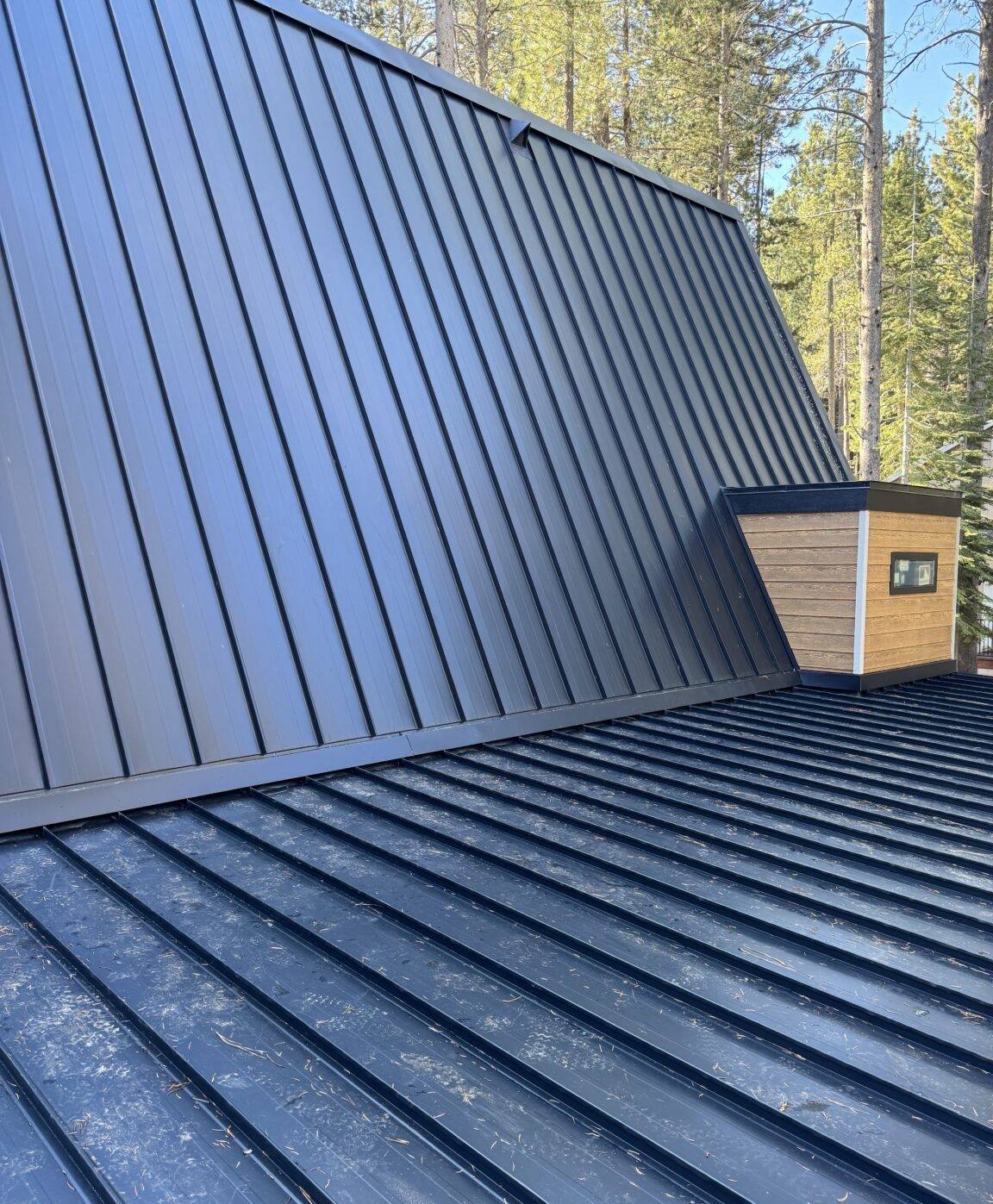
| Metal (standing seam or panel) | 40-50+ years | High — sheds moss and debris well | Highest upfront |
| Synthetic composite (slate/shake look) | 30-50 years | High | High |
For most Cordata homes, a mid-to-upper-tier architectural shingle with algae-resistant granules hits the right balance of cost, appearance, and performance. Homeowners on heavily shaded lots or those planning to stay long-term often find the higher upfront cost of metal pays off in reduced maintenance and moss battles over the decades that follow. We'll walk through the honest trade-offs for your specific roof and budget rather than pushing one product line.
Our Process, Start to Finish
- Free on-site inspection — we walk the roof (or use a lift/drone where pitch or access requires it) and check the attic from the inside, not just the surface from a ladder.
- Written estimate — a clear scope of work and price, spelling out material, underlayment, flashing, and ventilation plans, not just a single lump-sum number.
- Scheduling around weather windows — in this climate, timing a tear-off matters; we plan for dry stretches and keep the roof protected if conditions turn mid-project.
- Tear-off and deck repair — full removal, deck inspection, and replacement of any compromised sheathing before anything new is installed.
- Installation — underlayment, flashing, ventilation components, and final roofing material installed to manufacturer specifications.
- Site cleanup and magnetic sweep — yard, driveway, and gutters cleared of debris and stray fasteners.
- Final walkthrough — we review the completed work with you before calling the job done.
Living With the Roof: Moss, Algae, and Salt Air After Installation
Even a well-built roof in Whatcom County benefits from some routine attention. Moss spores travel easily through the moist, shaded air common around Cordata's tree cover, and salt air can accelerate wear on exposed metal over time. A few habits go a long way:
- Keep overhanging branches trimmed back to reduce shade and debris buildup on the roof surface
- Clean gutters at least twice a year so water isn't backing up under the roof edge
- Have moss growth removed gently (not pressure-washed, which can strip granules) as soon as it appears
- Schedule a periodic visual inspection every couple of years, especially after major storms
None of this requires a maintenance contract — just awareness of what this particular climate does to a roof over time.
Why Hiring a Crew That Already Works in Cordata Matters
Roofing code requirements, permitting processes, and typical construction details vary by jurisdiction, and a crew that regularly works in and around Bellingham already knows what the City and Whatcom County expect for a residential re-roof, what inspections to schedule, and how local wind and rain exposure should shape material and flashing choices. That local familiarity also means fewer surprises during the project — we're not learning the area's quirks on your job.
Just as importantly, a crew based in the region has a reputation to maintain with neighbors, not just a single transaction to close. That's a meaningful difference from an out-of-area or storm-chasing crew that may not be reachable if a warranty issue comes up two years down the road.
Questions to Ask Before You Hire Anyone
- Are you licensed and insured to work in Washington State, and can you provide proof?
- Will you inspect the attic and deck, not just the shingle surface, before quoting?
- What underlayment and flashing details do you use specifically for wind-driven rain?
- Is the estimate itemized, or a single number with no breakdown?
- Who handles warranty issues if something comes up after the job is finished?
- Can you provide manufacturer certification for the products you're installing?
A contractor who answers these plainly, without pressure or vague reassurances, is usually the one worth hiring.
Get a Straight Answer About Your Roof
If you're not sure whether your Cordata home needs a repair or a full replacement, the fastest way to find out is a straightforward, no-pressure inspection. We'll look at the roof and the attic, tell you honestly what condition it's in, and put together a clear estimate if replacement makes sense. Use the form below to request a free estimate — no obligation, just a straight answer.