 Bellingham Roofing
 Metal Roofing Built for Columbia's Weather, Not Just Its Look
Columbia sits close enough to Bellingham Bay that homes here take on a different kind of weather exposure than roofs further inland in Whatcom County. Salt-laden air off the water, wind-driven rain that doesn't just fall but gets pushed sideways under roofing materials, and long stretches of overcast, damp weather that keep roofs wet for days at a time all add up over the life of a roof. Metal roofing handles that combination better than most materials, but only when it's specified and installed correctly for this specific environment. A metal roof installed the same way you'd install one in a dry inland climate will underperform here. This page covers what Columbia homes actually need from a metal roof, what a correct installation looks like, and how our process works for homeowners in this neighborhood.
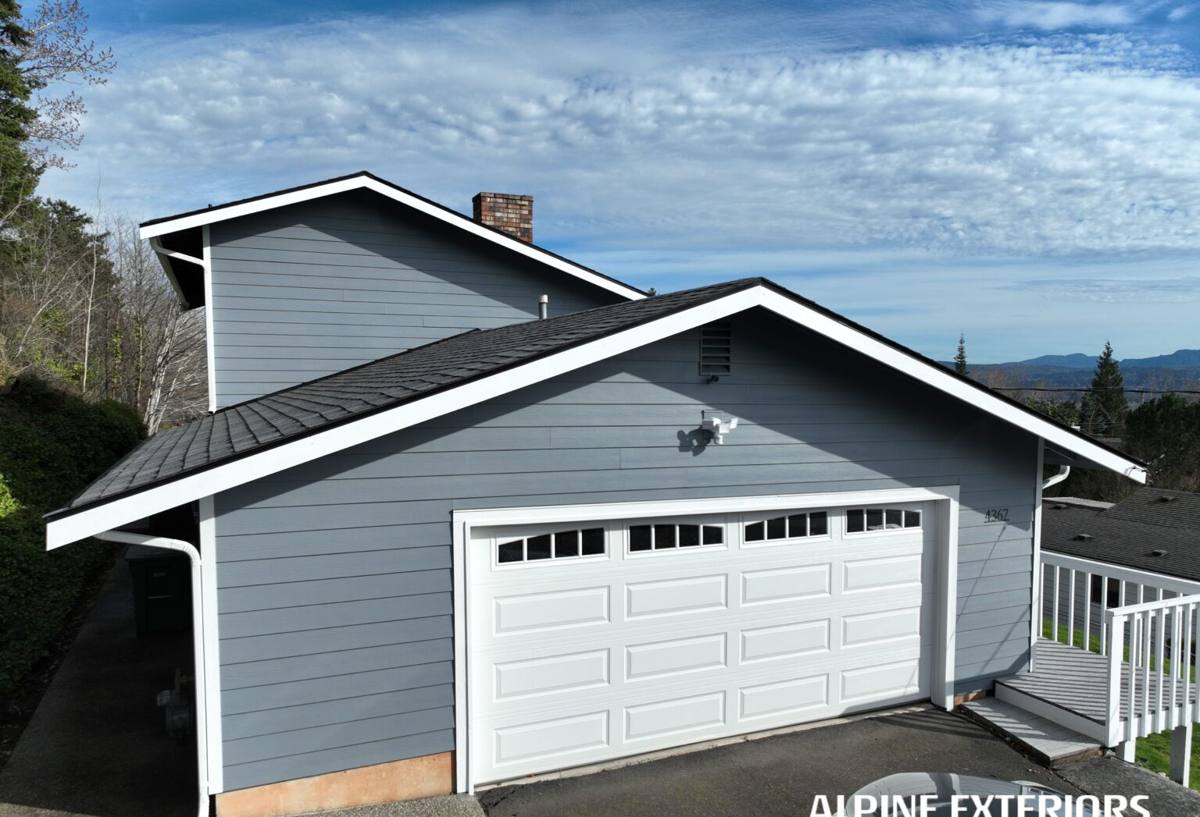
What Salt Air, Rain, and Moss Actually Do to a Roof
Each of these three factors stresses a roof in a different way, and understanding them is the first step toward choosing the right system.
Salt Air
Airborne salt from the bay accelerates corrosion on any exposed metal — fasteners, flashing, gutters, and unprotected panel edges. On a roof with cheap or unfinished hardware, this shows up first as rust streaking at screw heads and seams, then as pitting that eventually compromises the seal. The fix isn't avoiding metal roofing; it's specifying corrosion-resistant materials and coatings from the start.
Driving Rain
Bellingham's storms often come in sideways off the water rather than falling straight down. That means water gets forced up and under laps, around penetrations, and into any gap that would stay dry in a calmer climate. Roofing systems here need to be detailed for wind-driven rain, not just vertical rainfall — proper lap lengths, sealed seams, and correctly flashed penetrations matter more here than in drier parts of the state.
Moss Season
Whatcom County's tree cover and near-constant moisture from fall through spring create ideal conditions for moss and algae growth on roofs, especially in shaded or north-facing sections. On asphalt shingles, moss roots into the granule surface, lifts edges, and holds water against the material. Metal's smooth, hard surface gives moss far less to grip, and water sheds faster, but it isn't immune — moss can still take hold in debris that collects in valleys, around vents, or where two roof planes meet if those areas aren't kept clear.
Why Metal Is a Strong Fit for This Neighborhood
A lot of Columbia's housing stock is older, which usually means the original roof — or a prior replacement roof — is due or overdue. When homeowners are already facing a full replacement, it's worth comparing metal against another asphalt cycle rather than assuming asphalt is the default. Metal roofing sheds the driving rain common here more reliably than shingles, resists moss far better, and with the right coating system, stands up to salt air for decades rather than years. It's a higher upfront investment, but for a coastal-influenced neighborhood like Columbia, it's one of the few roofing materials genuinely built for the conditions rather than just tolerating them.
Panel Types We Install
Not all metal roofing is the same, and the right choice depends on your roof's slope, budget, and how much exposed hardware you're willing to maintain over time.
| Panel Type | Fasteners | Typical Lifespan | Best For |
|---|---|---|---|
| Standing Seam | Concealed under raised seams | 40-60+ years | Homes wanting minimal maintenance and a clean, modern line |
| Exposed-Fastener Panel | Screws driven through the panel face | 25-40 years | Budget-conscious projects, outbuildings, simpler rooflines |
| Stone-Coated Steel | Concealed or partially exposed, varies by product | 30-50 years | Homeowners wanting a shingle or shake appearance in metal |
For most Columbia homes, we lean toward standing seam or a quality stone-coated steel system, since both minimize the number of exposed fasteners that salt air can eventually corrode. Exposed-fastener panels are a legitimate, lower-cost option, but the gaskets under those screws need periodic inspection since they're the first thing to wear in this climate.
Steel vs. Aluminum
Steel panels with a quality factory coating perform well here as long as the coating stays intact — any scratch or cut edge that exposes bare steel becomes a corrosion starting point in salt air. Aluminum doesn't rust at all, since it doesn't contain iron, which makes it a strong choice for homes closer to the water or with more direct bay exposure. It costs more than coated steel, and the right call usually comes down to your home's specific exposure and budget, which we'll walk through on-site.
What a Correct Metal Roof Installation Involves
The panels get most of the attention, but the details underneath and around them are what actually determine whether a metal roof performs in this climate.
- Deck inspection: Any rot or soft decking found during tear-off gets replaced before new material goes down — covering it up guarantees future problems.
- High-quality underlayment: A synthetic or self-adhered membrane, with extra protection at eaves, valleys, and low-slope transitions where wind-driven rain is most likely to force its way in.
- Correct fastening: Concealed clips on standing seam systems allow the panels to expand and contract with temperature changes without stressing the seams or fasteners.
- Detailed flashing: Chimneys, skylights, sidewalls, and any roof-to-wall transition get flashed and sealed specifically for driving rain, not just standard vertical-fall assumptions.
- Ventilation: Proper ridge and soffit ventilation prevents condensation from forming on the underside of the panels, which is a common issue when metal roofs are installed without attention to attic airflow.
- Sealed laps and penetrations: Every panel end lap, pipe boot, and vent penetration is sealed with materials rated for long-term UV and moisture exposure, not general-purpose caulk.
Our Process
- On-site inspection and estimate: We walk the roof, check the decking where accessible, and measure the full roof area — this visit is free and no-pressure.
- Material and finish selection: We go over panel type, gauge, and coating options based on your home's exposure, budget, and how it looks against the rest of the house.
- Written quote: A clear, itemized quote so you know what's included before any work starts — no surprise add-ons mid-project.
- Scheduling: We plan around Whatcom County's weather windows to avoid installing over an open deck during an active storm system.
- Tear-off and installation: Old roofing is removed, the deck is inspected and repaired as needed, then underlayment, flashing, and panels go on in sequence.
- Daily cleanup: Job sites are cleaned and magnet-swept for stray nails and screws at the end of each work day, not just at the end of the project.
- Final walkthrough: We review the completed roof with you before considering the job done.
Maintaining a Metal Roof in a Coastal-Influenced Climate
Metal roofing is low-maintenance compared to asphalt, but "low" isn't "none," especially with salt air and moss season working against it year after year.
- Do a visual check once or twice a year, especially after a major windstorm off the bay
- Keep gutters and valleys clear of needles and leaf debris so water and moss-forming organic matter don't sit against the panels
- Trim back overhanging branches where practical to reduce shade and debris buildup on the roof
- Avoid unnecessary foot traffic on the roof, since scratches in the coating can become corrosion points over time
- On exposed-fastener systems, have a roofer check screw tightness and gasket condition periodically
- Address any scratched or exposed bare metal promptly with a touch-up rather than waiting
Cost Factors
Metal roofing costs more upfront than asphalt shingles, but the gap narrows when you account for how much longer it lasts and how little maintenance it needs in this climate. Exact pricing depends on your roof's size, pitch, and complexity, but these are the main factors that move the number:
| Factor | Why It Matters |
|---|---|
| Panel type | Standing seam costs more installed than exposed-fastener panel systems |
| Material | Aluminum typically costs more than coated steel but eliminates rust risk entirely |
| Tear-off vs. overlay | Full tear-off costs more but lets us inspect and fix the deck underneath |
| Roof complexity | Steep pitches, multiple valleys, and dormers add labor and material |
| Coating quality | Premium coatings resist salt air corrosion longer but add to material cost |
As a broad range, homeowners in this area are typically looking at a meaningfully higher per-square-foot cost than asphalt shingles, with the final number depending heavily on the factors above. We'll give you real numbers, not a rough guess, after seeing your roof in person.
Why It Matters to Hire a Crew That Already Works in Columbia
A roofer who only works inland doesn't necessarily think about salt-air corrosion or wind-driven rain detailing the same way a crew that regularly works close to Bellingham Bay does. Working in Columbia and similar Bellingham neighborhoods means we're familiar with the older framing and decking common in this housing stock, the moss patterns that show up under the area's tree canopy, and the City of Bellingham's permitting process for roofing work. That familiarity shows up in fewer surprises during tear-off and a roof detailed for the conditions it will actually face, not a generic install.
If you're weighing a metal roof for your Columbia home, we're happy to take a look and walk you through your options in person. Reach out for a free, no-pressure estimate — there's a form below to get started.