 Bellingham Roofing
 Windows Built for Cordata's Marine Climate
Cordata sits in north Bellingham, close enough to Bellingham Bay and the Strait of Georgia that homes here deal with the same marine push that shapes weather across Whatcom County: salt-laden air, driving rain that comes in sideways more often than straight down, and long stretches of gray, damp months where moss and algae get a foothold on anything that stays wet. Windows are one of the first places that weather finds a way in. A frame or seal that would hold up fine in a drier climate can start failing here in a handful of years if it wasn't installed with this specific weather pattern in mind.
Window installation in Cordata isn't fundamentally different work from window installation anywhere else in Bellingham — but the margin for error is smaller. Flashing details, sealant choices, and frame materials all get tested constantly by moisture, and a shortcut that seems fine on install day tends to show up as a soft sill, a fogged pane, or a moss-streaked exterior a few winters later.
What Cordata's Housing Mix Means for This Job
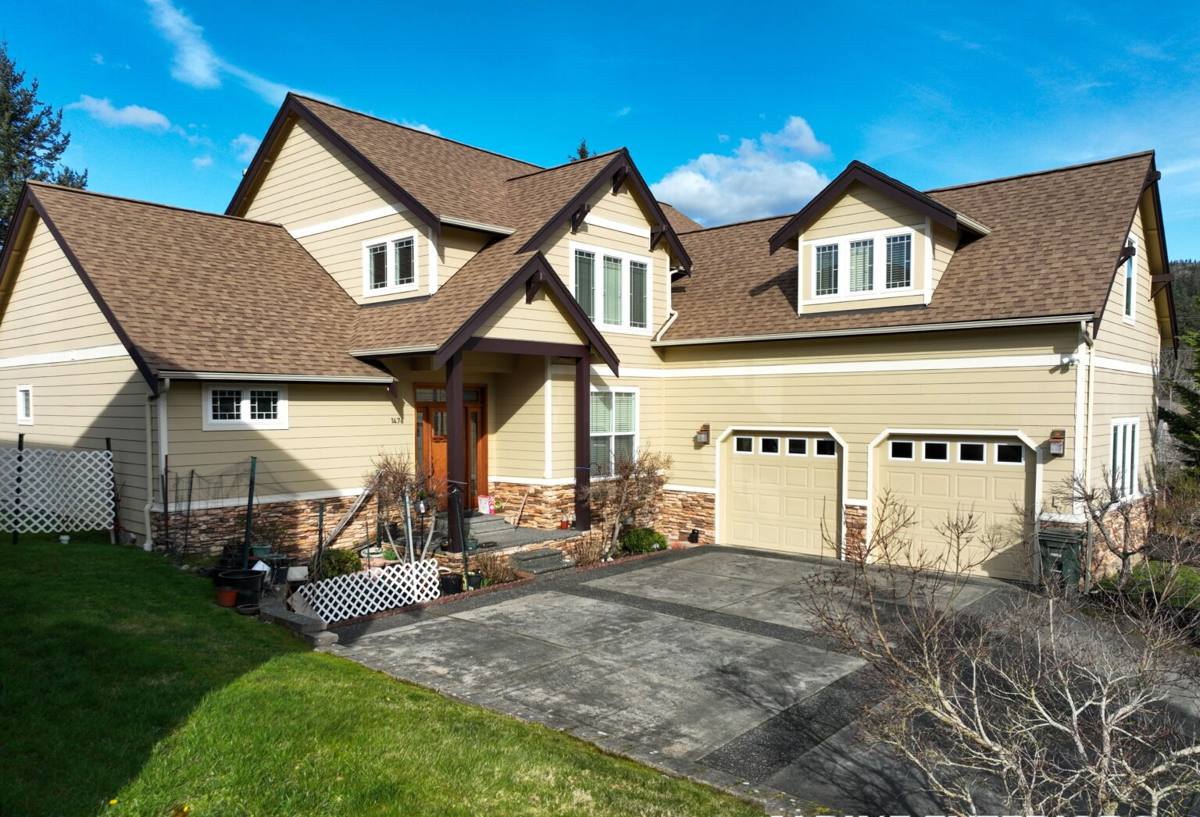
Cordata has grown up in phases — there's a mix of older single-family homes from earlier development waves alongside newer construction from the neighborhood's more recent growth near the north end of town. That mix matters for window work:
- Older homes often still have original wood-frame or early-generation vinyl windows, sometimes with outdated or missing flashing behind the trim — invisible until the wall is opened up.
- Newer builds usually have builder-grade vinyl windows chosen for cost during construction, not for long-term performance in a wet coastal climate — they're functional but rarely the best the market offers.
- Multi-family and townhome-style buildings, which are common in this part of Bellingham, add shared-wall and HOA considerations that single-family retrofits don't have.
Whatever the vintage, the underlying issue is the same: a window is only as good as the water management built into the rough opening around it. Replacing the glass and frame without correcting bad flashing just resets the clock on the same failure.
What a Correct Installation Actually Involves
Water Management First
Before a new window ever goes in, the opening gets inspected for rot, soft framing, and existing flashing condition. In a climate that sees this much driving rain, the flashing sequence — how house wrap, flashing tape, and window flanges layer over each other — determines whether water sheds outward or finds its way behind the siding. This is the step that gets skipped most often on rushed jobs, and it's the one that causes the most expensive problems down the road.
Fit and Air Sealing
A window that's slightly undersized or oversized for its opening gets shimmed and packed with insulation, then sealed with the right sealant for the material and exposure. Gaps here don't just waste heat — they give wind-driven rain a path inward, and in a marine climate that path stays wet for months at a time rather than drying quickly between storms.
Frame Material Matched to Exposure
Not every wall of a house sees the same weather. A west- or southwest-facing wall in Cordata, exposed to the prevailing weather off the water, takes more direct rain and wind than a sheltered side yard. Frame material, sealant type, and even trim detailing can reasonably differ wall to wall based on that exposure.
Finish Work That Doesn't Trap Moisture
Interior and exterior trim gets finished so water that does reach the window sheds away from the wall assembly rather than pooling against wood trim or caulk lines — the kind of detail that prevents the slow rot that's common on homes in wetter parts of Whatcom County.
Comparing Frame Materials for This Climate
There's no single "best" window for every Cordata home — the right choice depends on budget, exposure, and how much upkeep you want to take on. Here's how the common options actually compare in a wet, salt-air environment:
| Frame Material | Moisture Performance | Maintenance | Typical Cost Position |
|---|---|---|---|
| Vinyl | Doesn't rot; seams and welded corners are the weak point over time | Low — occasional cleaning | Lowest to mid |
| Fiberglass | Very stable in wet/dry cycling; holds paint and seals well | Low to moderate | Mid to higher |
| Wood, unclad | Attractive but vulnerable to rot without diligent upkeep in this rainfall pattern | High — regular painting/sealing | Mid to high |
| Wood-clad (vinyl or aluminum exterior) | Good — cladding shields the wood from direct weather | Moderate | Higher |
| Aluminum | Prone to condensation and thermal transfer unless thermally broken | Low | Varies widely |
Our standard recommendation for most Cordata homes is vinyl or fiberglass with a full flashing and air-sealing package — the frame material matters less than whether it was actually installed correctly. A premium window installed with poor flashing will fail before a mid-range window installed right.
Our Installation Process
- On-site assessment: we inspect existing openings, framing condition, and current flashing before quoting anything.
- Measure and order: exact sizing to the opening, with material and glazing options discussed based on the wall's sun and rain exposure.
- Removal and opening prep: old windows come out carefully, and any rot or damaged framing found underneath gets addressed before the new unit goes in — not covered up.
- Flashing and install: house wrap, flashing tape, and the window flange are layered correctly so water sheds outward at every step.
- Insulation and air sealing: the gap around the frame is filled and sealed, not just caulked at the surface.
- Trim and finish: interior and exterior trim reinstalled or replaced, with attention to drainage at the sill.
- Walkthrough: we go over operation, cleaning, and what to watch for over the first year.
Signs Cordata Homeowners Shouldn't Ignore
Because water damage around windows often starts hidden behind trim or siding, by the time it's visible it's usually been developing for a while. Watch for:
- Fogging or moisture between double-pane glass — a sign the seal has failed
- Soft or spongy wood at the sill or exterior trim
- Paint bubbling or peeling near the window frame
- Drafts you can feel even with the window fully latched
- Difficulty opening, closing, or locking a window that used to operate smoothly
- Visible gaps between the frame and siding or trim
- Moss or dark streaking building up on the sill or trim faster than on the rest of the wall
- A musty smell near a window, which can point to trapped moisture in the wall cavity
Any one of these is worth a look. Several at once usually means the flashing has already failed and water has been getting into the wall assembly for some time.
Moisture, Condensation, and Moss Season
Whatcom County's long moss season isn't just a roofing and siding issue — it's a sign of how much moisture sits against a house for how much of the year. Windows that trap condensation between panes, or that let humid indoor air reach cold glass and framing, create the same damp conditions that let moss and mildew take hold on trim and sills. Good installation reduces this two ways: a properly sealed unit keeps humid indoor air from condensing inside the wall assembly, and correct exterior detailing keeps the sill and trim drying out between storms instead of staying wet for weeks. Neither fix is visible from the street, which is exactly why installation quality matters more than window brand.
Why a Crew That Already Works Cordata Makes a Difference
A contractor who works regularly in this part of Bellingham has already seen how the housing stock in Cordata was built across its different development phases, what flashing details tend to be missing on the older homes, and how builder-grade windows on newer construction typically hold up after a few wet seasons. That familiarity shortens the assessment, avoids surprises mid-job, and means the crew is applying lessons learned on similar Cordata and north Bellingham homes rather than guessing. It also matters for permitting and code — Bellingham and Whatcom County requirements for egress, energy code, and structural changes around window openings are things a locally established crew handles as routine, not as a first-time lookup.
Get a Straightforward Estimate
If your Cordata home has windows that are drafty, fogged, hard to operate, or showing early moisture damage, it's worth having a local crew take a look before the problem gets bigger. We offer free, no-pressure estimates — use the form below to get started.