 Bellingham Roofing
 Deck Repair in Birchwood: Built for Bellingham's Wet, Salty Climate
A deck in Birchwood works harder than a deck almost anywhere inland. It sits under a marine layer that keeps wood damp for days at a time, takes on salt-laden air off the water, and spends a good chunk of the year growing a green film that most homeowners just call "the moss problem." None of that is unusual for Bellingham. But it does mean a deck built or repaired without that reality in mind will fail faster than the same deck would in a drier climate. Our deck repair work in Birchwood is built around that fact — we're not patching problems, we're addressing why they happened in the first place.
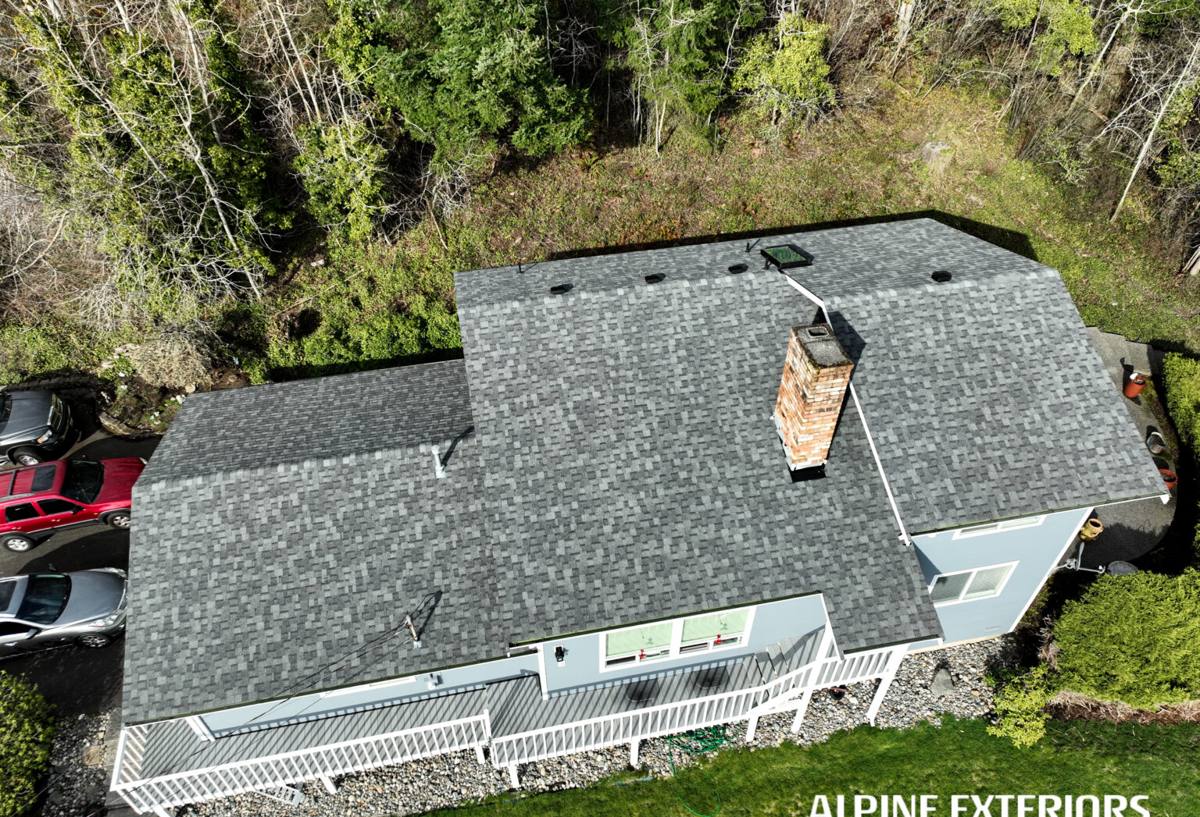
How Bellingham's Climate Wears Down Decks in Birchwood
Salt air and metal fatigue
Proximity to Bellingham Bay means airborne salt finds its way onto every exposed metal component on a deck — nails, screws, joist hangers, post bases, and railing hardware. Salt accelerates corrosion, and corroding fasteners don't just look bad; they lose holding strength. A ledger board or joist hanger held by rusted-through fasteners is a structural problem wearing a cosmetic disguise.
Driving rain and hidden moisture
Whatcom County rain rarely falls straight down. Wind-driven rain gets pushed sideways into gaps that a calmer climate would never test — behind ledger boards, under flashing, around post bases. Water that gets in doesn't dry out quickly here, because the air itself stays humid for long stretches. That combination is exactly what wood rot and composite delamination need to take hold.
The long moss season
Moss doesn't just make a deck slippery. It holds moisture directly against the decking surface for months, well past a typical rain event, and its root structure works into wood grain and even into the surface layer of some composite boards. A deck that gets moss every year and is only ever pressure-washed is having the symptom treated while the underlying moisture cycle keeps repeating.
Signs Your Birchwood Deck Needs Repair, Not Just a Cleaning
Some deck issues are obvious. Others hide until a board gives way or a railing wobbles more than it should. Walk your deck and check for these:
- Soft, spongy, or springy spots underfoot, especially near the house or at board ends
- Railings or posts that move more than a slight flex when pushed
- Rust streaks running down from screw heads, joist hangers, or metal brackets
- Gaps or dark staining where the deck meets the house (the ledger board connection)
- Persistent moss or algae in the same spots year after year, even after cleaning
- Boards that have cupped, crowned, or visibly separated at the edges
- Stairs that feel less solid than they used to, or treads with visible give
- A musty smell coming from underneath the deck
Any one of these is worth a look. Several at once usually means the deck's moisture management has been failing quietly for a while.
The Most Common Deck Problems We Find in This Area
Ledger board and flashing failures
The ledger board — where the deck attaches to the house — is the single most important connection on the whole structure, and it's also the most common failure point we see locally. Without proper flashing to shed water away from that joint, rain gets behind the ledger and rots both the ledger and the rim joist it's attached to. This is a structural safety issue, not a cosmetic one.
Fastener and hardware corrosion
As covered above, salt air shortens the life of standard fasteners and hardware. We regularly find older decks fastened with hardware that was never rated for this kind of exposure, and it shows up as rust stains, loosened boards, and weakened joist hangers.
Post and footing movement
Saturated soil during our wet months can shift footings slightly over years, especially on decks that weren't built with adequate footing depth or drainage. The result is a deck that feels less rigid than it used to, even if no single board is damaged.
Surface board rot and composite delamination
Wood decking that sits under trees or in shaded, poorly ventilated areas retains moisture longer and rots from the inside out. Composite decking doesn't rot the same way, but older or lower-grade composite boards can absorb moisture at cut ends or through surface damage, leading to swelling or the outer shell separating from the core.
Repair or Replace? What Actually Decides It
Not every deck problem calls for a full rebuild, and not every deck is worth patching. The honest answer depends on what's damaged and how much of the structure it affects.
| Factor | Leans toward repair | Leans toward replacement |
|---|---|---|
| Extent of damage | Isolated boards or one section | Widespread rot across framing |
| Ledger/framing condition | Solid, dry framing underneath | Soft or rotted structural members |
| Age of the deck | Newer, well-built structure | Original construction 20+ years old |
| Code compliance | Meets current railing/footing code | Undersized footings or old railing spacing |
| Decking material | Solid wood or intact composite | Widespread delamination or warping |
We'll always tell you plainly which category your deck falls into. A repair that only masks a structural issue isn't a service we're willing to sell, even if it's the cheaper conversation in the short term.
What a Correct Deck Repair Actually Involves
A repair that holds up through another wet Bellingham winter goes beyond swapping out the obviously damaged board. Our process typically includes:
- A full inspection from underneath the deck, not just a walk across the surface — this is where rot and corrosion actually show themselves first
- Checking the ledger board connection and flashing, since this is the highest-consequence failure point
- Testing joists, beams, and posts for soft spots, not just visually inspecting them
- Replacing corroded fasteners and hardware with materials rated for coastal/marine exposure
- Correcting drainage or ventilation issues that are causing repeat moisture problems, not just replacing the wood that moisture damaged
- Replacing damaged boards, framing members, or railing components to match structural requirements
- A final check of rail stability, stair solidity, and overall deck rigidity before we call it done
Skipping the diagnostic steps and going straight to board replacement is how the same repair ends up needed again in two or three years.
Wood vs. Composite: How Repair Considerations Differ
Both materials show up on Birchwood decks, and both need a different repair mindset in this climate.
Wood decking is repairable board by board, which keeps costs down when damage is isolated, but every cut end and fastener hole is a new place for moisture to get in if it isn't sealed properly. Composite decking resists rot in the traditional sense, but once the outer shell is compromised — from age, impact damage, or a manufacturing issue — moisture can work into the core and cause swelling that isn't reversible the way a wood board's surface weathering is. Matching color and profile on an older composite line can also be a real constraint, since manufacturers change product runs over time. We'll walk you through what's realistic for your specific decking before any work starts, rather than assuming one approach fits every deck.
Why a Crew That Already Works Birchwood Matters
Deck repair advice that works for a dry inland climate can be the wrong advice here. A crew that regularly works this part of Whatcom County already knows which fastener grades actually hold up near the bay, which flashing details matter most under driving rain, and which shaded, low-airflow spots in this area are the ones that grow moss fastest and rot first. That's not a guess — it's the pattern we see repeatedly on deck after deck in this part of Bellingham. It means less time spent diagnosing a problem you've probably already noticed, and a repair plan built around how this specific climate actually behaves rather than a generic checklist.
Keeping Your Deck in Good Shape After a Repair
A solid repair buys you years, but a little seasonal attention keeps you from repeating the same fix. Once your deck is repaired, a few habits go a long way in this climate:
- Clear moss and debris from the deck surface and between boards before it builds up, especially heading into fall and winter
- Keep gutters and downspouts near the deck clear so runoff isn't dumping extra water onto or under the structure
- Check the ledger board connection once a year for any new staining or gaps
- Reseal or refinish wood decking on the manufacturer or product's recommended schedule, not just when it looks faded
- Look underneath the deck occasionally, not just on the surface — that's where problems start
Get a Straight Answer About Your Deck
If your Birchwood deck has a soft spot, rust stains, a wobbly rail, or just isn't holding up the way it used to, it's worth a look before another wet season adds to the damage. Use the form below to request a free, no-pressure estimate — we'll tell you honestly whether you're looking at a repair or something bigger, and what it will actually take to fix it right.