 Bellingham Roofing
 Energy-Efficient Windows Built for Ferndale's Coastal Climate
Ferndale sits close enough to the water that homes here deal with a steady mix of salt-tinged marine air, wind-driven rain, and a moss season that can stretch on for months when the sun doesn't get much chance to dry things out. A window sits right at the seam between your conditioned indoor air and that weather, which means an energy-efficient window in Ferndale has to do two jobs at once: hold heat where you want it, and keep this region's water and moisture load from working its way into the wall around the frame. A window that tests well on paper but gets installed loosely, or flashed as an afterthought, ends up costing you twice — once in the energy bill it was supposed to lower, and again in repair work behind the siding a few years down the road.
This page covers energy-efficient window replacement specifically for homes in Ferndale — what the local climate actually demands from a window, what separates a correct installation from a rushed one, and how our process works for homeowners in this part of Whatcom County.
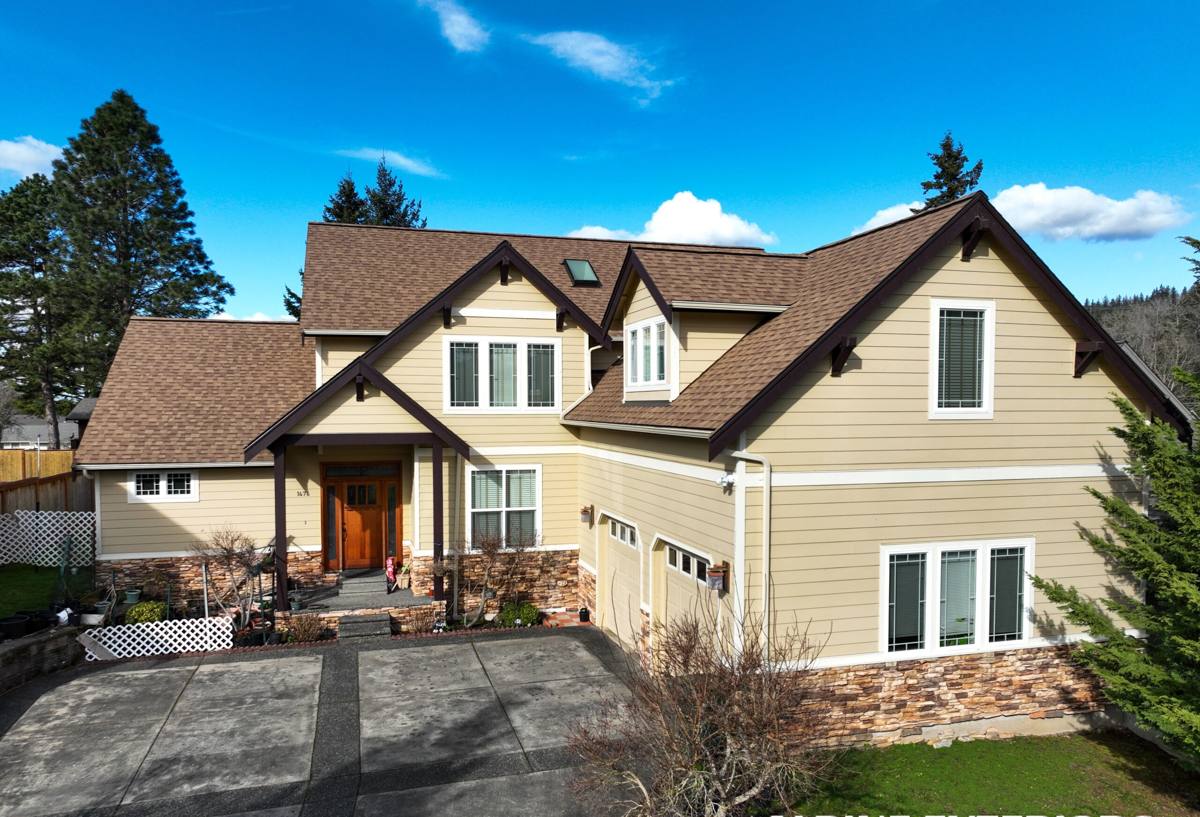
What Ferndale's Climate Demands From a Window
Salt Air and Hardware Longevity
The marine air moving through this area carries enough salt to accelerate corrosion on lower-grade hardware, screws, and weep-hole components over time. It's a slow process, but it adds up, and it's one reason we don't treat frame material and hardware quality as an afterthought when we're talking through options with a homeowner. A window that looks fine on the showroom floor can perform very differently after a decade of this air working on its hinges and locks.
Wind-Driven Rain and Water Management
Rain here doesn't just fall straight down — wind pushes it sideways and up under sills and around frames, which is exactly the kind of exposure that finds any weak point in a window's seal or the flashing around it. That makes sill drainage and the flashing sequence at the rough opening just as important to long-term performance as the glass itself. An efficient window with a compromised seal isn't efficient for long.
Moss Season, Shade, and Condensation
Shaded elevations and a long stretch of grey, damp months mean moisture sits around window openings here longer than it would in a drier climate. That supports mildew growth on sills and trim, and it also raises the odds of interior condensation on older, poorly insulated frames when warm indoor air meets a cold glass surface. Good glazing and a tight, correctly insulated frame cut down on that condensation, which matters as much for comfort and indoor air quality as it does for the energy bill.
What Actually Makes a Window Energy-Efficient
"Energy-efficient" gets used loosely in window marketing, so it's worth being specific about what actually drives performance.
U-Factor and Solar Heat Gain Coefficient
U-factor measures how well a window resists heat flow — lower is better for our climate, since it means less heat escaping through the glass and frame during our cool, wet months. Solar Heat Gain Coefficient (SHGC) measures how much solar heat the glass lets through, which matters most on sun-exposed elevations. Both numbers are printed on the National Fenestration Rating Council (NFRC) label that comes with every legitimate window, and we'll walk through what those numbers mean for your specific home rather than pointing you at a single "best" number that ignores which direction your windows face.
Glazing, Gas Fills, and Low-E Coatings
Double-pane glass with an inert gas fill (typically argon) between the panes and a low-E coating on the glass surface is the baseline for real energy performance today. The low-E coating reflects heat back into the room in winter and blocks excess solar heat in summer, without noticeably changing how much visible light comes through. Triple-pane glass adds another layer of insulation and can be worth the added cost on a north-facing wall or in a room where comfort near the glass has always been a problem, though it's not automatically the right call for every opening on a home.
Installation Quality Is Half the Equation
A high-performance window installed with gaps in the insulation, a poorly sealed rough opening, or flashing that doesn't actually shed water is not a high-performance installation. We've seen well-rated windows underperform their own ratings because of shortcuts at install, and we've seen mid-range windows perform solidly for decades because the installation around them was done correctly. The product matters, but the install is at least half of what determines whether you actually get the efficiency and dryness you're paying for.
Comparing Frame Materials for This Climate
Budget, sun exposure, and how long you plan to stay in the home all factor into the right frame choice. Here's how the common options generally hold up against Ferndale's marine, wet-winter conditions.
| Frame Material | Thermal Performance | Moisture & Salt-Air Behavior | Typical Maintenance |
|---|---|---|---|
| Vinyl | Good; multi-chambered profiles insulate well | Won't rot or corrode; performs well when installed correctly | Low; occasional track and weep-hole cleaning |
| Fiberglass | Very good; dimensionally stable across temperature swings | Resists moisture and corrosion well | Low |
| Wood, clad exterior | Good; wood core insulates well, cladding protects it | Depends on cladding integrity; unclad wood needs more upkeep here | Moderate; interior finish upkeep, cladding checks over time |
| Aluminum | Weaker unless thermally broken; conducts cold readily | Can corrode over time in salt-influenced air unless well-finished | Moderate |
We'll go over which frame material fits your home's design, budget, and each elevation's actual sun and weather exposure, rather than defaulting to whichever product is easiest to move. A shaded north wall and a rain-exposed west wall on the same house don't always call for the same answer.
What a Correct Installation Involves
Replacing a window in an existing Ferndale home is a different job than a new-construction install, since the wall around the opening is already finished. Getting it right still comes down to sequence and attention to detail rather than any single product choice.
- Removing the old window carefully to avoid unnecessary damage to surrounding trim and siding
- Inspecting the rough opening and sill for hidden rot or water damage before anything new goes in
- Repairing or rebuilding any compromised framing found during that inspection, rather than covering it up
- Forming or confirming a sill pan that drains outward instead of pooling under the new frame
- Setting the new window level, plumb, and square before fastening
- Integrating flashing tape and sealants with the existing weather-resistive barrier in the correct lapped order
- Insulating and air-sealing the gap between the frame and rough opening from the interior side
- Reinstalling or replacing trim and finishing the exterior seal
Finding rot or water damage once the old window is out isn't unusual in this climate, especially on older homes or elevations that catch the worst of the driving rain. We'll always show you what we find and talk through the repair before closing the wall back up, rather than quietly covering a problem that will resurface later.
Energy Code, Ratings, and What to Ask About
Window replacements in Washington are subject to the U-factor and performance requirements in the Washington State Energy Code, and any window package we install is specified to meet or exceed current code. Beyond the code minimum, it's worth asking what utility rebates or incentive programs might apply to your project — local utilities and cooperatives periodically offer rebates for qualifying energy-efficient replacements, and there have also been federal tax credit programs for qualifying window upgrades. Program details and eligibility change from year to year, so we'd rather point you toward checking current, official program terms before you buy than quote you a number that may no longer be accurate by the time your project is scheduled.
How Our Process Works
- On-site assessment: We look at your existing windows, note which elevations take the worst weather, and check for any signs of moisture damage around current openings.
- Product walkthrough: We go over frame material, glazing, and U-factor/SHGC options suited to your home and budget, elevation by elevation rather than a single blanket recommendation.
- Scheduling: We plan the install around the weather where we can, since a dry install window makes for a cleaner, more reliable seal.
- Removal and opening inspection: Old windows come out carefully, and we inspect every rough opening for hidden damage before setting anything new.
- Installation and flashing: Each window is set, flashed, and sealed following a consistent sequence, not a rushed version of it.
- Final walkthrough: We check operation, hardware, and visible seals with you before calling the job done.
A Practical Checklist Before You Sign a Window Contract
- Does the quote specify U-factor and SHGC for the actual product, not just a brand name?
- Is the frame material matched to each elevation's sun and weather exposure, not applied uniformly across the house?
- Does the contractor's process include inspecting the rough opening for hidden rot before installing?
- Is there a clear sill pan and flashing plan, or is it just "caulk and go"?
- Does the installer carry current Washington contractor licensing and active liability insurance?
- Is the warranty structure — on both the product and the labor — spelled out in writing?
Why Hiring a Crew That Already Works Ferndale Matters
A crew that regularly installs windows in and around Ferndale has already seen how salt-tinged air wears on underspecified hardware, how wind-driven rain finds the one gap in a poorly lapped sill pan, and which elevations on a typical local home need extra attention because of shade or prevailing wind. That's practical knowledge that shows up in small decisions throughout the job — decisions a crew unfamiliar with this specific stretch of Whatcom County coastline might not think to make at all. It also means working with someone who's easy to reach if a warranty question comes up years down the line, rather than a crew that worked one job in the area and moved on.
If you're weighing window replacement for a Ferndale home and want a straight answer on what your specific windows actually need, we're glad to take a look and walk you through the options. Use the form below to request a free, no-pressure estimate.