 Bellingham Roofing
 Roof Replacement in Ferndale: What Makes This Job Different
Ferndale sits close enough to the water and far enough north in Whatcom County that its roofs take a different kind of beating than roofs a couple hours south. Salt-tinged air off the Strait, long stretches of steady rain, and a moss season that starts earlier every fall all add up on a roof that wasn't built, or replaced, with that specific combination in mind. A roof replacement here isn't just "tear off the old shingles and put down new ones." It's a chance to fix whatever let the old roof fail early, and to set the new one up to actually get through the next fifteen to twenty-five years of this climate without surprises.
This page covers what a Ferndale roof needs, what a correct replacement job involves step by step, and how our process works for homeowners in this specific part of Whatcom County.
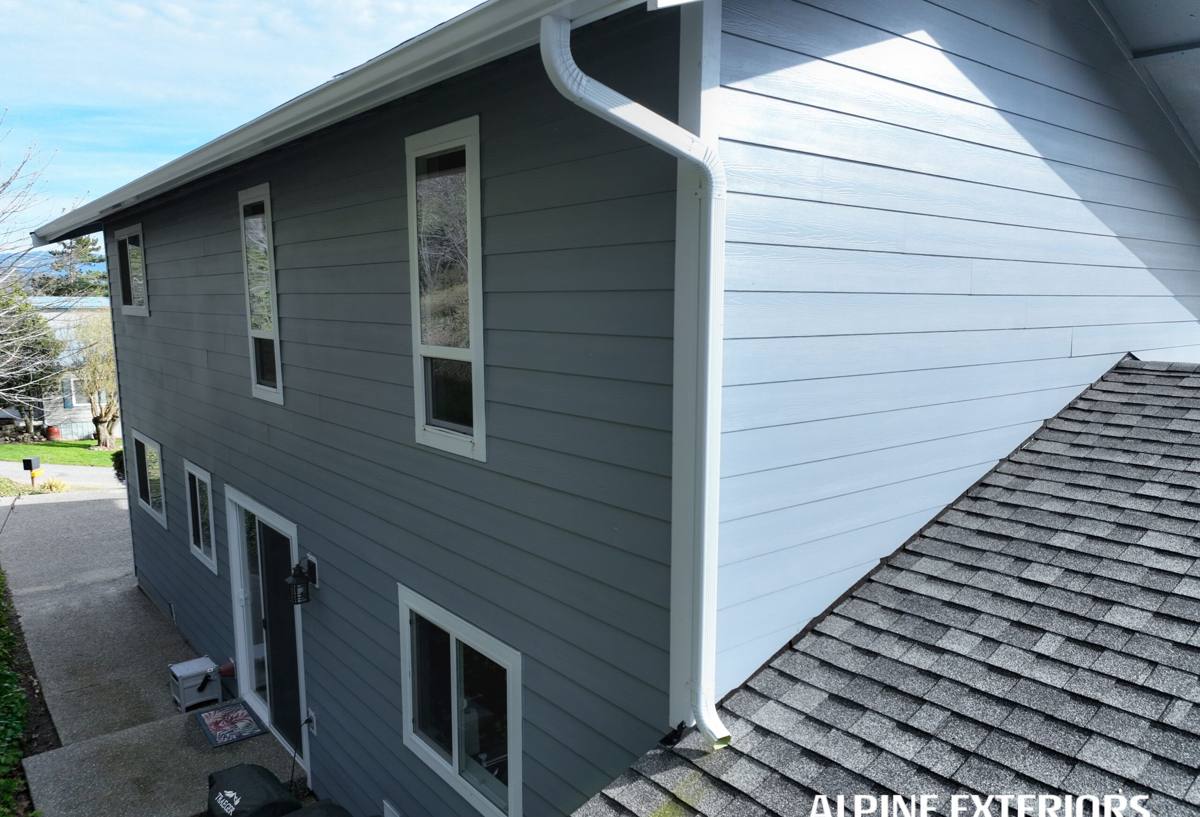
What This Climate Does to a Ferndale Roof
Every region has its own way of wearing out a roof. Around Ferndale, three things do most of the damage over time, and they usually work together rather than one at a time.
Salt Air and Slow Metal Fatigue
Homes closer to the water pick up fine salt in the air, and that salt settles on every metal component on a roof: flashing, fasteners, vent caps, gutter hardware. Ordinary galvanized fasteners and untreated metal flashing corrode faster here than they would inland. It's not dramatic — you won't see it happen — but over ten or fifteen years, corroded fasteners loosen their grip and pitted flashing stops sealing the way it should. That's when small leaks start showing up in places that look fine from the ground.
Driving Rain and Wind-Driven Water
Bellingham-area storms don't always drop rain straight down. Wind pushes it sideways and up under laps, edges, and anything that isn't properly sealed. A roof that would hold up fine in a calmer climate can leak here simply because the underlayment, flashing, or shingle overlap wasn't built for water coming in at an angle. This is one of the most common reasons we find leaks at valleys, chimneys, and roof-to-wall intersections on older Ferndale roofs.
Moss and Sustained Moisture
Shade, humidity, and a long damp season give moss everything it needs to take hold, especially on north-facing slopes and anywhere debris collects. Moss doesn't just look bad — it holds water against the roofing material far longer than rain alone would, and its root structure works into shingle mat and under tabs over time. A roof replacement is the right moment to correct the conditions that let moss establish in the first place, not just install new material that will grow the same moss again in a few years.
Signs a Ferndale Roof Needs Replacement, Not Another Repair
Not every roof problem calls for a full replacement. But there's a point where patching starts costing more than it's worth, and where a repair simply can't address what's actually wrong. Look for:
- Granule loss heavy enough that you can see bare, shiny patches on the shingle surface
- Shingles that are curling, cupping, or cracking across multiple slopes, not just one spot
- Soft or spongy decking felt underfoot in the attic or during an inspection
- Daylight visible through the roof deck from inside the attic
- Leaks that keep reappearing in the same area after repeated repairs
- Moss coverage thick enough that it's lifting shingle edges, not just sitting on the surface
- A roof already past, or close to, the manufacturer's expected service life for this climate
- Visible sagging along the ridge or between rafters
If you're only seeing one or two of these in a small area, a repair may still make sense. If several are showing up at once, that's usually a sign the roof system as a whole has reached the end of its useful life.
What a Correct Roof Replacement Actually Involves
A roof replacement is more than swapping the top layer. Everything underneath matters just as much, especially in a climate that punishes shortcuts.
Tear-Off and Decking Inspection
We remove the existing roofing down to the deck rather than layering over it. That's the only way to actually see the plywood or plank decking underneath, which is where moisture damage from an aging roof usually shows up first. Any soft, delaminated, or rotted decking gets replaced before anything new goes down — installing new roofing over compromised decking just guarantees an early failure.
Underlayment and Moisture Barrier
This layer does more work in a climate like this one than in drier regions. We use underlayment suited to sustained damp conditions, with self-adhering ice-and-water membrane at the eaves, valleys, and any other spot where water is most likely to back up or drive in sideways. This is one of the areas where corners get cut on cheaper jobs, and it's exactly the layer that determines whether wind-driven rain stays out or finds a way in.
Flashing Details
Chimneys, skylights, roof-to-wall transitions, and valleys are where most roof leaks actually start, not the open field of shingles. We install new flashing at every one of these points rather than reusing old pieces, and we pay particular attention to metal quality given how much faster corrosion moves this close to the water.
Ventilation
A roof deck that can't breathe traps moisture from inside the house, which shortens the life of decking and shingles from underneath, regardless of how good the roofing material is. We check intake and exhaust ventilation as part of every replacement and correct it when it's inadequate, which is common on older Ferndale homes built before current ventilation standards.
Choosing Materials for This Climate
There's no single "best" roofing material for every home — it depends on the roof's pitch, the home's structure, your budget, and how much long-term maintenance you're willing to take on. Here's how the common options generally hold up under salt air, driving rain, and moss pressure:
| Material | Moisture & Moss Behavior | Salt Air Durability | Typical Lifespan |
|---|---|---|---|
| Architectural asphalt shingle | Good drainage when properly laid; moss-resistant granule options available | Good with corrosion-resistant fasteners and flashing | 20-30 years |
| Standing seam metal | Excellent shedding of rain and moss resistance on steeper pitches | Requires coated or marine-grade metal near the water; otherwise faster wear | 40-plus years |
| Cedar shake/shingle | Attractive but retains moisture longer, needs more upkeep in damp climates | Moderate; metal fasteners and flashing still need protection | 20-30 years with upkeep |
| 3-tab asphalt shingle | Adequate but less wind and moss resistance than architectural grade | Fair; more sensitive to fastener corrosion over time | 15-20 years |
For most Ferndale homes, architectural asphalt shingle with proper underlayment and flashing offers the best balance of cost, appearance, and performance in this climate. Metal is a strong option where the roof design and budget support it. We'll walk through the honest trade-offs for your specific roof rather than pushing one product for every house.
Our Roof Replacement Process
We keep the process straightforward and communicate at each stage so there are no surprises partway through.
- On-site inspection: We look at the roof, attic, ventilation, and any existing damage before recommending replacement over repair.
- Written estimate: A clear breakdown of materials, labor, and scope, so you know exactly what you're paying for and why.
- Material selection: We go over the options that fit your home, budget, and how much long-term maintenance you want to take on.
- Tear-off and deck inspection: Old roofing comes off, decking is inspected, and any damaged sections are replaced.
- Underlayment, flashing, and ventilation: Every layer beneath the finished surface is installed to hold up to this climate specifically.
- Final install and cleanup: New roofing goes on, the site is cleaned of debris and nails, and we walk the finished roof with you.
Cost Factors in a Ferndale Roof Replacement
Roof replacement costs vary widely based on the specifics of your home. Rather than quote a single number that won't hold up once we're on your roof, here's what actually moves the price:
| Factor | Why It Affects Cost |
|---|---|
| Roof size and pitch | More surface area and steeper slopes mean more material and labor time |
| Decking condition | Rotted or soft decking found during tear-off adds repair before new roofing can go down |
| Number of penetrations | Chimneys, skylights, and vents each need individual flashing work |
| Material choice | Asphalt, metal, and cedar carry very different material and labor costs |
| Layers to remove | Homes with multiple existing roofing layers take longer to tear off |
| Access and site conditions | Steep lots, tree cover, or limited driveway access affect setup and disposal |
Every estimate we give reflects your actual roof, not a generic average, and we'll explain what's driving the number line by line.
Why a Bellingham-Based Crew That Already Works Ferndale Matters
A crew that works this part of Whatcom County regularly knows what to look for before the tear-off even starts: which orientations tend to hold moss, where wind-driven rain typically finds its way in, and which flashing and fastener choices actually hold up near the water instead of corroding early. That familiarity shows up in fewer surprises mid-project and a roof that's built for the conditions it will actually face, not a generic install pulled from a manual written for a drier region. It also means we're not far away if a question comes up after the job is done.
Keeping a New Roof Performing After Install
A correctly installed roof needs less maintenance than an aging one, but "less" isn't "none." A little upkeep goes a long way toward getting the full lifespan out of your investment:
- Clear gutters and downspouts at least twice a year, more often under overhanging trees
- Have moss growth treated or removed before it spreads, rather than after it's established
- Keep overhanging branches trimmed back to reduce shade and debris buildup
- Check attic ventilation isn't blocked by insulation or storage
- Have flashing and fastener condition checked periodically, especially closer to the water
- Address any small leak signs right away rather than waiting for them to spread
If you're seeing signs of an aging roof, or you just want an honest read on whether repair or replacement makes more sense for your Ferndale home, we're glad to come take a look. The estimate is free, there's no pressure, and you'll get a straight answer either way — just use the form below to get started.