 Bellingham Roofing
 Roof Repair in Barkley: What Bellingham Homes Face
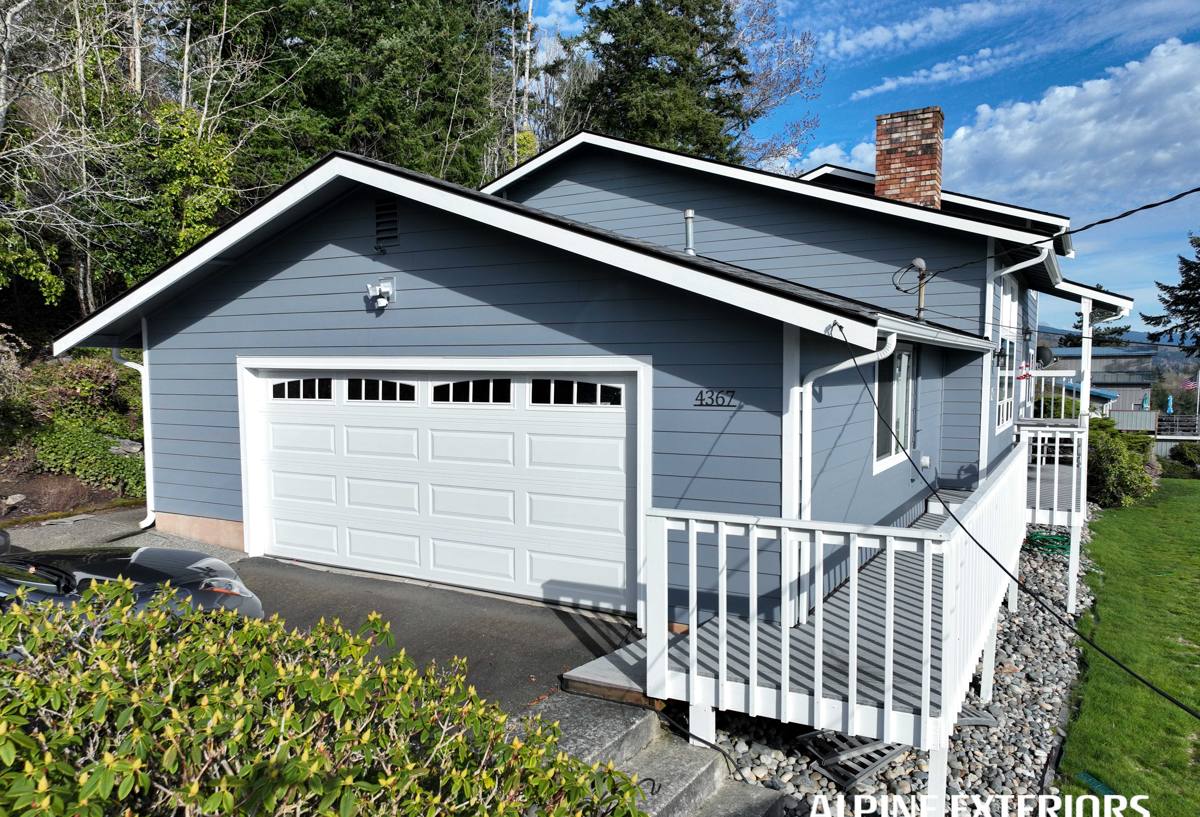
Barkley is one of those parts of Bellingham where you'll find a real mix of roofs — single-family homes, townhomes, and condo buildings, many put up over a similar stretch of years and now hitting similar problem points at similar times. If you own a home here, your roof isn't just fighting age. It's fighting Bellingham Bay's salt-tinged air, long stretches of driving rain off the Sound, and a moss season that, in Whatcom County, barely takes a break. A repair that works in a drier climate often doesn't hold up here, which is why "close enough" flashing work or a mismatched shingle patch tends to fail again within a year or two.
This page is about roof repair specifically — not full replacement — for homes in and around Barkley. We'll cover what actually damages roofs in this pocket of Bellingham, how to tell a repairable problem from one that's outgrown a patch, and what a correct repair looks like when it's done right the first time.
Why Barkley's Roofs Wear Differently Than You'd Expect
Every roof in Whatcom County deals with rain. What makes local repair work different is the combination of factors stacking on top of each other, often on the same roof at the same time.
Salt Air and Metal Fasteners
Bellingham's proximity to the bay means a low but steady level of salt in the air, especially on west-facing slopes. Over years, that air accelerates corrosion on exposed nails, flashing edges, and any metal that isn't properly coated or sealed. A repair that uses bare or under-galvanized fasteners might look fine going in, but it can start rusting and backing out well before the surrounding roofing material is due for attention.
Moss Under the Canopy
Barkley has enough mature tree cover nearby that shaded roof sections stay damp far longer than sections in full sun. Moss doesn't just sit on top of shingles — it works under tabs and granule layers, holds moisture against the roof deck, and gradually lifts material it's rooted into. By the time moss is visible from the ground, it's usually already doing damage you can't see.
Driving Rain and Wind-Driven Water
Storms coming off the water don't always fall straight down. Wind-driven rain finds its way sideways under loose shingle tabs, around poorly lapped flashing, and into any gap that would stay dry in calmer weather. Most of the emergency repair calls we get after a Whatcom County storm trace back to one of these entry points, not a dramatic failure of the whole roof.
Signs Your Roof Needs Repair, Not a Full Replacement
Not every problem means a new roof. Most of what we see in Barkley is fixable if it's caught before water has had time to reach the deck or framing. Watch for:
- A stain on an interior ceiling or wall, even a small one that appears only during heavy rain
- Granules collecting in gutters or at downspout outlets
- Shingles that look curled, cupped, or darker than the rest of the roof
- Visible moss or thick moss growth concentrated on shaded slopes
- Flashing that looks lifted, gapped, or rusted around chimneys, vents, or skylights
- Missing or torn shingles after a windstorm
- Daylight visible through the attic roof deck
- Soft or spongy spots when walked (only a roofer should check this)
Any one of these on its own is usually a repair. Several of them together, or damage spread across multiple roof planes, is when we start talking about whether repair still makes sense compared to replacement.
What a Correct Roof Repair Actually Involves
Diagnosis Before Anything Gets Touched
A repair is only as good as the diagnosis behind it. Water can travel along a rafter or underlayment for several feet before it shows up as a stain, so the spot on your ceiling is rarely the spot on the roof that needs work. We trace the path back to the actual entry point before opening anything up — patching where the water appears indoors instead of where it enters the roof is the most common reason repairs don't hold.
Matching Materials, Not Just Covering the Hole
A repair patch that doesn't match the existing shingle's profile, color, or wear level stands out and often performs differently in weather too — different expansion, different water-shedding angle. Where we can't get an exact match, we place repair material where it blends reasonably and won't create a new water path of its own.
Flashing Gets Fixed Before Shingles Do
Most roof leaks in this area start at flashing — around chimneys, skylights, vent pipes, and roof-to-wall transitions — not in the open field of shingles. Replacing a few shingles without correcting the flashing underneath just delays the same leak. Any proper repair addresses flashing first, then the surrounding roofing material.
Common Barkley Roof Repairs at a Glance
| Repair Type | Typical Cause Here | What's Involved |
|---|---|---|
| Flashing repair or replacement | Corrosion from salt air, wind lifting edges | Remove and reset flashing, reseal transitions, replace corroded metal |
| Shingle patch or section replacement | Wind damage, moss lifting tabs | Remove damaged shingles, inspect underlayment, install matched material |
| Moss and debris treatment | Shaded, moisture-holding roof planes | Careful removal, treatment application, gutter and valley clearing |
| Valley or transition repair | Concentrated water flow during heavy rain | Reline or reseal valley metal, check underlayment condition |
| Vent and pipe boot repair | Rubber boots cracking with age and UV exposure | Replace boot seal, check surrounding shingles for water tracking |
Costs vary depending on roof pitch, access, and how much of the underlayment or decking is affected once we open things up, so we'd rather give you a number after a look than guess one here.
Our Repair Process, Start to Finish
- Inspection of the affected area and a check of the whole roof for related issues, since one problem often points to another
- A clear explanation of what we found, in plain terms, before any work starts
- A written estimate that separates the repair itself from any related items we'd recommend but that aren't required right now
- The repair, done to match existing materials as closely as possible and sealed against the specific weather pattern that caused the damage
- A final check from the ground and, where relevant, from inside the attic to confirm the fix is holding
Why a Crew That Already Works Barkley Matters
Roofing crews that mostly work drier climates tend to under-detail flashing and underlayment because they can get away with it where they're from. That doesn't work in Whatcom County. A crew that repairs roofs around Bellingham regularly already knows which slopes in a given neighborhood hold moss longest, which flashing details tend to fail first under wind-driven rain, and which shortcuts show up as callbacks a year later. That familiarity shows up as fewer surprises and fewer repeat visits, not as anything flashy — it's just steadier work.
It also matters for timing. Storm damage doesn't wait for a convenient week, and a crew already working in the area can usually get to an active leak faster than one driving in from outside the county.
Materials and Repair Choices That Hold Up Here
We use standard, well-established roofing materials for repairs — matched to what's already on your roof wherever possible — and pay particular attention to a few details that matter more in this climate than in most:
- Corrosion-resistant fasteners and flashing metal, given the salt air near the bay
- Self-sealing or hand-sealed underlayment laps at any repair edge, so wind-driven rain can't work its way in sideways
- Moss-resistant treatment options on shaded slopes where regrowth is likely, discussed honestly as a maintenance step rather than a permanent fix
- Proper drip edge and valley detailing, since concentrated water flow is where a lot of local repairs originate
We're straightforward if a full section replacement is the more honest recommendation instead of a patch — a repair that's cheaper today but likely to fail again within a season isn't a good use of your money, and we'll say so.
Simple Maintenance That Extends the Life of a Repair
A good repair lasts longer with a small amount of upkeep, especially in a climate that never fully dries out:
- Clear gutters and valleys of needles and debris each fall, before the heavy rain sets in
- Have shaded slopes checked for moss regrowth every year or two
- Trim back branches that keep a section of roof in constant shade or drop debris directly onto it
- After any major windstorm, do a visual check from the ground for missing or lifted shingles
- Address small leaks as soon as they're noticed rather than waiting for the next dry spell
If you're seeing signs of a leak, moss buildup, or storm damage on a Barkley roof, we're happy to take a look and give you a straightforward, no-pressure estimate — just fill out the form below and we'll get back to you.