 Bellingham Roofing
 Asphalt Shingle Roofing Built for Sehome's Climate
Sehome sits on a hillside close to Bellingham Bay, wrapped in mature trees and within a short walk of Western Washington University. That mix of elevation, tree cover, and coastal exposure makes it one of the tougher neighborhoods in Whatcom County for a roof to hold up in. Salt-laden air off the bay, driving rain that comes in sideways during winter storms, and a moss season that can stretch eight months or longer all put real, measurable stress on an asphalt shingle roof. A roof that would perform fine in a drier inland climate can age faster here if it wasn't installed with these conditions in mind.
This page covers what an asphalt shingle roof actually needs to hold up on a Sehome home, what a correct installation or repair involves, and how we approach the job when we work in this neighborhood.
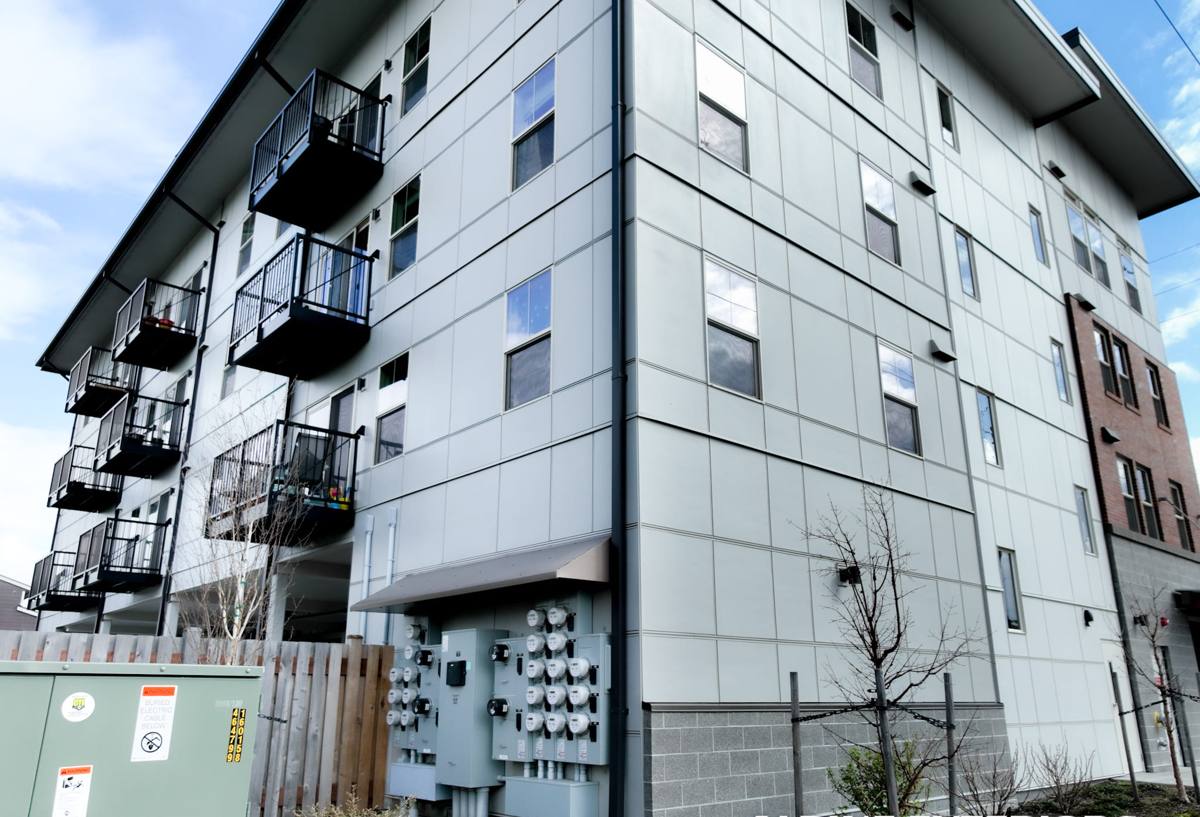
Why Sehome Is Hard on Asphalt Shingles
Salt Air and Metal Fatigue
Homes closer to the water pick up airborne salt that settles on roofing metal — flashing, drip edge, exposed fasteners, and vent caps. Over years, that salt exposure accelerates corrosion on lower-grade or improperly coated metal, which is often where a roof starts leaking long before the shingles themselves wear out. It's not usually the shingle field that fails first near the bay — it's the metal details around it.
Driving Rain and Wind-Driven Water
Bellingham's winter storms don't just drop rain straight down; wind pushes it sideways and up under shingle edges, especially on exposed slopes and around penetrations like pipe boots, skylights, and chimneys. A roof system that relies on shingles alone to shed water, without proper underlayment and flashing detail, will eventually let water find its way in through these vulnerable transition points.
Moss, Shade, and a Long Wet Season
Sehome's tree canopy is part of what makes the neighborhood attractive, but shaded, north-facing roof slopes stay damp for much of the year. That's exactly the environment moss needs to establish. Once moss takes hold, it lifts shingle edges, holds moisture against the roofing surface, and speeds up granule loss — which shortens the usable life of an otherwise sound roof.
What a Correct Asphalt Shingle Roof Needs Here
An asphalt shingle roof that's going to perform well in this specific environment needs more than just quality shingles nailed down correctly. The system underneath and around the shingles matters just as much, if not more, in a climate like this.
- Full synthetic underlayment as a secondary water barrier, not just felt paper, especially on lower-pitch sections
- Ice-and-water shield at eaves, valleys, and around every penetration, where wind-driven rain and moss buildup are most likely to cause problems
- Corrosion-resistant flashing and fasteners rated for coastal exposure, not standard-grade materials that degrade faster in salt air
- Balanced attic ventilation so moisture from inside the home doesn't condense against the roof deck and add to the moisture load from outside
- Proper nailing pattern and shingle exposure so the roof holds up to sustained wind rather than just meeting minimum code
Skipping any one of these doesn't always show up as a problem right away — it shows up two, five, or ten years later as a leak, premature granule loss, or moss damage that could have been prevented.
Common Issues We Find on Sehome Roofs
Because we work in this neighborhood regularly, certain problems come up over and over on inspections:
- Moss colonies on shaded north- and east-facing slopes that have lifted shingle tabs and trapped moisture underneath
- Rusting or corroding flashing and vent caps on homes with bay exposure, well before the shingles themselves are due for replacement
- Water staining in attics traced back to worn or missing ice-and-water shield around chimneys and skylights
- Granule loss and shingle curling on roofs that are 15 to 20+ years old, especially where gutters have been neglected and debris holds moisture against the eaves
- Undersized or blocked attic ventilation contributing to premature aging from the underside of the deck
None of these are unusual for the climate — they're the predictable result of asphalt shingle roofing being exposed to Bellingham's coastal, wet, and shaded conditions over time. The point isn't that asphalt shingles are a bad choice for this area; they're a solid, cost-effective option when installed and maintained correctly for what this climate actually does to a roof.
Our Process for Asphalt Shingle Work in Sehome
Inspection and Honest Assessment
We start by getting on the roof, not just looking from the ground. We check shingle condition, flashing integrity, moss and algae growth, attic ventilation, and any signs of water intrusion. We'll tell you plainly whether you're looking at a repair, a partial re-roof, or a full replacement — and why.
Tear-Off and Deck Inspection
For a full replacement, we remove existing roofing down to the deck so we can check for soft spots, rot, or prior water damage that's often hidden under old shingles. Any compromised decking gets replaced before new roofing goes down — installing new shingles over a damaged deck just hides a problem instead of fixing it.
Underlayment, Flashing, and Ice-and-Water Shield
This is where a roof's real weather resistance comes from. We install synthetic underlayment across the field, ice-and-water shield at eaves, valleys, and penetrations, and new flashing sized and sealed for this climate — not reused or patched flashing from the old roof.
Shingle Installation
Shingles go down with the manufacturer's specified nailing pattern and exposure, checked against wind ratings appropriate for a coastal-influenced area. We pay particular attention to valleys, hips, and ridge lines, since these are the areas most exposed to wind-driven rain.
Ventilation and Cleanup
We confirm intake and exhaust ventilation are balanced so the attic can dry out properly year-round. When we're done, we do a full site cleanup, including a magnetic sweep for stray fasteners.
Repair or Full Replacement? How We Decide
Not every roofing problem in Sehome means a full tear-off. We look at the age of the roof, how widespread the damage or moss coverage is, the condition of the decking, and whether the underlying issue is isolated (a bad flashing detail, a localized leak) or systemic (widespread granule loss, failing underlayment across the whole roof). A roof under 12–15 years old with an isolated issue is often a good repair candidate. A roof past its expected service life with moss damage spread across multiple slopes, or with underlayment failures showing up in more than one spot, usually isn't worth chasing with repeated repairs.
Factors That Affect Cost and Scope
| Factor | Why It Matters in Sehome |
|---|---|
| Roof pitch and complexity | Steeper, cut-up roofs with multiple valleys take longer and need more flashing detail to handle wind-driven rain |
| Number of existing layers | Older homes may have layers to remove before a clean tear-off can happen |
| Deck condition | Hidden rot or soft spots found during tear-off add material and labor to bring the deck back to a solid nailing surface |
| Ventilation upgrades needed | Homes with inadequate intake or exhaust venting often need vent additions to meet current standards and protect the new roof |
| Tree cover and access | Mature trees common in Sehome can mean more careful staging, tarping, and debris management during the job |
| Shingle class selected | Standard three-tab, architectural, and impact-rated shingles carry different material and labor costs |
Choosing the Right Shingle for This Environment
Not all asphalt shingles perform the same in a wet, wind-exposed, tree-covered environment like Sehome. We generally steer homeowners toward architectural (dimensional) shingles over basic three-tab products for this climate — they're heavier, have a higher wind rating, and tend to shed wind-driven rain better because of their layered profile. Where budget allows, algae-resistant shingle lines are also worth considering given how much shaded, damp roof surface exists in this neighborhood; they won't stop moss on their own, but they help slow the dark streaking caused by algae growth, which is a related but separate problem from moss.
Comparing Common Options
| Shingle Type | Typical Lifespan | Best Fit For |
|---|---|---|
| Three-tab | Shorter end of the range | Budget-driven projects on simpler roof shapes |
| Architectural / dimensional | Mid-to-long range | Most Sehome homes — better wind performance and appearance |
| Impact-rated | Comparable to architectural, with added durability | Homes wanting extra resistance to debris impact from wind and falling branches |
We'll walk through these tradeoffs with you directly rather than pushing one product line — the right choice depends on your roof's exposure, your budget, and how long you plan to be in the home.
Moss and Maintenance: Protecting the Investment
A new roof, or a well-repaired existing one, only stays that way with some basic upkeep — especially under Sehome's tree cover.
Homeowner Maintenance Checklist
- Have gutters cleared of leaves and needles at least twice a year, more often under heavy tree cover
- Watch shaded, north-facing slopes for early moss growth and address it before it spreads across the roof
- Avoid pressure-washing shingles — it strips granules and shortens shingle life; moss and debris removal should be done with soft, low-pressure methods
- Trim back overhanging branches to reduce shade, debris buildup, and physical contact with the roof surface
- Schedule a roof inspection after major windstorms to check for lifted or displaced shingles and flashing damage
- Check attic ventilation periodically to make sure vents haven't been blocked by insulation, debris, or pests
None of this is complicated, but skipping it is one of the most common reasons a roof underperforms its expected lifespan in this kind of climate.
Why Local Experience in Sehome Matters
A roofing crew that hasn't worked much on Bellingham's coastal, tree-covered neighborhoods can miss the details that matter here — under-specifying flashing for salt exposure, skipping ice-and-water shield in areas that don't strictly require it by code but clearly need it given the moss and rain patterns, or not accounting for the shade and debris load from mature trees. Working regularly in Sehome means we've already seen how roofs in this specific setting age, fail, and hold up — and we build that knowledge into every inspection, repair, and installation instead of treating every roof like it's in a generic climate zone.
If you're dealing with moss buildup, a leak, or a roof that's simply getting old, we're happy to take a look and give you a straightforward, no-pressure assessment of what your roof actually needs. Use the form below to request a free estimate for your Sehome home.