 Bellingham Roofing
 Siding Replacement for York Homes in Bellingham
York is one of Bellingham's older, well-established residential pockets, and like most neighborhoods in this part of Whatcom County, its housing stock spans several decades of construction styles and siding choices. What almost every York home has in common is exposure to the same punishing combination of coastal weather: salt-laden air drifting in off Bellingham Bay, driving rain that comes in sideways during fall and winter storms, and a moss season that can stretch from October well into spring. Siding here doesn't fail because it's old — it fails because it was never built, installed, or maintained for this specific climate.
This page focuses on one thing: what a proper siding replacement looks like for a York home, why the materials and installation details matter more here than in drier climates, and how our crew approaches these projects from first inspection to final walk-through.
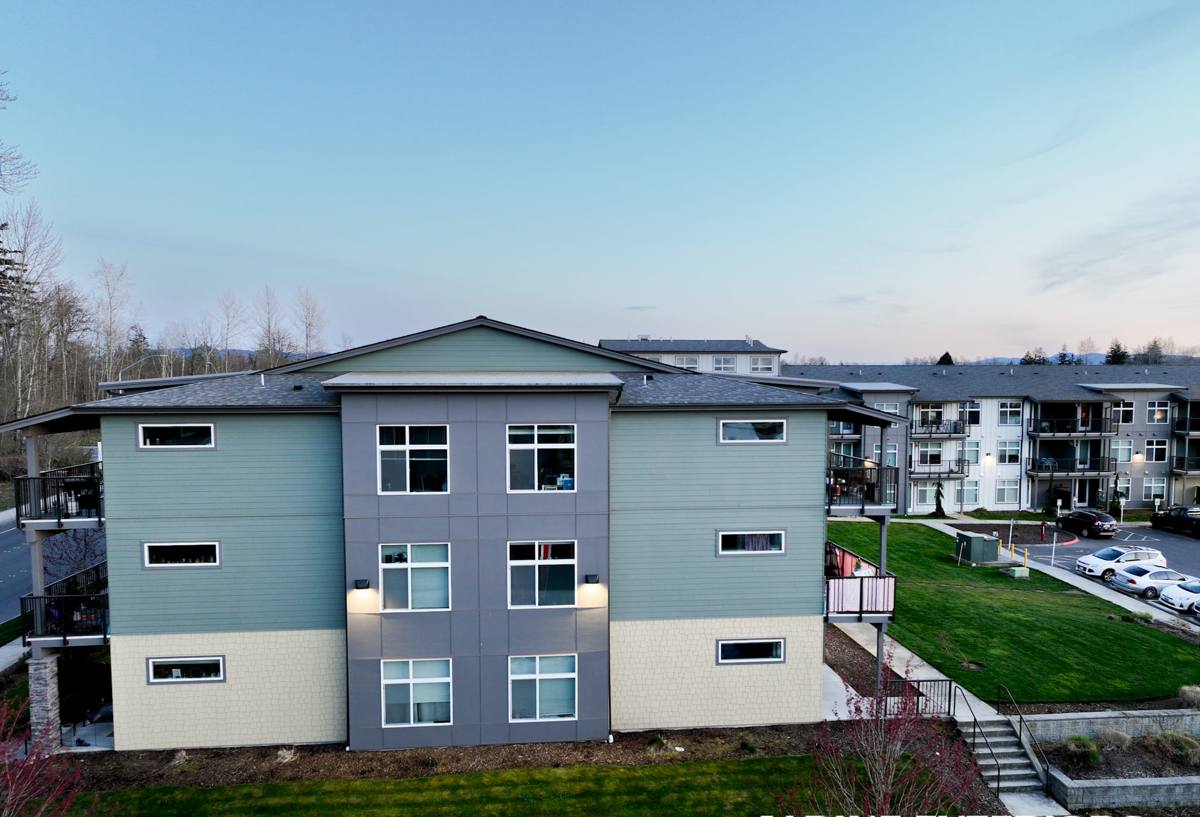
Why Bellingham's Climate Is Hard on Siding
Salt Air and Moisture
Homes closer to Bellingham Bay deal with a slow, steady mineral load in the air that accelerates corrosion on fasteners, trim, and any siding product that isn't engineered to resist it. Over years, that salt exposure can pit metal flashing, degrade paint films, and speed up the breakdown of wood-based products at seams and end cuts.
Driving Rain
Whatcom County doesn't just get a lot of rain — a meaningful share of it arrives wind-driven, which pushes water sideways into laps, seams, and butt joints that a calm, straight-down rain would never reach. Siding systems and flashing details that work fine in a mild climate can leak here if they weren't installed with wind-driven rain specifically in mind.
Moss and Shade
York's mature tree canopy is one of the neighborhood's best features and one of its siding's biggest challenges. Shaded, damp siding stays wet longer after every rain event, and moss and algae take hold readily on surfaces that don't dry out and shed water quickly. Left unaddressed, that constant moisture holds against the siding surface and works its way into seams, fasteners, and eventually the wall assembly behind it.
Signs a York Home Needs Siding Replacement, Not Just Repair
Not every siding problem calls for a full tear-off. But in this climate, small issues tend to compound quickly once moisture gets behind the cladding. Here's what tells us a home has crossed the line from "repairable" to "replace it now, before it gets worse and more expensive":
- Soft, spongy, or crumbling siding when pressed, especially near the bottom courses or under windows
- Persistent moss or dark streaking that returns within weeks of cleaning
- Paint that's bubbling, peeling, or won't hold regardless of how recently it was applied
- Visible gaps, warping, or cupping boards, particularly on the north and west-facing walls that stay wet longest
- Interior signs like musty smells, discolored drywall, or soft trim near exterior walls
- Siding that's original to a home built before modern water-resistive barrier requirements
- Rot or insect damage discovered during a repair that turns out to be more widespread once opened up
If you're seeing two or more of these, it's worth a professional look before winter rains make the decision for you.
What a Correct Siding Replacement Actually Involves
Siding replacement isn't just swapping old boards for new ones. The materials you see are the last layer of a system, and in a climate like Bellingham's, the layers underneath matter as much as the finish.
The Water-Resistive Barrier
A properly lapped, sealed weather-resistive barrier (WRB) goes on the wall sheathing before any siding. Every penetration — outlets, hose bibs, light fixtures, vents — needs to be flashed and sealed back into that barrier, not just caulked over. This is the layer that actually keeps a home dry if wind-driven rain gets past the siding face, and it's the layer that's most often shortcut on a rushed job.
Flashing at Every Transition
Windows, doors, deck ledgers, roof-to-wall intersections, and horizontal trim all need flashing detailed to shed water outward and downward, never trapping it against the wall. In a high-rain area like Whatcom County, these details are where most siding failures actually originate — not in the field of the siding itself.
Proper Fastening and Clearances
Fiber cement siding has specific fastener spacing, nail-penetration, and clearance requirements — including keeping the bottom edge of the siding a proper distance above grade, decks, and roof lines so it never sits in standing water or splash-back. Skipping these clearances is one of the most common causes of premature rot we see when we tear off older siding in this area.
Ventilation Behind the Cladding
Depending on the wall assembly, a rainscreen gap or furring strategy can give moisture that does get past the siding a path to drain and dry out instead of sitting against the sheathing. This matters more on shaded, moss-prone walls than on ones that get regular sun and airflow.
Why We Install Only James Hardie Fiber Cement
We don't install vinyl, LP SmartSide, primed spruce, cedar, or other fiber cement brands. That's a deliberate standard, not a sales preference. In a coastal, high-moisture, high-moss climate like Bellingham's, the products we've chosen not to install each carry trade-offs that matter here specifically: vinyl expands, contracts, and can warp or crack in wind and temperature swings, and it doesn't hold paint if a homeowner wants to update the color later. Wood-based and engineered-wood siding products are more sensitive to sustained moisture exposure at cut ends and seams, which is exactly the failure point our climate stresses hardest.
James Hardie fiber cement is non-combustible, dimensionally stable, and manufactured with a factory-applied ColorPlus finish that's formulated to hold up to UV and moisture exposure far longer than field-applied paint. Hardie's HZ5 product line is engineered specifically for climates with freeze-thaw cycling and high moisture, which describes Whatcom County's winters well. It's backed by a strong, transferable manufacturer warranty — but that warranty depends on correct installation, which is why the installation details above matter as much as the material choice itself.
Our Siding Replacement Process
1. On-Site Inspection and Assessment
We walk the full exterior, check for hidden moisture and sheathing damage, and identify problem areas — shaded walls, poor original flashing, grade clearance issues — specific to the home.
2. Tear-Off and Sheathing Check
Old siding comes off down to the sheathing so we can actually see what's underneath. Any soft or water-damaged sheathing gets repaired or replaced before anything new goes back on — covering damaged sheathing with new siding just hides the problem.
3. WRB and Flashing Installation
New water-resistive barrier goes up, lapped correctly, with every window, door, and penetration properly flashed before siding installation begins.
4. James Hardie Installation to Spec
Siding, trim, and fasteners go in following Hardie's published installation guidelines — correct nail spacing, clearances above grade and hard surfaces, and properly sealed joints — so the manufacturer's warranty is actually valid if it's ever needed.
5. Final Walk-Through
We review the finished work with the homeowner, point out anything worth knowing for long-term care, and answer questions before calling the job done.
Comparing Siding Options for Whatcom County Homes
| Factor | James Hardie Fiber Cement | Vinyl | Engineered Wood (LP SmartSide) | Cedar |
|---|---|---|---|---|
| Moisture resistance | Engineered for wet climates (HZ5 line) | Sheds water but seams can trap it | Sensitive at cut edges and seams | Requires diligent sealing and upkeep |
| Moss/algae resistance | Factory finish resists staining | Prone to algae growth in shade | Moderate; depends on coating | Absorbs moisture, moss-prone in shade |
| Salt air durability | Non-combustible, stable finish | Can become brittle over time | Coating can degrade faster near salt air | Weathers and grays without upkeep |
| Repaintable | Yes, holds paint well if desired | Difficult; limited color options | Yes, with proper prep | Yes, but needs frequent recoating |
| Fire rating | Non-combustible | Combustible | Combustible | Combustible |
| Typical lifespan when installed to spec | 30+ years | 20-30 years | 20-30 years | 20-30 years with regular maintenance |
What Affects the Cost of a Siding Replacement in York
Every home is different, and we won't quote a number without seeing the house, but these are the main factors that move a siding replacement estimate up or down:
| Cost Factor | Why It Matters |
|---|---|
| Home size and wall area | More square footage means more material and labor |
| Condition of existing sheathing | Rot discovered during tear-off adds repair scope |
| Number of stories and access | Second-story and steep-lot homes take longer and need more equipment |
| Trim, corners, and detail work | Homes with more architectural detail take more time to finish correctly |
| Color and finish selection | Factory ColorPlus finishes vary slightly in cost by line and color |
| Removal and disposal of old siding | Older materials sometimes require special handling |
Homeowner Checklist Before Your Estimate
- Note any rooms with musty smells, soft trim, or interior staining near exterior walls
- Look for shaded or north-facing walls where moss or dark streaking keeps coming back
- Check how close siding sits to grade, decks, and roof lines
- Think about whether you want to keep your current color or change it
- Have a rough sense of your timeline, especially if you'd like work done before the wet season
Why a Crew That Already Works York Matters
York's mix of home ages, lot slopes, and mature landscaping means no two siding jobs here look quite the same. A crew that's worked this neighborhood already understands the practical realities — where moss tends to build up fastest, how tree cover affects drying time after a job, and how to sequence work around Bellingham's wetter months so materials and fresh work aren't sitting exposed longer than necessary. That local familiarity doesn't replace a careful on-site inspection of your specific home, but it does mean fewer surprises and a crew that's seen how this climate treats siding over time, not just in a brochure.
If you're weighing a siding replacement for your York home, we're glad to take a look and walk you through what we find — no pressure, no obligation. Use the form below to request a free estimate.