 Bellingham Roofing
 Why Silver Beach Homes Need Siding Built for This Exact Climate
Silver Beach sits close enough to the water that homes here take a different kind of weathering than siding fifteen minutes inland. Salt-laden air works on fasteners, trim, and paint film year-round. Driving rain off Bellingham Bay hits walls at an angle, not straight down, which means it finds gaps that a calmer climate would never expose. And Whatcom County's long, damp shoulder seasons — the stretch from October through April when surfaces rarely fully dry out — turn north-facing walls and shaded corners into moss and algae magnets if the siding system doesn't shed water and dry out properly.
Board and batten siding is a great architectural fit for a lot of Silver Beach homes — craftsman cottages, modern farmhouse remodels, and newer builds that want strong vertical lines and deep shadow reveals. But the style only holds up if the material underneath the battens is chosen and installed with this specific combination of salt exposure, wind-driven rain, and moss pressure in mind. That's the whole point of this page: not board and batten in general, but board and batten done right for this neighborhood.
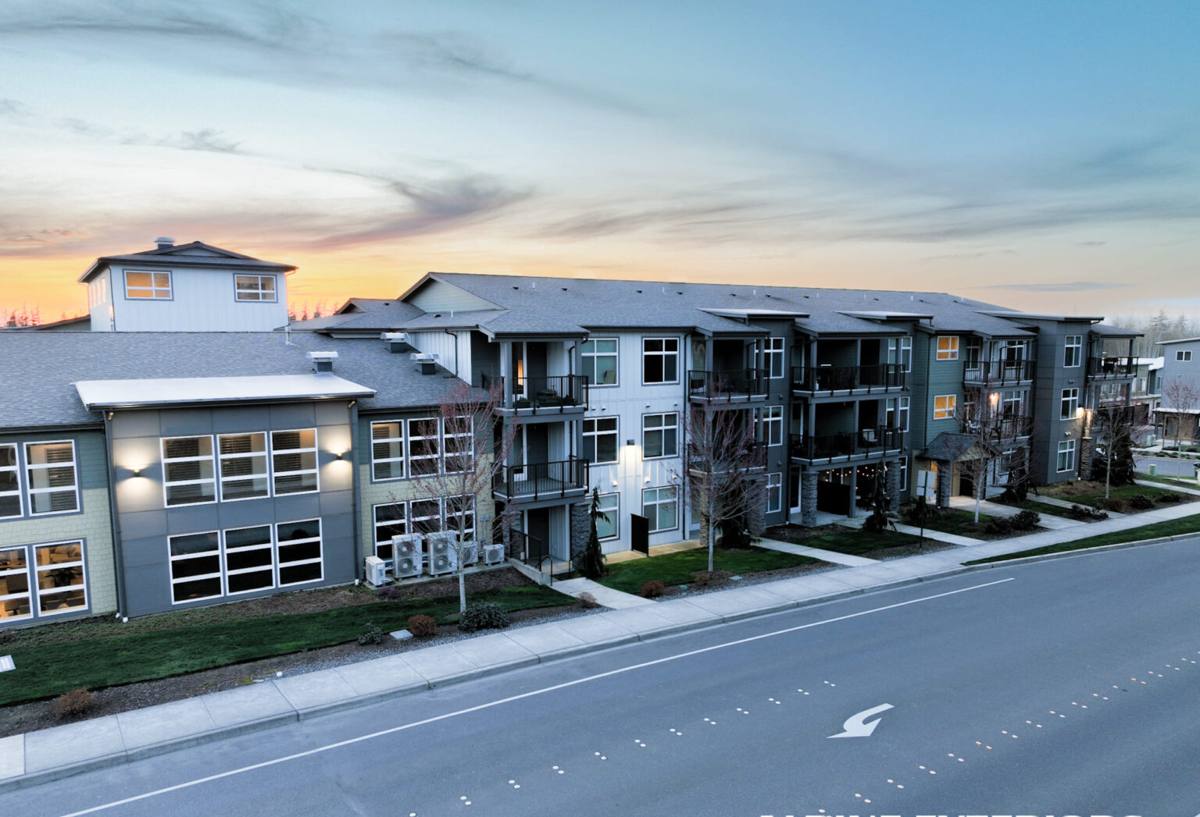
What Board & Batten Actually Is — and Why the Details Matter Here
Board and batten is a vertical siding pattern: wide flat panels (the "boards") installed with narrower strips (the "battens") covering the seams between them. It's one of the oldest siding styles in the Pacific Northwest, originally used on barns and simple homesteads because it was fast to install and shed rain well on a steep pitch. Modern versions keep the look but ask a lot more of the materials — tighter reveals, crisp corners, and a finish that's expected to look sharp for decades, not just function.
The Two Things That Make or Break It
Two variables decide whether board and batten performs in a place like Silver Beach: what the panels are made of, and how the seams and fasteners are detailed. Get either one wrong and the failure shows up in predictable places — batten edges, bottom courses near grade, and any wall that catches driving rain off the water.
Why We Install James Hardie and Nothing Else
We get asked, fairly often, why we don't offer LP SmartSide, vinyl board and batten, or primed cedar and spruce boards alongside Hardie. The honest answer is that we used to see enough of what those materials do after a few Whatcom County winters that we stopped installing them.
- Primed wood (cedar or spruce) board and batten looks beautiful going up, but wood is dimensionally active — it swells and shrinks with moisture cycles, and in a salt-air, high-rain environment that movement opens joints, cracks paint film, and invites rot at the battens and bottom edge faster than most owners expect.
- Vinyl board and batten is low-maintenance in the sense that it doesn't rot, but it's a thin, flexible material with visible expansion gaps, and it can't hold the crisp, deep-shadow-line look that makes board and batten attractive in the first place. Cold snaps also make it brittle.
- LP SmartSide is an engineered wood product — better moisture resistance than raw lumber, but it's still wood-based at its core, meaning the edges and cut ends need diligent sealing and ongoing vigilance in a wet marine climate, or moisture eventually finds its way in.
James Hardie fiber cement is what we standardized on because it doesn't share those weaknesses. It's non-combustible, it doesn't swell and shrink with humidity the way wood does, and Hardie's HZ5 product line is engineered specifically for climates like ours — freeze-thaw cycles, sustained moisture, and coastal exposure. The factory-applied ColorPlus finish is baked on under controlled conditions, which holds color and resists the chalking and fading that field-applied paint struggles with here. That's the whole case in one sentence: we install Hardie because we've watched what the alternatives do to Whatcom County homes over time, and we'd rather build something that doesn't need to be revisited in five years.
What a Correct Board & Batten Installation Involves
Board and batten hides its installation quality better than horizontal lap siding does — a sloppy job can look fine for the first year or two before the details start to fail. The parts that actually matter are mostly invisible once the job is done.
Rainscreen Gap
A drainable housewrap or furring strips behind the panels create a small air gap between the siding and the wall sheathing. That gap lets any moisture that does get past the surface drain and evaporate instead of sitting against the wall assembly — critical in a climate where walls rarely get a long dry stretch to recover.
Flashing at Every Transition
Windows, doors, roof-to-wall intersections, and the bottom termination at grade all need proper flashing and sealant, not just a bead of caulk at the surface. Driving rain off the water finds the one detail that was skipped, and it usually finds it at a transition point, not the middle of a flat wall.
Fastener Choice and Placement
In a salt-air environment, fastener corrosion is a real long-term issue if the wrong hardware gets used. Corrosion-resistant fasteners, installed per Hardie's spec for spacing and blind-nailing where the design allows it, keep rust streaks and loosening from showing up at the battens years down the road.
Batten Spacing and Panel Gaps
Fiber cement still needs expansion gaps at panel ends and manufacturer-specified batten spacing. Installers who rush this step end up with buckling or hairline cracking at seams after the first big seasonal humidity swing.
Our Process for Silver Beach Projects
The process is the same discipline on every job, adjusted for what a given Silver Beach home's exposure actually looks like.
- On-site assessment — we look at wall orientation relative to prevailing wind and rain, existing moisture damage, moss and algae staining patterns, and the condition of trim, soffits, and flashing that will interact with the new siding.
- Prep and removal — old siding comes off, sheathing gets inspected for hidden rot (common at old butt joints and window corners on homes that have taken years of wind-driven rain), and any damaged framing or sheathing is repaired before anything new goes up.
- Weather-resistive barrier and rainscreen — drainable housewrap and furring go on correctly the first time, since this layer is impossible to fix after the siding is closed up.
- Hardie panel and batten installation — installed to Hardie's published fastening, spacing, and clearance specifications, not shortcuts that only show up as problems later.
- Flashing, caulking, and trim detail — every penetration and transition gets sealed correctly, with materials rated for the exposure.
- Final walkthrough — we go over the finished work with the homeowner before calling the job done.
Cost Factors for Board & Batten in Silver Beach
Board and batten pricing depends on more than square footage. These are the factors that move the number most on real Silver Beach projects:
| Factor | Why It Matters Here |
|---|---|
| Wall exposure and orientation | Walls facing prevailing wind and rain need more careful flashing and rainscreen detailing, adding labor time |
| Existing sheathing condition | Homes with hidden moisture damage from prior siding need repair before new panels go on |
| Batten spacing and reveal design | Tighter, more custom reveals take more layout and fastening time than standard spacing |
| Trim and transition complexity | Homes with more windows, dormers, or roof-to-wall intersections require more flashing detail per square foot |
| Access and site conditions | Sloped lots and tight setbacks near the water can affect staging and scaffolding needs |
We give exact numbers only after walking the specific home — anyone quoting board and batten sight-unseen is guessing at half of what actually drives the price.
Living With Board & Batten Siding in This Climate
Fiber cement board and batten is genuinely low-maintenance compared to wood, but "low-maintenance" doesn't mean "no maintenance" in a marine climate with a long moss season. A yearly rinse-down keeps algae and moss from taking hold in shaded, north-facing corners. Gutters and downspouts need to stay clear so water isn't sheeting down wall faces it shouldn't touch. And it's worth a walk around the home each fall to check caulking at trim and window transitions — sealant is the one component that ages faster than the siding itself and is cheap to renew before it fails.
What to Watch For
- Dark streaking or green tint at battens on shaded walls — early moss/algae growth, easiest to address before it spreads
- Hairline cracking at panel seams — often a sign of missing expansion gaps from the original install
- Rust streaking below fastener heads — a sign the wrong hardware was used for a coastal-exposure environment
- Soft or discolored trim at the base of walls near grade — early rot indicator, worth checking before it spreads to the sheathing
Why Hiring a Crew That Already Works Silver Beach Matters
General siding experience isn't the same as experience with this specific stretch of Whatcom County. A crew that's worked walls facing the water knows which orientations need extra flashing attention before they even climb the ladder. They've already seen what happens when a rainscreen gap gets skipped on a home two streets over, and they don't repeat that mistake on yours. That local pattern recognition — not a sales pitch — is what actually protects a board and batten installation for the next thirty years.
If you're weighing board and batten siding for a Silver Beach home, we're happy to walk the property, look at what your walls are actually dealing with, and put together a straightforward, no-pressure estimate. There's a form below — reach out and we'll take it from there.