 Bellingham Roofing
 Building Decks for Silver Beach's Wooded, Damp Setting
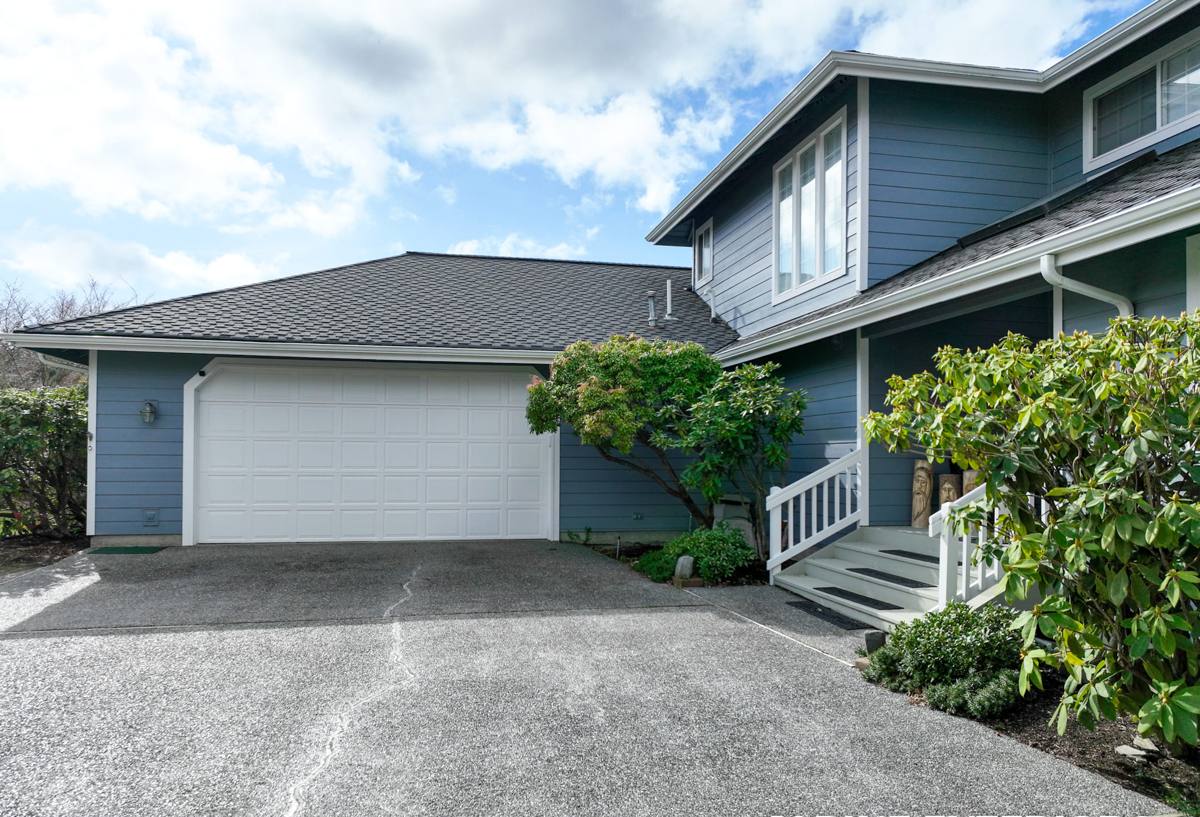
Silver Beach is one of Bellingham's more heavily treed residential neighborhoods, with mature tree canopy, mixed lot sizes, and homes ranging from older builds to newer construction. That combination — shade, tree cover, and proximity to the wetter side of Whatcom County's marine climate — makes deck building here a different job than it is in a wide-open, sun-exposed yard. A deck in Silver Beach spends more of the year damp, shaded, and slower to dry out after rain than a deck built in a cleared, south-facing lot across town.
We build and repair decks throughout Bellingham, and Silver Beach jobs get the same attention every project does: material choices, framing details, and drainage planning that account for how this specific neighborhood behaves, not a generic deck spec pulled off a shelf.
What Bellingham's Climate Does to an Unprotected Deck
Moss and Algae
Whatcom County's long, wet stretch from fall through spring is exactly what moss and algae need to take hold. On a shaded lot like most in Silver Beach, deck boards that don't get much direct sun can stay damp for days after a storm, and that persistent moisture is what lets moss get a foothold in the wood grain or in the gaps between composite boards. Once established, moss holds even more water against the surface, which accelerates whatever problem it started.
Trapped Moisture and Rot
Wood decking that isn't detailed correctly — square-cut board ends left unsealed, decking laid tight with no drainage gap, framing that never fully dries between rains — will rot from the inside before it ever looks bad on the surface. This is the single most common reason we get called out to a deck that's "only a few years old" and already has soft spots.
Salt-Tinged Air and Hardware Corrosion
Bellingham sits close enough to the water that the region's air carries a mild salt influence, and combined with near-constant humidity, that's a slow but real threat to unprotected metal. Fasteners, brackets, and hardware that aren't rated for this environment will corrode faster here than they would in a dry inland climate — and corroding hardware on a structural connection is a safety issue, not just a cosmetic one.
Choosing Decking Material That Actually Holds Up Here
There's no single "best" decking material — the right choice depends on how much sun and shade the specific spot gets, how much maintenance the homeowner wants to keep up with, and budget. Here's how the common options compare for a shaded, damp Bellingham lot like most of Silver Beach:
| Material | Moisture & Moss Resistance | Maintenance | Relative Cost |
|---|---|---|---|
| Pressure-treated wood | Good if sealed and maintained; prone to moss in deep shade if neglected | Annual cleaning and periodic sealing/staining | Lowest upfront cost |
| Cedar | Naturally rot-resistant, but still needs upkeep in constant shade | Regular cleaning and refinishing to hold color and resist moss | Mid-range |
| Composite decking | Very good; won't rot, but can still grow surface algae/moss if never cleaned | Occasional washing, no staining or sealing | Higher upfront, lower long-term maintenance cost |
| PVC decking | Excellent moisture resistance; fully synthetic | Lowest maintenance of the group | Highest upfront cost |
We don't push composite or PVC on every job just because it's lower-maintenance — solid wood, properly detailed and maintained, still performs well and is the right call for plenty of Silver Beach homeowners. What matters more than the material itself is whether the deck is built and finished correctly for the amount of shade and moisture it's going to sit in.
Where Material Choice Matters Most
The shadier and more enclosed the spot — under heavy tree cover, tucked against the house, low airflow — the more that material and finish choice matters. A well-detailed pressure-treated deck in full sun can outlast a poorly detailed composite deck stuck in a damp, shaded corner. Site conditions matter as much as the product label.
Framing and Footings: Where Deck Problems Start
Decking material gets all the attention, but the framing underneath is what actually determines whether a deck lasts. In Bellingham's wet ground conditions, footings need to be set below frost depth on solid, properly compacted soil — not just poured into whatever the existing grade happens to be. Undersized or shallow footings are one of the more common issues we find on older decks we're asked to repair or replace.
The Ledger Board
Where a deck attaches to the house — the ledger board — is the single most failure-prone connection on any deck, and it's almost always because water got behind it. Correct flashing at this joint, installed so water sheds away from the house rather than pooling behind the ledger, is not optional in a climate this wet. We treat ledger flashing as a non-negotiable step, not an upsell.
Joists and Spacing
Joist size and spacing need to match the span and the decking material being used — composite and PVC boards generally call for tighter joist spacing than solid wood to avoid flexing over time. Treated lumber is the standard for framing regardless of what decking goes on top, since the framing is what's most exposed to trapped moisture underneath the deck surface.
Fasteners, Hardware, and Railings for a Marine Climate
Given the corrosion risk noted above, we use fasteners and structural hardware rated for contact with modern treated lumber (which is more corrosive to untreated metal than older lumber treatments were) and suited to a humid, salt-influenced climate — stainless steel or properly rated coated fasteners, not standard hardware that's fine in a drier region but won't hold up here over the deck's lifespan.
Railings get the same standard. Post attachment is one of the most common code and safety failure points on older decks — posts that are simply screwed to the rim joist instead of properly through-bolted or bracketed won't meet current structural expectations and can fail under lateral load. Baluster spacing and railing height follow standard residential deck safety guidelines, which we build to as a matter of course, not just when an inspector asks.
Drainage and Airflow: The Difference Between a Deck That Lasts and One That Doesn't
A deck that can't dry out is a deck that's slowly failing, even if it looks fine on top. A few details make the biggest difference in a shaded, wet neighborhood like Silver Beach:
- Proper spacing between deck boards so water drains through instead of sitting on the surface
- Grading beneath the deck that directs water away from the house rather than letting it pool under the structure
- Avoiding solid, unvented skirting that traps humid air and moisture underneath the deck
- Keeping mulch, soil, and dense plantings from building up against ledger boards or posts
- Routing roof gutters and downspouts away from the deck area rather than dumping runoff directly onto or under it
These aren't advanced techniques — they're basic details that get skipped when a deck is built fast and cheap. On a lot with as much shade and tree cover as most Silver Beach properties, skipping them shortens the life of the deck considerably.
Our Deck Building Process
Every deck we build in Silver Beach follows the same sequence:
- On-site walkthrough. We look at sun exposure, tree cover, grading, and how the deck will tie into the house before recommending anything.
- Design and material selection. We talk through the tradeoffs honestly — wood versus composite versus PVC, size, layout, and railing style — based on the site conditions, not a default package.
- Permitting. Deck permitting requirements depend on the specific property's jurisdiction and the size and height of the deck. We handle the permit process as part of the job so it's not left on the homeowner's plate.
- Framing and inspection. Footings, framing, and ledger flashing get built and, where required, inspected before decking goes down — this is the stage that determines the deck's actual lifespan.
- Decking, railing, and finish work. Boards, railings, and any staining or sealing are completed to spec.
- Final walkthrough. We go over the finished deck with the homeowner, including basic care guidance specific to the material installed.
Maintenance Checklist for a Silver Beach Deck
A well-built deck still needs some seasonal attention in this climate, especially under tree cover. A simple annual routine goes a long way:
- Sweep leaves and debris off the deck and out from between boards regularly through fall
- Clean gutters and downspouts near the deck so runoff isn't dumping onto or under it
- Wash off moss and algae buildup before it has a chance to spread, ideally before spring
- Reseal or restain wood decking on the schedule appropriate for the product used
- Check exposed fasteners and hardware periodically for early signs of corrosion
- Trim back vegetation encroaching on the deck edges, posts, or ledger board
- Keep the area underneath the deck clear of stored debris, leaves, and standing water
Why Hire a Crew That Already Works in Silver Beach
A deck built to a generic national spec sheet doesn't account for how much shade a Silver Beach lot actually gets, how long boards stay damp after a typical Whatcom County rain, or how quickly moss establishes itself under mature tree cover. We build decks throughout Bellingham and see these conditions repeatedly — it shapes how we frame, flash, and detail every deck we put up here, not just this one.
We'll also tell you plainly when a lower-maintenance material is worth the extra upfront cost for a shaded spot, and when it isn't. No pressure toward the most expensive option, just an honest read on what will actually hold up on your property.
If you're planning a new deck or need to know whether an existing one is still sound, we're happy to take a look and walk you through your options. Reach out for a free, no-pressure estimate using the form below.