 Bellingham Roofing
 Roof Repair Built for Silver Beach's Climate
Silver Beach homes deal with a specific kind of weather stress. Bellingham sits in a marine climate zone, and Whatcom County roofs take on a steady combination of salt-tinged air drifting in from Bellingham Bay and the Salish Sea, driving rain that comes in sideways during winter storms, and long stretches of shade and dampness that keep moss and moisture-loving growth active for most of the year. None of that is dramatic on its own, but stacked together over years, it's exactly the kind of slow, cumulative wear that turns a small roof problem into a bigger one if it's ignored.
A roof repair here isn't just patching a leak. It's addressing why that leak formed in the first place, and making sure the fix accounts for the moisture cycle this neighborhood sees year-round. That's the standard we hold every repair to.
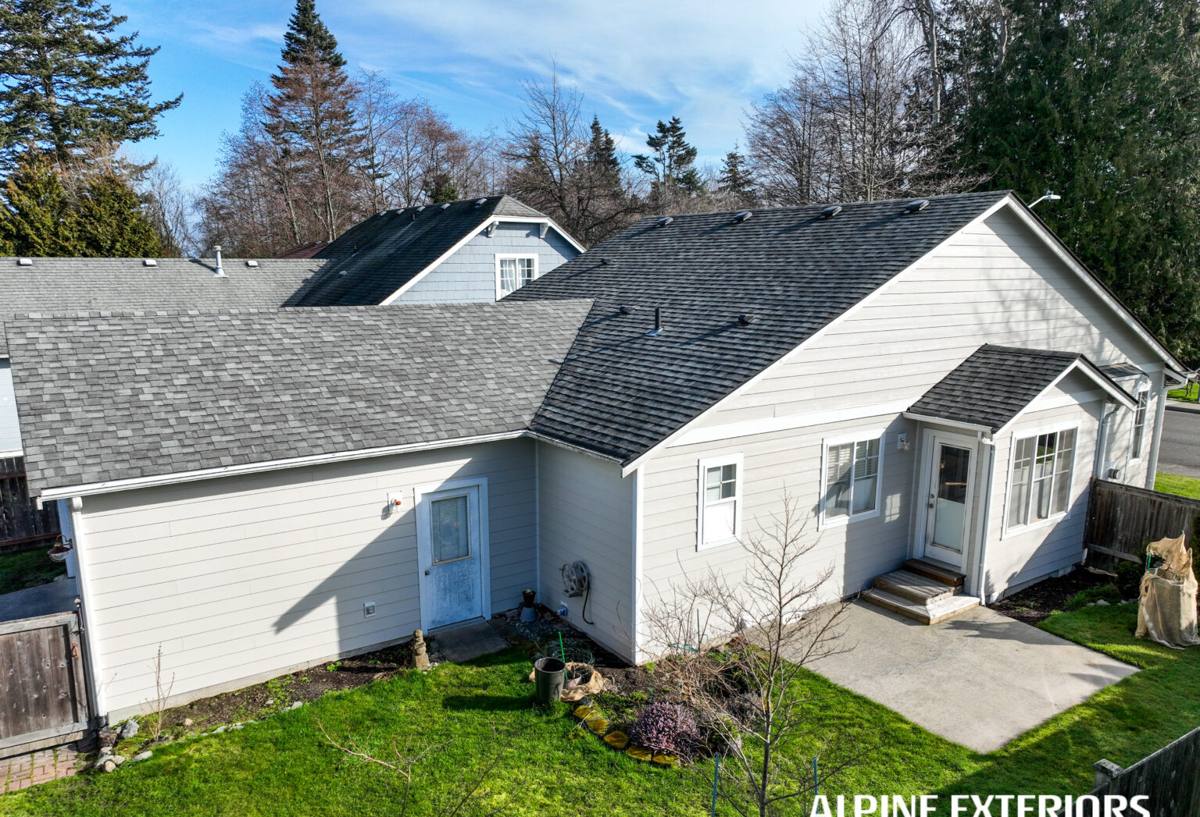
Why Roofs in This Area Wear the Way They Do
Three climate factors do most of the damage to roofs in and around Silver Beach:
- Salt-laden marine air — accelerates corrosion on exposed metal flashing, fasteners, and vent boots faster than it would inland, especially on roofs with older or lower-grade metal components.
- Driving, wind-blown rain — winter storms off the water don't just fall straight down; wind pushes rain up under shingles, around flashing edges, and into any gap that a calmer rain would never find.
- Extended moss season — shaded, north-facing, and tree-covered sections of roof stay damp long after the rest of the roof has dried, giving moss and algae months of active growing time each year.
Individually, each of these is manageable. Together, they mean a roof that might last decades in a drier climate needs more frequent, more careful attention here — particularly around penetrations, valleys, and edges where water concentrates.
Signs a Silver Beach Roof Needs Repair
Most roof failures don't start as a hole — they start small and get worse with every wet season. Homeowners in this area should watch for:
- Moss or dark streaking concentrated on shaded sections of the roof, particularly north-facing slopes
- Granules collecting in gutters or at downspout outlets
- Soft or slightly spongy decking felt underfoot in the attic, especially near valleys or chimneys
- Water stains on interior ceilings that appear or worsen after a windy rainstorm
- Lifted, cracked, or missing shingles after a wind event
- Rust staining or corrosion visible on flashing, vent caps, or exposed fasteners
- Daylight visible through the roof deck from inside the attic
Any one of these on its own is worth a look. Several at once usually means water has already found a way in, even if there's no visible interior stain yet.
What a Correct Repair Actually Involves
Diagnosis Before Anything Else
A repair that just covers the visible symptom — say, sealing over a stain without finding the entry point — tends to fail again within a season or two. A proper repair starts with tracing the leak to its actual source, which is often several feet away from where the interior stain shows up, since water travels along the deck and rafters before it drips through.
Moss and Growth Removal
Where moss is present, it needs to come off correctly — gentle removal that doesn't gouge or lift shingle granules, followed by clearing the debris that holds moisture against the roofing material. Moss isn't just cosmetic; its root structure holds water against the shingle surface and, over time, can lift shingle edges enough for wind-driven rain to get underneath.
Flashing, Valleys, and Penetrations
Given the salt air in this area, flashing condition matters more here than it might elsewhere. Corroded or under-sized flashing around chimneys, vents, skylights, and valleys is one of the most common sources of leaks we find, and it's rarely visible from the ground. A correct repair replaces compromised flashing rather than just re-sealing it — sealant is a short-term fix on metal that's already failing.
Matching Materials Correctly
Repairs should use materials that match the existing roof in type, weight, and where possible, color and age-appropriate appearance. Mismatched shingles or incompatible underlayment can create new water paths instead of closing old ones, and they stand out visually in a way that affects curb appeal.
Common Repair Types and What Affects Cost
Every roof and every leak is different, but most repair calls in this area fall into a handful of categories. Actual pricing depends on roof pitch, access, material type, and extent of hidden damage found once we're up there — but here's the general shape of what drives cost up or down:
| Repair Type | Typical Scope | What Affects Cost |
|---|---|---|
| Flashing repair/replacement | Chimney, vent, valley, or skylight flashing | Metal type, corrosion extent, roof pitch and access |
| Shingle/section repair | Storm damage, isolated wear, or wind-lifted areas | Material match availability, size of affected area |
| Moss and growth remediation | Cleaning plus treatment of affected sections | Extent of shaded roof area, growth severity |
| Deck repair | Replacing soft or rotted sheathing under the roofing | Size of rot, whether it's caught early or spread |
| Leak tracing/diagnostic only | Locating source without visible damage yet | Roof complexity, number of potential entry points |
As a general rule, the earlier a problem is caught, the smaller and less expensive the fix — a $300 flashing repair now can be the difference from a $3,000+ deck repair in a year or two if water keeps getting in unnoticed.
Our Repair Process
1. Inspection and Diagnosis
We get on the roof, not just look at it from the driveway. That includes checking the attic side where accessible, since that's often where the real story of a leak shows up.
2. A Clear, Honest Explanation
Before any work starts, we walk you through exactly what we found, what's causing it, and what the repair involves — including whether it's a straightforward fix or something that points to a bigger issue worth knowing about.
3. The Repair Itself
We use materials matched to your existing roof, follow manufacturer installation specs, and pay particular attention to flashing and sealing details given how much this climate depends on getting those right the first time.
4. Cleanup and Final Check
We clear debris, remove old materials, and do a final check to confirm the repair area is sound before we consider the job done.
Repair or Replace? How We Help You Decide
Not every roof problem needs a full replacement, and not every repair is worth doing on a roof that's genuinely near the end of its life. We look at a few honest factors when advising which way to go:
- Roof age relative to material lifespan — a repair on a roof with years of life left makes sense; the same repair on a roof already past its expected service life may just be delaying an inevitable replacement.
- How widespread the damage is — isolated flashing or shingle issues are good repair candidates; widespread granule loss or multiple leak points across different sections often point toward replacement being the more cost-effective long-term choice.
- Deck condition — if the underlying sheathing is sound, repair is usually straightforward; extensive rot changes the calculation.
We'll always give you our honest read on which category your roof falls into — we're not in the business of selling replacements that aren't needed, or patching roofs that are past the point where patching makes sense.
Why It Matters to Hire a Crew That Already Works This Neighborhood
Roofing crews that regularly work Silver Beach and the surrounding Bellingham area already understand how this specific combination of salt air, driving rain, and moss pressure behaves on a roof over time. That's not a small thing — it means we're not guessing at what's causing a leak or applying a generic fix; we're recognizing patterns we've seen on roofs a few streets over, dealing with the same tree cover, wind exposure, and moisture conditions.
It also means faster, more accurate diagnosis, since we already know which areas of a Whatcom County roof tend to fail first and why — rather than starting from scratch on every job.
Maintenance That Extends the Life of a Repair
A good repair holds up longer with a bit of basic upkeep between service visits. A few habits worth keeping:
- Keep gutters and downspouts clear, especially heading into fall storm season
- Trim back tree branches that keep sections of the roof shaded and damp
- Have moss removed before it spreads across a full slope, not after
- Do a visual check after major windstorms for lifted or missing shingles
- Address small leaks promptly rather than waiting for a stain to appear inside
If you're seeing moss buildup, a stain on the ceiling, or storm damage on a Silver Beach roof, we're happy to take a look and give you a straightforward, no-pressure estimate — just fill out the form below and we'll get back to you.