 Bellingham Roofing
 Asphalt Shingle Roofing Built for South Hill's Weather
South Hill sits up on the slope above downtown Bellingham, which means it catches wind and weather a little differently than homes closer to sea level. Elevation, tree cover, and proximity to Bellingham Bay all play into how a roof ages here. If you own a home in South Hill, you already know the pattern: long wet stretches from fall through spring, salt-tinged air rolling in off the water, and moss that seems to find a foothold no matter how often you clean the gutters. Asphalt shingle roofing remains the most practical, cost-effective choice for the vast majority of South Hill homes — but only when it's specified and installed with this climate in mind, not installed the same way it would be in a dry inland market.
This page covers what a correctly built asphalt shingle roof looks like for a South Hill property, what we actually do differently because of Whatcom County's climate, and how to think about the investment.
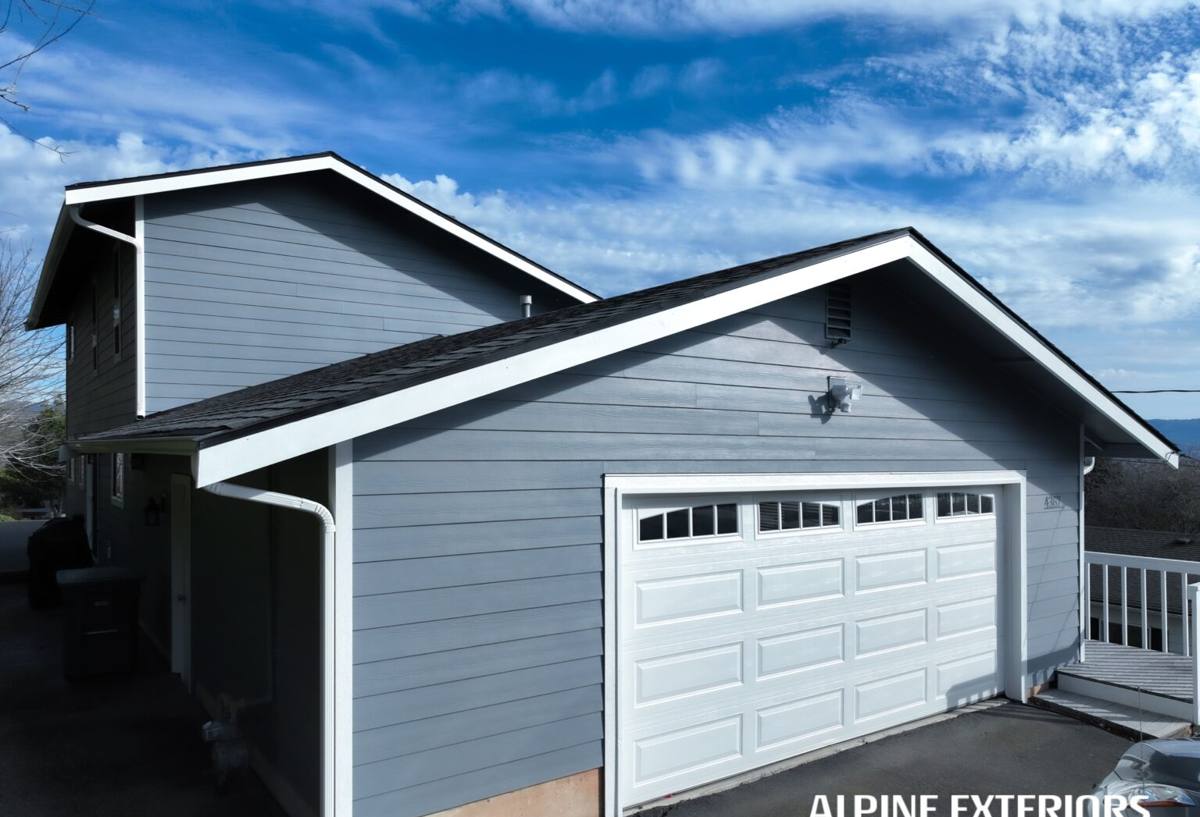
Why South Hill's Climate Is Harder on a Roof Than It Looks
Whatcom County doesn't get the kind of dramatic storms that make headlines, but it makes up for that with duration. A roof here spends more days of the year wet than dry for large stretches of fall, winter, and spring. That changes the failure modes we watch for compared to drier climates.
Salt Air
South Hill's elevation and views come with exposure to marine air moving in off the bay. Salt-laden moisture accelerates corrosion on exposed metal — nails, flashing, vent stacks, and any fasteners that aren't properly coated or covered. Over years, that corrosion is what turns a small flashing leak into a rotted deck.
Driving Rain
Rain in this region doesn't always fall straight down. Wind off the water pushes it sideways, which means it can work its way under shingles at edges, valleys, and penetrations that would stay dry in a calmer climate. Underlayment and flashing details matter more here than the shingle brand printed on the wrapper.
Moss and Sustained Moisture
Bellingham's tree cover and long damp season give moss everything it needs: shade, moisture, and time. Moss holds water against the shingle surface, works its way under shingle edges as it grows, and can lift tabs enough to let wind-driven rain in behind them. A roof that isn't detailed or maintained with moss in mind will show granule loss and premature wear years before it should.
What a Correctly Installed Asphalt Shingle Roof Includes
"Asphalt shingle roof" describes the visible surface, but the roof's actual performance comes from what's underneath it and how the details are handled. For a South Hill home, we build every roof around these components:
- Deck inspection and repair — any soft, delaminated, or water-stained sheathing gets replaced before anything new goes down. Roofing over a compromised deck just hides the problem.
- Ice-and-water shield at vulnerable points — eaves, valleys, and roof-to-wall transitions get a self-adhering waterproof membrane, not just felt, because these are exactly where wind-driven rain finds its way in.
- Synthetic underlayment across the field — a water-resistant barrier under the shingles that outperforms old-style felt in wet climates and gives a second line of defense if a shingle is ever damaged or lifted.
- Corrosion-resistant flashing and fasteners — given the salt air, we don't cut corners on metal quality at valleys, chimneys, skylights, and vent penetrations.
- Proper ventilation — balanced intake and exhaust venting keeps the attic dry and temperature-stable, which reduces condensation buildup and extends shingle life from the inside out.
- Shingle installation to manufacturer spec — correct nailing pattern, exposure, and sealant activation. Shingles are only rated for the wind and water resistance they're tested for when installed exactly as specified.
Our Process for a South Hill Re-Roof or Repair
1. On-Site Assessment
We walk the roof (or inspect from the attic and eave line when access or safety doesn't allow a full walk) and look specifically for the failure patterns common to this area: moss intrusion, flashing corrosion, granule loss on south- and west-facing slopes, and any soft decking near valleys or wall transitions.
2. Honest Scope and Estimate
We tell you plainly whether you're looking at a full replacement, a repair, or something in between. If a repair will genuinely hold for a few more years, we say so — we're not in the business of selling a full roof to someone who doesn't need one yet.
3. Material Selection
We walk through shingle class, algae-resistant granule options, and underlayment upgrades relevant to a moss- and moisture-heavy climate, and explain the real tradeoffs — not just the marketing language on the shingle wrapper.
4. Tear-Off and Deck Check
Old roofing comes off down to the deck so we can actually see the sheathing condition, not guess at it. Any repairs needed here are flagged and priced before we move forward, not discovered as a surprise mid-job.
5. Installation
Ice-and-water membrane, underlayment, flashing, and shingles go down in that order, to spec, with attention to the details that matter most in this climate: valleys, penetrations, and eaves.
6. Final Walkthrough
We review the finished roof with you, cover basic maintenance expectations (especially around moss), and make sure you know what was done and why.
Shingle Options and How They Perform Locally
Not every asphalt shingle line behaves the same way once it's spent a few winters under Whatcom County moss and moisture. Here's a general comparison of shingle classes and how they typically hold up:
| Shingle Type | Typical Lifespan | Moss/Moisture Resistance | Best Fit For |
|---|---|---|---|
| 3-tab (economy) | 15–20 years | Lower — thinner profile, less algae-resistant granule coverage | Budget-driven projects, secondary structures |
| Architectural / laminate | 25–30 years | Better — heavier mat, often available with algae-resistant granules | Most South Hill homes |
| Premium / designer laminate | 30+ years | Best available in asphalt — thickest profile, strongest algae-resistant warranty coverage | Homeowners prioritizing longevity and appearance |
For this climate, we generally steer homeowners toward architectural shingles with algae-resistant (AR) granules at minimum. The upgrade cost over 3-tab is modest relative to the whole project, and the difference in moss resistance and service life is real, not just a marketing claim on the label.
Maintenance That Actually Extends Roof Life Here
A well-installed roof still needs some upkeep in this climate — skipping it is one of the most common ways homeowners shorten a roof's lifespan without realizing it.
- Keep gutters clear so water isn't backing up under the eave line during heavy rain.
- Have moss treated or gently removed before it establishes a thick mat — don't pressure-wash shingles, which strips protective granules.
- Trim back overhanging branches to reduce shade and debris buildup, both of which feed moss growth.
- Check attic ventilation periodically — blocked soffit or ridge vents trap moisture and accelerate deck rot from underneath.
- Have flashing points (chimneys, skylights, vent stacks) visually checked every few years, since that's where corrosion and small leaks start.
Repair vs. Full Replacement: How We Help You Decide
Not every roof problem means a full tear-off. We look at a few honest factors before recommending either path:
- Age relative to expected lifespan — a 12-year-old architectural roof with an isolated flashing leak is usually a repair; a 22-year-old 3-tab roof with the same leak is often a sign to plan replacement.
- Extent of granule loss — patchy wear near one valley is repairable; widespread granule loss across multiple slopes points to a roof nearing the end of its service life.
- Deck condition — if the sheathing is sound, repairs make sense; soft or rotted decking usually means the roofing above it needs to come off regardless of shingle age.
- Number of prior repairs — a roof that's had several patch jobs in different spots is often telling you it's time for a full replacement rather than another patch.
Why It Matters That We Already Work in South Hill
A roofing crew that works this neighborhood regularly already knows which slopes take the worst of the wind-driven rain, how aggressively moss establishes under the tree cover common here, and which flashing details tend to fail first given the salt air off the bay. That familiarity shows up in fewer callbacks and a roof that's built for the conditions it will actually face, not a generic install. We're a Whatcom County crew — Bellingham and its surrounding neighborhoods, South Hill included, are where we work day in and day out, not an occasional service area on a list.
Get a Straightforward Estimate
If your South Hill roof is showing granule loss, moss buildup, or you just want an honest read on how many years you have left before replacement makes sense, we're glad to take a look. Reach out for a free, no-pressure estimate — we'll tell you what we actually see, not just what sounds good on paper.