 Bellingham Roofing
 Storm Damage Roof Repair for Birchwood Homes
Birchwood sits inland enough from Bellingham Bay to feel sheltered, but it still takes the same weather every other neighborhood in Whatcom County gets: wind-driven rain off the Strait of Georgia, salt-tinged air working its way inland, and long stretches of gray, wet months where moss and moisture never really let a roof dry out. When a windstorm rips shingles loose or a heavy branch comes down during a winter blow, the damage doesn't always look dramatic from the ground. That's the problem. A roof can look fine from the driveway and still be taking on water where it counts.
We repair storm-damaged roofs for homeowners in Birchwood and the surrounding Bellingham area on a regular basis, which matters more than it sounds. A crew that's already worked roofs in this specific pocket of Whatcom County knows what the tree cover, the moisture patterns, and the housing stock in this part of town tend to do to a roof over time — and that shapes how we diagnose and fix storm damage here versus somewhere drier and more exposed.
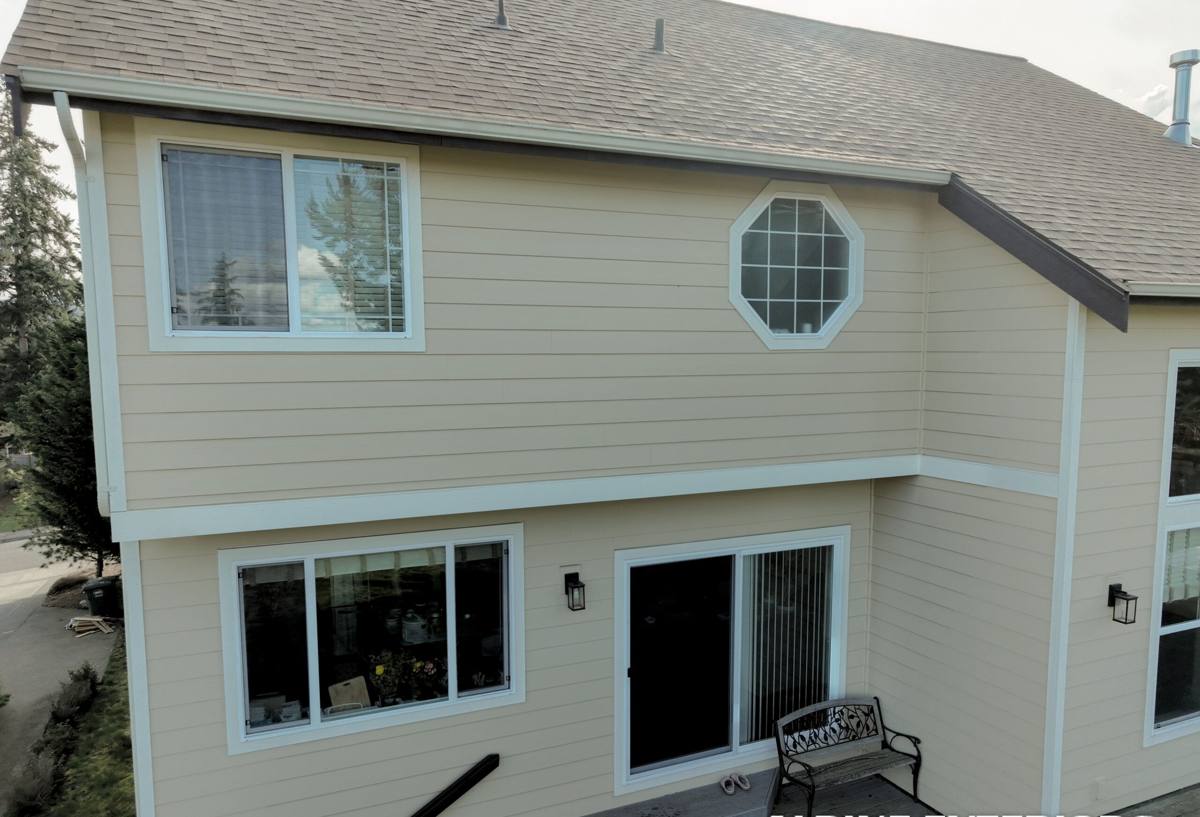
What Bellingham's Climate Does to a Storm-Damaged Roof
Storm damage in this region rarely stays isolated. A single event — a windstorm, an ice load, a falling limb — creates an opening, and then the everyday climate takes over and makes it worse.
Salt Air
Homes closer to the water deal with airborne salt that accelerates corrosion on exposed metal: flashing, fasteners, gutter hardware, and vent caps. Once a storm loosens or cracks a seal, salt-laden moisture finds its way into that gap faster than it would in a dry inland climate, and corrosion can spread to fasteners and flashing that were otherwise sound.
Driving Rain
Whatcom County storms rarely come straight down. Wind pushes rain sideways and up under shingle edges, ridge caps, and flashing that would shed a vertical rain just fine. A lifted or cracked shingle that might be a minor issue in a calm-weather climate becomes a real leak point here because the wind is doing half the work of pushing water into the gap.
Moss Season
Bellingham's moss season runs long — shaded, tree-covered lots like many in Birchwood barely get a dry stretch some winters. Moss holds moisture against the roof surface, works its way under shingle tabs, and can lift edges just enough that the next storm's wind-driven rain gets underneath. Storm damage and moss damage often show up in the same spot because one makes the other worse.
Signs Your Birchwood Roof Has Storm Damage
Most storm damage isn't a hole you can see from the street. It's smaller and easier to miss, which is exactly why it turns into a bigger repair if it sits through a few more rain events.
- Shingles that are cracked, curled, creased, or missing entirely after a windy night
- Granules collecting in gutters or at downspout outlets — a sign of shingle surface damage from wind and impact
- Bent, lifted, or separated flashing around chimneys, vents, and roof-to-wall junctions
- Dented or dislodged gutters, especially where a branch or debris made contact
- New or worsening ceiling stains, especially after a storm — even a faint yellow-brown ring is worth investigating
- Daylight visible through the attic roof deck, or damp insulation when you check the attic after a storm
- Moss buildup near a repaired or damaged area, which can mask lifted shingle edges
If you notice any of these after a storm, it's worth getting a roof looked at before the next rain event rather than waiting for a leak to show up inside.
What a Correct Storm Damage Repair Actually Involves
A rushed storm repair often just replaces what's visibly broken and stops there. That approach tends to fail again in the next storm because it doesn't address why that spot failed in the first place. A correct repair looks at three layers, not just one.
The Surface Layer
This is the shingles, ridge caps, or other roofing material that took the direct hit. Damaged pieces get removed and replaced, matched as closely as possible to the surrounding roof so the repair doesn't stand out or create a new weak seam.
The Underlayment and Deck
If water got past the surface layer, the underlayment beneath it may be saturated or torn, and the wood deck underneath can be soft, delaminated, or stained. Replacing shingles over a compromised deck or underlayment just hides the problem under new material — it doesn't fix it.
The Flashing and Transitions
Most leaks trace back to a flashing detail, not the open field of the roof: chimneys, skylights, sidewalls, valleys, and vent penetrations. Storm wind is especially hard on these transition points, and driving rain exploits any gap that opens up. We check every transition point near the damage, not just the spot that looks obviously broken.
Our Process in Birchwood
- Fast response and temporary protection. If a roof is actively leaking or has an open area after a storm, our first job is to stop water intrusion — tarping or temporary sealing — before we do anything else.
- Full inspection, not just the damaged spot. We check the storm-affected area and walk the rest of the roof, since one storm event often causes more than one weak point, and moss or age-related wear nearby can compound the damage.
- Straight explanation of what we find. You get told what's storm damage, what's pre-existing wear the storm exposed, and what's cosmetic versus functional — in plain terms, with photos of the specific areas in question.
- A written scope and honest options. For most storm repairs that's a single option; for roofs with more extensive or spread-out damage, we'll lay out repair versus partial replacement so you can make an informed call.
- The repair itself. Matched materials, proper underlayment and flashing work where needed, and a cleanup that doesn't leave nails and debris in your yard or gutters.
- Documentation for insurance, if you're filing a claim. Photos, a written scope, and an itemized estimate that an adjuster can work from.
Repair or Partial Replacement? What Decides It
Not every storm-damaged roof needs the same fix. The right call depends on how much of the roof is affected, how old it already was, and how much of the damage is isolated versus spread out.
| Factor | Leans Toward Repair | Leans Toward Replacement |
|---|---|---|
| Extent of damage | Isolated to one section or slope | Spread across multiple slopes or the whole roof |
| Roof age | Roof is under 10-15 years old | Roof was already near the end of its service life |
| Underlying condition | Deck and underlayment are sound elsewhere | Widespread moss damage or deck softness found during inspection |
| Shingle matching | Matching shingles are available and blend reasonably | Discontinued or badly weathered shingles that won't match |
| Insurance scope | Adjuster approves a repair-level scope | Adjuster's own assessment calls for a larger scope |
We'll always start with the smallest scope that actually solves the problem. If a full repair is genuinely the right call, that's what we'll recommend — replacement isn't the default answer just because it's a bigger job.
What Drives the Cost of a Storm Repair
Storm repair pricing varies more than routine maintenance pricing because the scope isn't known until someone gets on the roof. A few factors move the number the most:
| Factor | Why It Matters |
|---|---|
| How much of the deck needs replacing | Wet or rotted deck sheathing adds material and labor beyond the surface shingles |
| Steepness and access | Steep or hard-to-access roof sections take longer and require more safety setup |
| Flashing complexity | Roofs with chimneys, skylights, or multiple valleys near the damage need more detail work |
| Shingle match availability | Older or discontinued shingle lines can require a larger tear-off to keep the roof looking uniform |
| Timing | Emergency tarping and after-hours storm response carry a different cost than a scheduled repair |
We give a written estimate before any repair work starts, broken out clearly enough that you can see what you're paying for — not a single lump number with no detail behind it.
Working With Your Insurance Claim
Most storm damage repairs in this area involve an insurance claim, and the roofer's role in that process matters. Our job is to document the damage accurately and give the adjuster a clear, honest scope to work from — not to inflate a claim or pad a scope to chase a bigger payout. That approach protects you two ways: it holds up if the adjuster pushes back, and it keeps your claims history clean for the next time you need coverage.
If you haven't filed a claim yet, get an inspection first. Photos and a written assessment from a roofer who was on the roof, not just looking from the ground, give you a much stronger starting point when you call your insurance company.
Why a Bellingham Crew That Works Birchwood Already Matters
A roofer who works this specific part of Whatcom County regularly has already seen how the local combination of tree cover, salt air, and long wet winters plays out on roofs like yours — which shingle brands and installation details hold up, where moss tends to build fastest, and which flashing details are most often the actual source of a "shingle" leak. That's not something you get from a national storm-chasing crew that shows up after a big weather event and leaves town once the work dries up. We're still here for the follow-up call, the warranty question, or the next storm season.
If a recent storm has you wondering about your roof — whether you saw obvious damage or just want a second opinion before filing a claim — we're happy to take a look. Fill out the form below for a free, no-pressure estimate, and we'll give you a straight answer about what your roof actually needs.