 Bellingham Roofing
 Windows Built for Lynden's Weather, Not Just Its Looks
Lynden sits in the low farmland of Whatcom County, close enough to Bellingham Bay to feel the marine air and close enough to the Nooksack River lowlands to hold onto fog, humidity, and standing moisture through much of the fall and winter. That combination is hard on windows. Wood sashes swell and stick. Aluminum frames sweat and corrode at the fasteners. Old glazing putty dries out and cracks, and once it does, wind-driven rain finds its way behind the trim. Add a moss season that stretches from October into April, and you've got a climate that quietly breaks down window seals and frames faster than most homeowners expect.
We see this pattern across older farmhouses and newer builds alike around Lynden: windows that look fine from the yard but are letting in moisture, losing efficiency, or starting to rot at the sill. Window replacement here isn't just a cosmetic upgrade — it's a maintenance decision that protects the wall framing underneath.
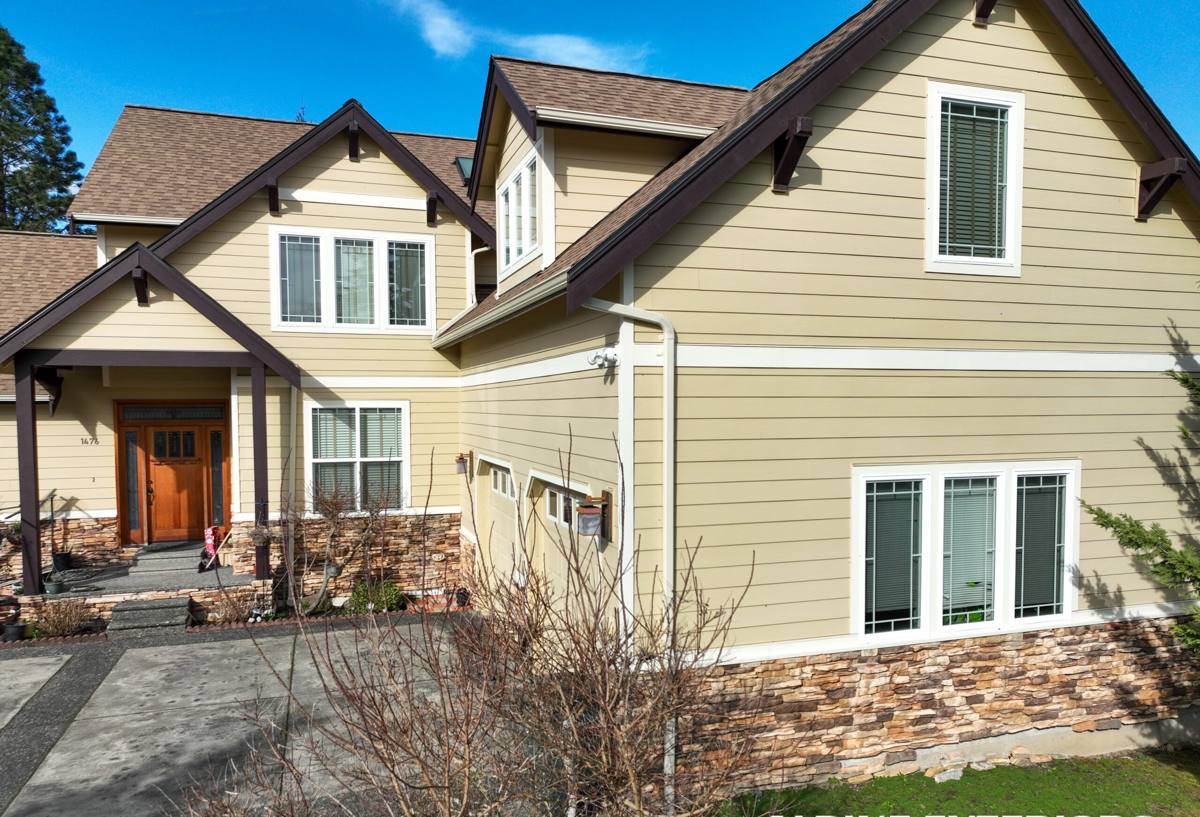
Signs a Lynden Home Is Ready for Window Replacement
Most homeowners don't replace windows because of a single dramatic failure. It's usually a slow accumulation of small problems that finally adds up to a call. Watch for:
- Condensation or fogging between panes of double-glazed glass — the seal has failed and the gas fill is gone
- Drafts you can feel with a hand near the frame on a windy day
- Wood trim or sills that feel soft, spongy, or show dark staining
- Windows that are difficult to open, close, or lock — a sign the frame has swelled or shifted
- Visible daylight around the frame from outside
- A noticeable jump in heating costs with no other explanation
- Paint that keeps failing on the same window no matter how often it's redone
Any one of these can usually be repaired. Several of them together, especially on a window over ten or fifteen years old, usually mean replacement is the more honest fix — repairs on a failing frame tend to be short-term patches.
What a Correct Window Replacement Job Actually Involves
It's Not Just the Window
A window replacement that holds up in this climate depends more on the installation details than on the window itself. The window unit is only as good as the flashing, sealant, and framing work around it. A rushed install can leave a brand-new window performing worse than the old one it replaced within a couple of wet seasons.
What We Check and Do on Every Job
- Remove the old unit and inspect the framing, sill, and sheathing underneath for rot or moisture damage before anything new goes in
- Repair or replace any compromised framing — never install a new window over a soft or wet substrate
- Install proper flashing at the head, jambs, and sill so water is directed out and away from the wall, not trapped behind the new trim
- Use closed-cell backer rod and quality exterior sealant at joints, not just caulk over gaps
- Set the window plumb, level, and square, then check operation before final fastening
- Insulate the gap between the frame and rough opening properly — too little insulation leaves a cold spot, too much can bow the frame
- Finish exterior trim and caulking to shed water, matching the home's existing look where possible
Skipping the flashing and moisture-barrier details is the single most common cause of window failures we're called out to fix — and it's the step that's easiest to cut corners on because it's invisible once the trim goes back on.
Choosing Window Materials and Styles for This Climate
There's no single "best" window for every house. The right choice depends on the home's age, exposure, and how much upkeep the owner wants to do. Here's how the common options compare for a Whatcom County home:
| Frame Material | Moisture Resistance | Maintenance | Typical Fit |
|---|---|---|---|
| Vinyl | Excellent — won't rot or corrode | Low — occasional cleaning | Most homes; best value for full replacements |
| Fiberglass | Excellent — very stable in temperature swings | Low | Homes wanting a narrower frame profile or higher-end finish |
| Wood | Good if maintained; vulnerable if paint or finish fails | High — repainting/sealing on a regular cycle | Historic or period-style homes where original wood look matters |
| Wood-Clad | Good — exterior clad protects the wood core | Moderate | Homes wanting a wood interior look with less exterior upkeep |
| Aluminum | Fair — prone to condensation and corrosion in wet climates | Moderate | Less common choice for this climate; we typically don't recommend it for full replacements here |
For most Lynden homes, vinyl or fiberglass frames make the most sense — they don't absorb moisture, they don't need repainting, and they hold up well through the wet season without the maintenance cycle that wood or aluminum require. Where a home's character calls for a wood look, wood-clad options give you that appearance with the exterior protected.
Glass Packages
Double-pane, low-E glass with an argon fill is the standard for this region and handles the temperature swings between damp winters and warm summer afternoons well. Homes near busier roads or with west-facing exposure sometimes benefit from an upgraded glass package for sound or heat control, but for most Lynden properties, a solid double-pane low-E unit is the right balance of cost and performance.
Our Window Replacement Process
- On-site assessment — we look at every window being considered, check for framing or moisture issues, and talk through what's actually needed versus optional
- Honest recommendation — we'll tell you if a window can be repaired instead of replaced; we're not trying to sell a full-house job when it isn't warranted
- Written estimate — clear pricing by window, materials specified, no vague allowances
- Scheduling around weather — we plan installation days with the forecast in mind so openings aren't sitting exposed during a heavy rain system
- Removal and inspection — old units come out, and we inspect the opening before anything new goes in
- Installation — proper flashing, sealing, insulation, and finish work as described above
- Walkthrough — we test operation and locking on every window with you before we call the job done
- Cleanup — old windows and debris hauled off; work area left clean
Energy Efficiency and Comfort
Older single-pane or early-generation double-pane windows are one of the biggest sources of heat loss in a house, especially in homes built before energy codes tightened up. Replacing failing windows with modern low-E, argon-filled units typically means a noticeably more even temperature from room to room, less cold radiating off the glass in winter, and less condensation on the inside of the glass on cold mornings — a common complaint in this climate where indoor humidity runs high for much of the year. It also reduces the load on your heating system, since it's no longer working to counteract drafts and cold glass.
What Window Replacement Typically Costs
Pricing depends on window size, material, glass package, and how many openings you're doing at once. As a general guide:
| Factor | How It Affects Cost |
|---|---|
| Frame material | Vinyl is typically the most affordable; fiberglass and wood-clad cost more; solid wood costs more still |
| Window size and type | Larger openings, bay windows, and custom shapes cost more than standard double-hung or slider sizes |
| Framing condition | Rot or moisture damage found during removal adds repair cost but prevents a bigger problem later |
| Number of windows | Doing multiple windows in one project usually lowers the per-window cost versus one-off replacements |
| Glass package | Upgraded glass for sound, heat, or impact resistance adds cost per unit |
| Trim and finish work | Matching existing exterior trim or custom finish work adds labor time |
We won't quote a number without seeing the actual windows and openings — a fair estimate depends on what's really behind the old trim, which we won't know until we look.
Why Hiring a Crew That Already Works in Lynden Matters
Window replacement done right in this part of Whatcom County means understanding how the local climate actually behaves — not just installing to a generic spec sheet. A crew that regularly works Lynden and the surrounding area knows what moisture damage looks like on older farmhouse framing, knows which details matter most given the driving rain this area gets in the fall and winter, and can plan installation timing around actual weather patterns instead of guessing. That local familiarity shows up in fewer callbacks and windows that perform the way they're supposed to for the long haul, not just the first year.
It also means someone who can be reached easily if a question comes up after the job is done — not a crew that installed windows here once and moved on.
Before You Hire: A Quick Checklist
- Ask whether the quote includes flashing and moisture-barrier work, not just the window unit
- Confirm what happens if rot or damage is found in the framing once old windows come out
- Get the frame material, glass package, and brand specified in writing
- Ask how many windows like yours they've installed in this specific area
- Confirm warranty coverage for both the window itself and the installation labor
- Make sure the estimate is itemized by window, not a single vague lump sum
If you're seeing drafts, fogged glass, or sticking frames on your Lynden home, it's worth getting a second set of eyes on it before winter's rain sets in again. We offer free, no-pressure estimates — we'll walk your windows with you, tell you honestly what needs replacing and what doesn't, and give you a clear, itemized quote to work from. Fill out the form below to get started.