 Bellingham Roofing
 Windows in the Columbia Neighborhood Face a Specific Set of Problems
Columbia sits close enough to the water and to Bellingham's marine weather patterns that its windows take a different kind of beating than homes further inland. Salt-laden air corrodes hardware and finishes faster than dry-climate manufacturers ever design for. Driving rain, pushed sideways by wind off the bay, tests every seal and flashing detail on the wall. And Whatcom County's long, wet moss season keeps siding, trim, and window perimeters damp for months at a stretch, which is exactly the condition that lets rot get started before anyone notices.
None of that means Columbia homes need exotic solutions. It means the basics — proper flashing, correct sealant choice, hardware rated for coastal exposure, and an installer who actually accounts for how water moves around a window opening — matter more here than they would in a drier part of the state. A window that's "good enough" in Spokane can fail early in a neighborhood like this.
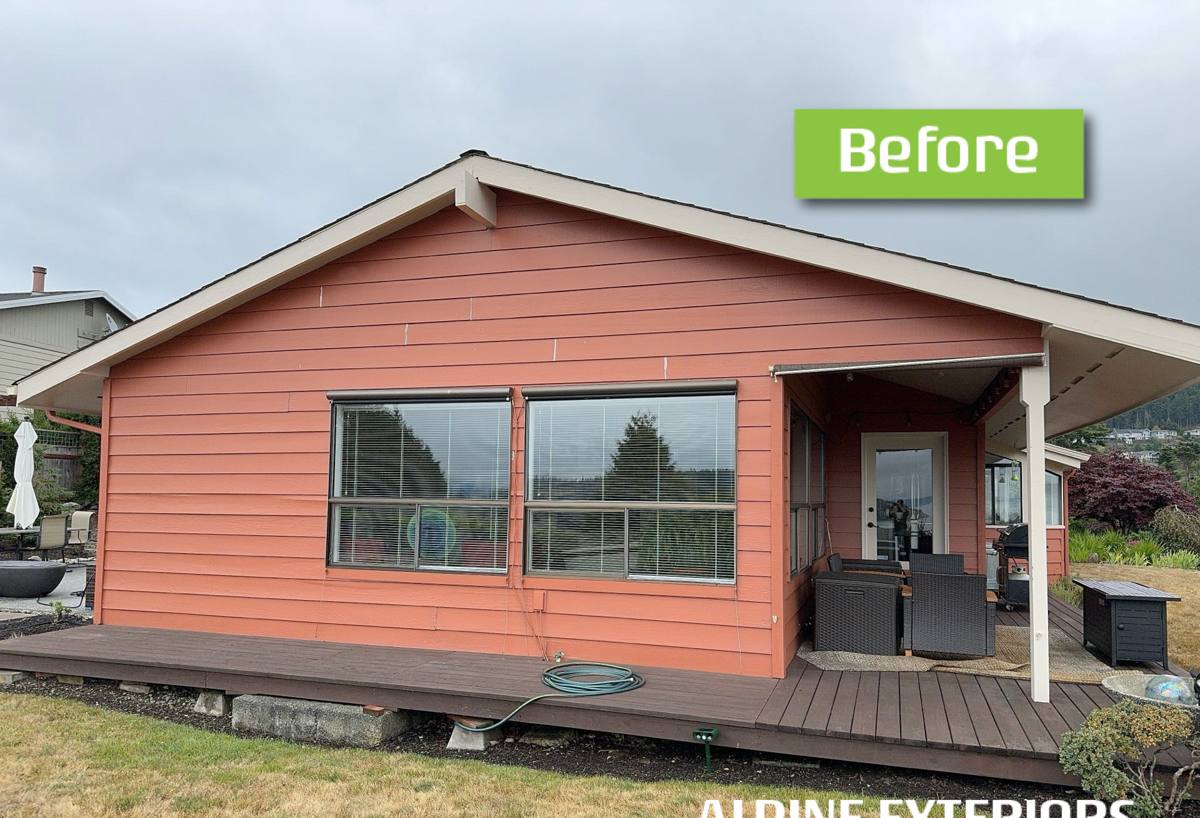
Signs a Columbia Home's Windows Are Losing the Fight
Most window failures don't show up as a shattered pane. They show up gradually, and homeowners often live with the early signs for a year or two before calling anyone. Watch for:
- Fogging or a permanent haze between panes on double- or triple-glazed units — the seal has failed and the gas fill is gone
- Soft or discolored trim and sill wood, especially on north- and west-facing walls that catch the most driving rain
- Windows that stick, won't latch flush, or have visibly sagged in the frame
- Drafts you can feel with a hand near the frame on a windy day, even with the window closed and locked
- Visible corrosion or chalky white buildup on aluminum frames or hardware — a common effect of long-term salt air exposure
- Paint or caulk that keeps failing around the same window no matter how often it's touched up
Any one of these on its own might just mean a repair. Several together, especially on an older single-pane or early dual-pane home, usually means it's time to talk about replacement before hidden framing damage gets worse.
What a Correct Installation Actually Involves
Window installation looks simple from the outside — pull the old one, set the new one, caulk the edges. Done that way, it's also one of the most common sources of water intrusion in older Bellingham-area homes. A correct job has several layers that all have to work together, not just the visible trim.
Removal and Opening Inspection
Once the old window is out, the rough opening gets inspected before anything new goes in. This is the point where hidden rot, soft framing, or old flashing failures get found — and it's much cheaper to fix them now than to discover them from a leak two years after a new window is installed over the top of a bad opening.
Flashing and Water Management
The flashing sequence — how the house wrap, sill pan, and window flanges overlap — determines whether water that reaches the wall gets shed back outside or finds its way into the framing. This is the single most important part of the job for a home exposed to driving rain, and it's also the part most likely to get rushed on a low-bid installation.
Sealant and Insulation
Low-expansion foam or backer rod and sealant around the frame perimeter closes air gaps without bowing the frame out of square. Exterior sealant needs to be a product rated for the temperature swings and UV exposure this region actually sees, not whatever tube happened to be in the truck.
Hardware and Finish
Locks, hinges, and cranks in a salt-air environment benefit from corrosion-resistant hardware finishes. It costs a little more up front and saves a service call in three or four years when standard hardware starts to seize or pit.
Material and Frame Comparison for Coastal Whatcom County Conditions
There's no single "best" window material — the right choice depends on the home's exposure, style, and budget. Here's how the common options hold up under Columbia's conditions specifically.
| Frame Material | Moisture & Salt Air Performance | Maintenance | Typical Fit |
|---|---|---|---|
| Vinyl | Good — won't rust or rot; seams are the main watch point | Low | Most Columbia homes, value-focused replacements |
| Fiberglass | Very good — dimensionally stable, resists corrosion | Low | Homes wanting durability with a slimmer profile |
| Aluminum | Fair — prone to corrosion and condensation near the coast unless thermally broken | Moderate to high | Modern designs where the look is a priority |
| Wood (clad exterior) | Good on the exterior face if the cladding is intact; vulnerable wherever it's breached | High | Historic or character homes matching original trim |
We install and can speak honestly about all of these. Where we steer homeowners away from a product, it's about trade-offs we've seen play out over years in this climate — not a knock on any manufacturer. Bare aluminum frames, for example, are a reasonable choice in a dry inland climate; near the water in a neighborhood like Columbia, they simply demand more upkeep to look and perform the same way over time.
How the Job Runs, Start to Finish
- Walkthrough and measurement — we look at every window being replaced, not just the ones the homeowner mentioned, since a marginal window nearby often gets missed
- Written estimate — clear line items for materials, labor, and any anticipated framing repair, so there are no surprise change orders mid-project
- Ordering and scheduling — we build in realistic lead times and plan around Whatcom County's wetter stretches so openings aren't sitting exposed longer than necessary
- Removal and opening check — old window comes out, framing gets inspected, any rot or damage gets flagged before proceeding
- Flashing, install, and seal — new window set plumb and square, flashed correctly, sealed with weather-appropriate materials
- Interior and exterior finish — trim, caulk lines, and touch-up work completed to match the existing home
- Final walkthrough — every window operated, locked, and checked with the homeowner before we call the job done
What Drives the Cost
Window pricing varies enough that broad ranges are more honest than a single number. What actually moves the price on a given job:
| Factor | Why It Matters |
|---|---|
| Frame material | Vinyl is generally the most budget-friendly; fiberglass and clad-wood cost more up front |
| Number and size of openings | Larger and more numerous windows scale cost directly |
| Framing condition | Rot or water damage found during removal adds repair time before the new window can go in |
| Access and story height | Second-story or hard-to-reach windows take more labor and sometimes equipment |
| Glass package | Upgraded low-E coatings or triple glazing add cost but improve comfort and efficiency |
| Trim and finish match | Matching existing interior trim profiles or exterior details takes more time than a standard install |
We'd rather walk a homeowner through these factors on their actual house than quote a number over the phone that doesn't hold up once we're on site.
Why a Crew That Already Works in Columbia Matters
Window installation done right depends on understanding how a specific house sits relative to weather exposure — which walls take the worst of the driving rain, how much shade keeps a north side damp longer into the season, whether nearby trees are dropping the kind of debris that clogs weep holes and traps moisture at the sill. A crew that's already worked houses in this neighborhood has that context before the first window even comes out, instead of learning it the hard way on someone's home.
It also means we're a known, findable business if a question comes up two years down the road — not a name from a lead-generation site that's moved on to the next city. For work on the outside of a home in a climate this demanding, that kind of continuity is worth as much as the installation itself.
Before You Call Anyone: A Quick Checklist
- Note which windows are drafty, foggy, sticking, or visibly rotted — a specific list speeds up the estimate
- Check whether any window openings have had past water stains inside, even if they've since dried
- Decide if you want a like-for-like replacement or a style/material change (adds design conversation to the estimate)
- Ask any contractor you're considering how they handle flashing and rough-opening inspection — the answer tells you a lot
- Confirm what's covered by warranty on both the product and the installation labor, in writing
If you're weighing whether your Columbia home's windows need attention, we're happy to take a look and give you a straight answer — including telling you if a window still has good years left rather than pushing a replacement it doesn't need. Reach out for a free, no-pressure estimate using the form below.