 Bellingham Roofing
 Asphalt Shingle Roofing for Edgemoor's Particular Conditions
Edgemoor sits close to the water on Bellingham's south side, tucked under heavy tree cover on hilly, wooded lots. That combination — mature conifers overhead and Bellingham Bay a short distance away — puts a different set of demands on a shingle roof than you'd see on an open, treeless lot across town. We've installed and repaired enough shingle roofs in this part of Whatcom County to know what actually fails here, and it's rarely the shingle itself. It's usually what happens underneath it or around it: moss working into a poorly lapped joint, a valley that wasn't protected for wind-driven rain, or fasteners that were never rated for a marine environment.
This page is specifically about asphalt shingle roofing for Edgemoor homes — not a general overview of every roofing material we offer. If you live under trees a few blocks from the shoreline, the details below are the ones that matter for your roof.
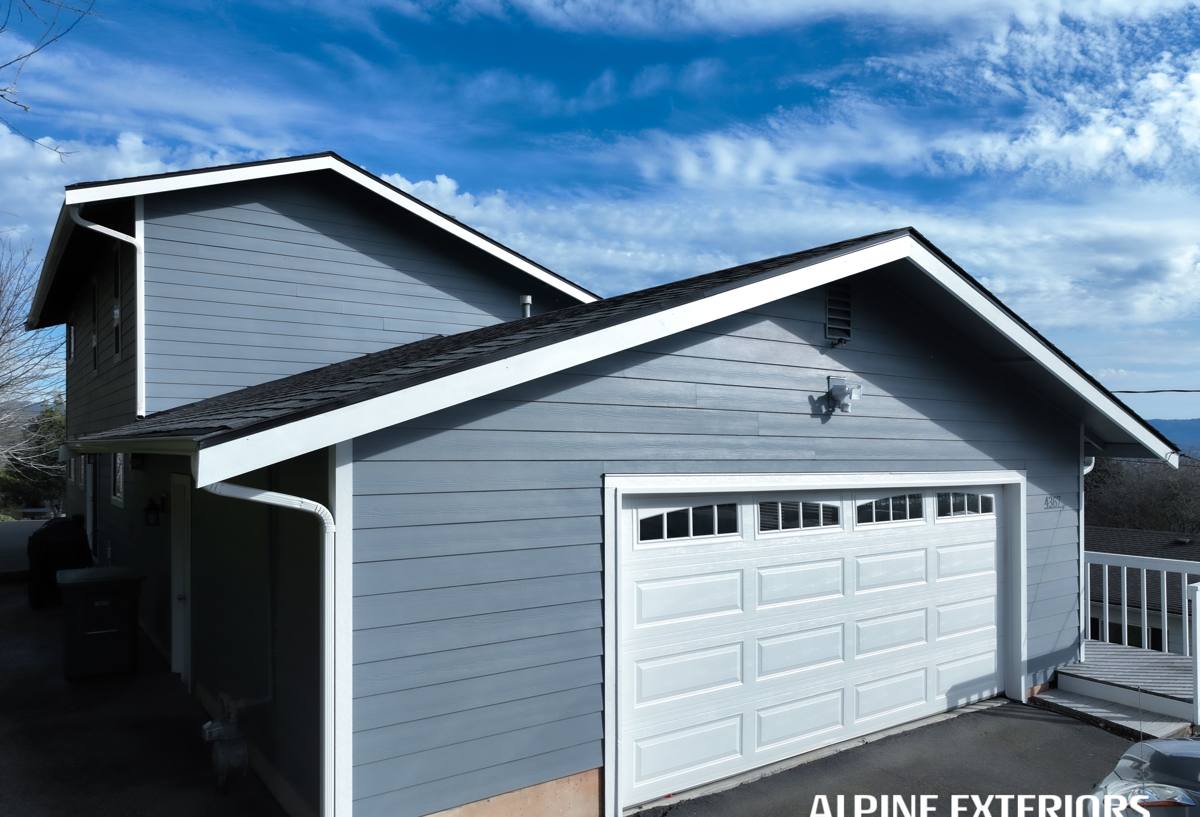
What Edgemoor's Microclimate Does to a Shingle Roof
Moss and Organic Debris
Heavy tree canopy means needles, leaves, and seed debris collect in valleys, behind chimneys, and along the lower courses of a roof almost year-round. That debris holds moisture, and moisture plus shade is exactly what moss needs to establish. Once moss gets a foothold on shingles, it lifts the tabs slightly, holds water against the mat longer than the shingle was designed for, and accelerates granule loss. A roof that would otherwise last two decades can start showing real wear in half that time if moss and debris aren't managed.
Salt Air and Metal Components
Edgemoor's proximity to the bay means a steady low level of salt in the air, even well inland from the water. Salt air is hardest on the metal parts of a roofing system — flashing, drip edge, vent boots, and fasteners — long before it affects the shingles themselves. Standard galvanized fasteners and lower-grade flashing corrode faster here than they would on a roof twenty miles inland. This is a material selection issue, not just an installation issue.
Wind-Driven Rain
Storms coming off the water tend to push rain sideways, not just straight down. That matters at every horizontal seam on a roof — ridge caps, valleys, and the transitions where a roof plane meets a wall or chimney. A shingle roof that was installed correctly for a calm, inland lot can still leak in Edgemoor if the underlayment and flashing weren't detailed for wind-driven rain specifically.
What a Correct Installation Actually Involves
A shingle roof is a system, not a single product nailed to plywood. For Edgemoor conditions, we pay particular attention to:
- Ice-and-water shield at valleys and eaves — a self-adhering membrane under the shingles at the points most exposed to driving rain and standing moisture, not just at the roof edge where code minimums often stop.
- Synthetic underlayment across the full deck — a secondary water barrier that holds up under repeated wet-dry cycling from shade and canopy moisture.
- Balanced attic ventilation — intake at the eaves and exhaust at the ridge, sized correctly so moisture from inside the house isn't adding to what the roof already deals with from outside.
- Corrosion-resistant flashing and fasteners — matched to a marine-influenced environment rather than generic galvanized hardware.
- Proper nail placement and count — within the shingle's nailing zone, at the manufacturer's specified pattern, which is what keeps tabs from lifting in wind and what keeps a warranty valid if a claim ever comes up.
- Starter strips at eaves and rakes — often skipped or improvised on lower-quality jobs, but they're what seals the first course against wind-driven rain from below.
None of this is exotic. It's standard trade practice done without shortcuts, applied with Edgemoor's specific exposure in mind.
Choosing the Right Shingle for This Environment
Not every shingle product handles shade and moss pressure the same way. For homes under heavy tree cover, algae-resistant shingles — ones manufactured with copper or zinc granules woven through the surface — resist the dark streaking and biological growth that plain shingles develop faster in shaded, damp conditions. They cost a bit more up front but hold their appearance and performance longer on a lot like a typical Edgemoor property.
| Shingle Tier | Typical Lifespan | How It Handles Shade & Moss | Best Fit For |
|---|---|---|---|
| Standard 3-tab | 15–20 years | No algae resistance; moss and streaking develop faster under canopy | Open, sunny lots — not ideal for Edgemoor |
| Standard architectural | 25–30 years | Better wind and impact rating than 3-tab; still benefits from algae-resistant granules where available | Most Edgemoor homes with moderate tree cover |
| Algae-resistant architectural | 25–30 years | Copper/zinc granules actively resist moss and algae growth in shaded, damp conditions | Heavily wooded, shaded Edgemoor lots |
| Premium/designer | 30+ years | Heavier mat, often algae-resistant, best wind rating | Homes prioritizing longevity and curb appeal near the water |
We'll walk through which tier makes sense for your specific lot — how much direct sun the roof actually gets, how close the tree line is, and how the house is oriented to prevailing weather off the bay — rather than defaulting to one product for every job.
Our Process for Edgemoor Roofing Projects
Inspection First
We start on the roof, not with a sales pitch. That means checking the decking for soft spots, evaluating existing ventilation, looking at flashing condition around chimneys and skylights, and noting how much moss and organic buildup is already present. We also look at gutter condition, since clogged gutters from tree debris are one of the most common causes of edge rot on Edgemoor homes.
Tear-Off and Deck Repair
We remove the old roofing down to the deck rather than layering over it. This lets us actually see the plywood or plank decking underneath, replace any sections that have gone soft from long-term moisture exposure, and confirm the deck is sound before anything new goes down.
Installation
Underlayment, ice-and-water shield at the vulnerable areas, flashing, starter strips, shingles, and ridge caps go on in that order, following manufacturer specifications for nailing and exposure. Ventilation is checked and corrected as part of the same job, not treated as a separate add-on.
Cleanup and Walkthrough
We clear the site of old material and debris, including a magnetic sweep for stray nails, and walk the finished roof with you so you know what was done and what to watch for going forward.
Ongoing Maintenance for an Edgemoor Roof
A well-installed shingle roof still needs periodic attention here, more than it would on a treeless lot elsewhere in Bellingham. What we recommend to homeowners in this neighborhood:
- Gutter and downspout clearing at least twice a year, more often if the lot has heavy conifer cover, to prevent water backing up under the lower shingle courses.
- Periodic moss removal using proper technique — soft brushing or treatment rather than pressure washing, which can strip granules and shorten shingle life.
- Zinc or copper strip treatments at the ridge on roofs without algae-resistant shingles, to reduce moss regrowth between cleanings.
- Annual visual checks of flashing around chimneys, vents, and skylights, since these are the first places salt-air corrosion or wind-driven rain will show up as a problem.
- Trimming back overhanging limbs where practical, both to reduce debris load and to cut down on abrasion from branches moving in wind.
Why Hiring a Crew That Already Works Edgemoor Matters
A roofing crew that mostly works flatter, sunnier neighborhoods will often use the same specs everywhere — because on those jobs, they don't need to do otherwise. In Edgemoor, that generic approach shows up later as premature moss growth, corroded flashing, or a leak at a valley that wasn't detailed for sideways rain. Working this neighborhood regularly means we already account for the tree cover, the access challenges of steep and wooded driveways, and the salt-air factor in material selection — before the job starts, not after a callback.
We're a Bellingham-based crew, and Whatcom County's coastal, forested terrain is what we build our standard practices around — not an exception we occasionally accommodate.
Cost Factors on an Edgemoor Shingle Roof
Every roof is priced from its own inspection, but the factors that most commonly move the number on an Edgemoor job are worth knowing up front.
| Factor | Why It Affects Cost |
|---|---|
| Tree cover and access | Steep, wooded lots can slow material staging and require extra debris protection during tear-off |
| Deck condition | Long-term moisture exposure under moss or debris sometimes means sections of decking need replacement |
| Shingle tier selected | Algae-resistant and premium shingles cost more per square than standard product, but hold up longer under shade |
| Roof complexity | Valleys, dormers, and multiple roof planes take more time and material to flash correctly for wind-driven rain |
| Ventilation upgrades | Adding or correcting intake/exhaust venting is sometimes needed and affects labor and material scope |
We'd rather walk your roof and give you real numbers than quote a range that doesn't reflect your actual house. If you're in Edgemoor and thinking about a shingle roof — new install, replacement, or you're just not sure how much longer yours has left — reach out for a free, no-pressure estimate through the form below. We'll give you a straight read on the roof and what it actually needs.