 Bellingham Roofing
 Siding Installation in Lynden
Lynden sits far enough inland from the water that some homeowners assume salt air isn't a factor here the way it is closer to Bellingham Bay — but Whatcom County weather doesn't respect that distinction. Moisture is moisture, and Lynden gets plenty of it: driving rain off the Nooksack valley, long stretches of overcast humidity, and a moss season that can run eight or nine months out of the year. Siding here isn't a cosmetic upgrade. It's the one system standing between a house and a climate that spends most of the year trying to get water behind it.
We install siding for homes throughout Lynden and the surrounding farmland communities, and the patterns repeat house after house: siding that looked fine from the road but was quietly failing at the seams, trim boards swollen from years of standing moisture, and paint jobs that couldn't keep pace with how fast this climate weathers a wall. A correct siding installation in this area has to be built around those realities from day one, not patched around them later.
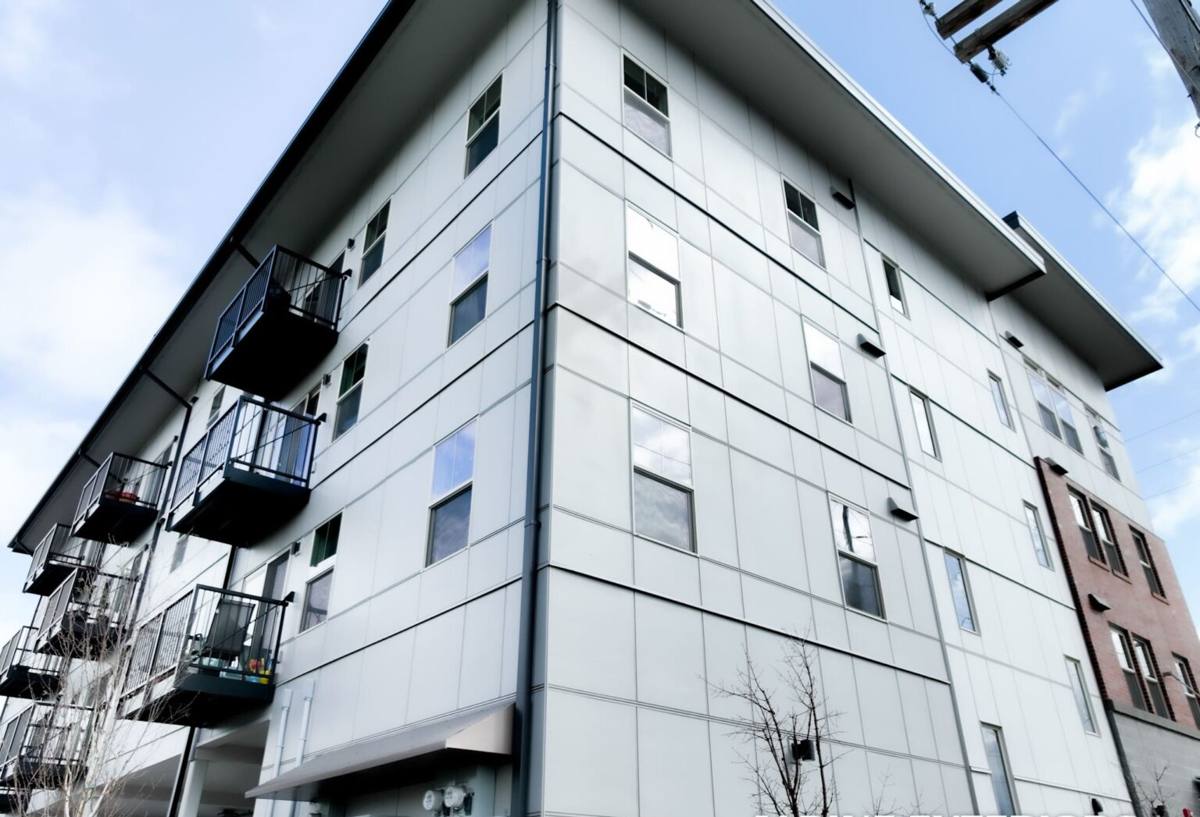
What Lynden's Climate Actually Does to Siding
Whatcom County doesn't get the dramatic storms some regions do — what it gets instead is persistence. Rain that falls softly but often, humidity that never fully clears, and long gray stretches where a wall assembly rarely gets a chance to dry out completely between wet spells. Add in the moss and algae that thrive in that kind of shade and moisture, and you've got a climate that rewards siding with the wrong properties in exactly the wrong ways.
The three things that matter most locally
- Moisture cycling: siding that swells when wet and shrinks when it finally dries stresses paint, fasteners, and joints over years of repeated cycles.
- Moss and algae growth: organic-friendly surfaces stay damp longer, which accelerates rot at any point where moisture can get behind the cladding.
- Salt-tinged air: even well inland, marine air moving through the valley can accelerate corrosion on unprotected fasteners and trim over time.
None of these are dramatic, single-event problems. They're slow, cumulative ones — which is exactly why the material and installation details matter more here than in a drier climate where a mediocre job might go unnoticed for a decade.
Why We Only Install James Hardie Fiber Cement
We install James Hardie fiber cement siding exclusively. We don't install vinyl, LP SmartSide, or other fiber cement brands, and that's a deliberate standard, not a sales preference. In a climate like Lynden's, the material itself does a lot of the work of keeping a house dry and looking good for decades — and Hardie's engineering and finish system line up with what this region actually demands.
What that means in practice
- Non-combustible core: fiber cement doesn't feed a fire the way wood-based products can, which matters given how often this region deals with wildfire smoke and dry-season risk.
- Dimensionally stable: it doesn't swell and contract with moisture the way wood-composite siding does, so joints and paint lines stay tighter through repeated wet-dry cycles.
- ColorPlus factory finish: baked-on color resists fading and chalking far longer than field-applied paint, and it doesn't require the same repainting schedule.
- HZ5 engineered line: Hardie's HZ5 product is formulated specifically for freeze-thaw, moisture, and moss-prone climates like the Pacific Northwest — it's not a generic national product.
- Strong transferable warranty: Hardie backs its product with a warranty that holds up on paper the way the material holds up on the wall.
We'd rather turn down a job than install a product we don't believe will hold up on a Lynden house for the next 30 years. That's the whole reason we standardized on one manufacturer instead of offering a menu of options.
What a Correct Siding Installation Involves
Siding failures almost never start with the siding itself — they start with what's underneath it, or how it was fastened. A proper installation follows a sequence, and skipping steps is how you end up with a wall that looks right for a few years and then doesn't.
The installation sequence
- Tear-off and inspection: removing the old siding to inspect sheathing, framing, and any existing water damage before anything new goes up.
- Sheathing repair: replacing any rotted or compromised sheathing — covering over damaged wood just traps the problem.
- Weather-resistive barrier: installing a properly lapped water-resistive barrier that manages the moisture that inevitably gets past the cladding.
- Rainscreen or drainage plane: in a climate this wet, a drainage gap behind the siding lets incidental moisture drain and the wall assembly actually dry.
- Flashing at every penetration: windows, doors, vents, and roof-wall intersections are where most siding failures actually originate, not the field of the wall.
- Correct fastening: Hardie specifies fastener type, spacing, and placement precisely — proper fastening is what keeps boards from cupping or working loose over time.
- Caulking and sealant at seams: using the right sealant, in the right joints, without over-caulking areas that need to breathe or drain.
Every one of those steps is invisible once the job is done. That's exactly why it matters who's doing the work — a homeowner can't inspect flashing detail after the siding is up.
Signs Your Lynden Home May Need New Siding
| What you notice | What it usually means |
|---|---|
| Persistent moss or dark streaking on siding | Moisture is staying on the surface too long — often a sign of poor drainage or aging material |
| Soft or spongy spots near the base of walls | Water has gotten behind the siding and is rotting sheathing or framing |
| Paint peeling or bubbling repeatedly in the same spots | Moisture is trapped behind the paint layer, often at a failed seam or flashing point |
| Warped, cupped, or separating boards | Common with wood-composite products that swell and shrink with moisture cycles |
| Rising energy bills with no other explanation | Compromised siding and underlying insulation often go hand in hand |
Cost Factors for a Lynden Siding Project
Every siding job is priced around the specifics of the house, so we won't quote a number without seeing it — but the factors that move the price are consistent.
| Factor | Why it matters |
|---|---|
| Home size and complexity | More square footage and more corners, gables, and dormers mean more material and labor |
| Extent of sheathing damage | Hidden rot discovered during tear-off adds repair scope before new siding can go up |
| Siding profile and finish | Lap width, texture, and ColorPlus finish selection affect material cost |
| Trim and detail work | Window and door trim, corner boards, and fascia detailing add labor time |
| Access and site conditions | Multi-story sections, tight lot lines, and landscaping affect scaffolding and staging |
Why Hiring a Crew That Already Works in Lynden Matters
Siding installation isn't a one-size-fits-all trade. A crew that mostly works in drier climates or on production-built subdivisions elsewhere in the country doesn't necessarily carry the same instincts about drainage planes, moss-prone shade patterns, or how much moisture a Whatcom County wall assembly needs to shed. We work in this climate every week, on homes with the same exposure and weather patterns your Lynden property deals with, and that shapes how we detail flashing, where we're strict about fastening, and which finish options we recommend for a given exposure.
Local experience also means we're familiar with the practical realities of working in Lynden specifically — scheduling around the agricultural community's rhythms, working efficiently on the older farmhouses and newer developments alike that make up the area, and understanding how wind and rain patterns off the Nooksack valley affect a job site day to day.
What to expect from our process
- An on-site inspection and honest assessment of your current siding and sheathing condition
- A clear, written estimate with no pressure to decide on the spot
- A defined installation sequence, including sheathing repair if needed, before any new siding goes up
- James Hardie ColorPlus products selected and installed to manufacturer specification
- A walkthrough at completion so you understand exactly what was done and why
Maintaining James Hardie Siding in a Wet Climate
One of the practical advantages of fiber cement in a climate like this is how little ongoing maintenance it demands compared to wood-based alternatives. It won't need repainting on the same schedule as field-finished siding, and it won't swell or rot the way wood composite can. That said, no siding is maintenance-free in Whatcom County.
- Rinse siding periodically to keep moss and algae from establishing, especially on shaded north-facing walls
- Keep gutters clear so overflow doesn't run down the siding face repeatedly
- Trim back vegetation that keeps siding shaded and damp
- Have caulking and seams checked every few years, particularly around windows and doors
Compared to the upkeep that wood-composite or poorly installed vinyl siding demands in this climate, that's a short list — and it's a big part of why we stand behind Hardie as the right long-term investment for a Lynden home.
If your Lynden home's siding is showing its age, or you're planning ahead for a replacement, we're happy to take a look and give you a straight assessment. Reach out for a free, no-pressure estimate using the form below.