 Bellingham Roofing
 Deck Repair Built for Silver Beach's Climate
Silver Beach is one of Bellingham's older, established neighborhoods, and a lot of the decks out here were built or last rebuilt years before today's fastener and flashing standards became common practice. That matters, because Whatcom County's weather is hard on exterior wood structures in specific, predictable ways. Long wet seasons keep decking boards damp for months at a stretch. Salt-laden air moving in off Bellingham Bay accelerates corrosion on nails, screws, and any exposed metal hardware. And shaded corners of a yard, especially under mature trees common in this part of town, stay damp long enough for moss and algae to take hold on decking and stairs.
None of that means a deck is doomed. It means a repair has to account for how the structure actually fails here, not just patch the symptom that's visible from the yard.
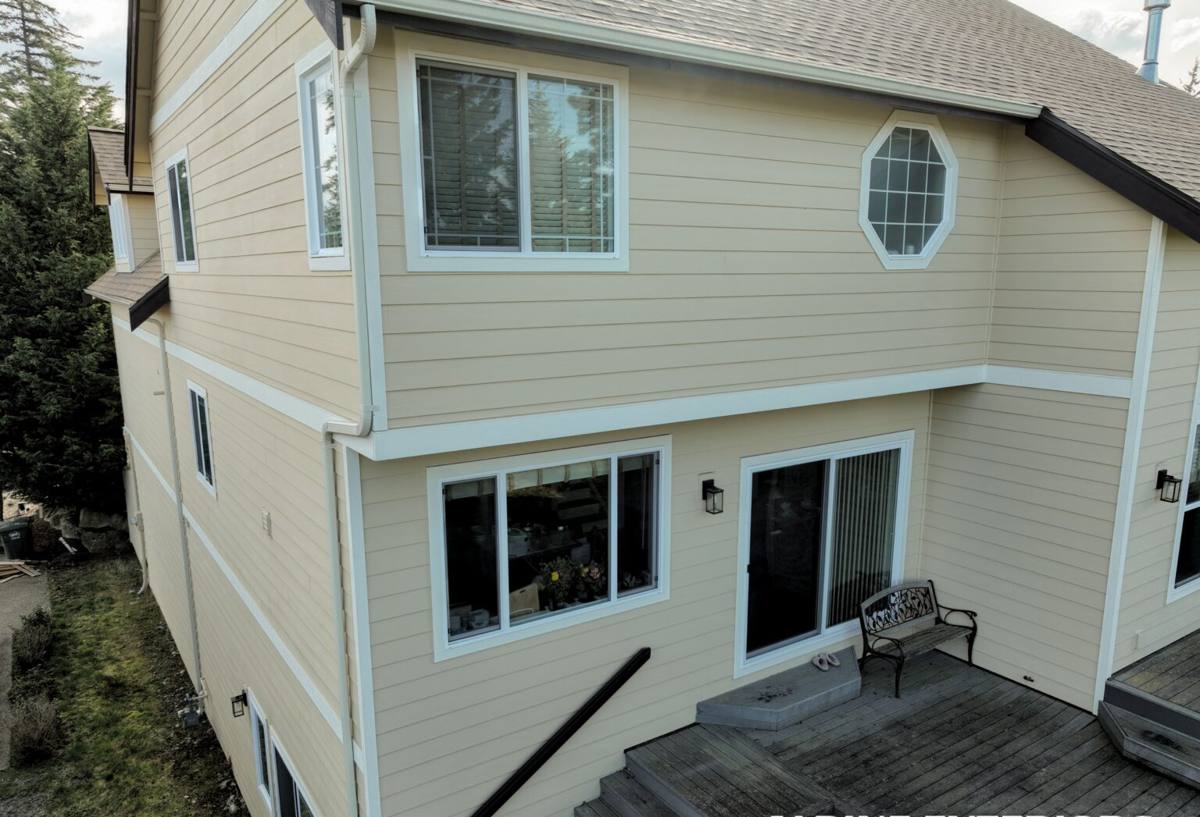
How Bellingham's Climate Actually Damages a Deck
Moisture that never fully dries out
A deck in a drier climate gets to dry out between storms. In Bellingham, driving rain often arrives in back-to-back systems, so wood framing and decking can stay saturated for days. That's what leads to soft spots, cupped boards, and rot starting at the underside of the decking where nobody's looking.
Corrosion at the fasteners and connectors
Salt air is a slow, steady problem. It doesn't rot wood by itself, but it corrodes the nails, screws, joist hangers, and bolts holding a deck together faster than most homeowners expect. A deck can look structurally fine on the surface while the fasteners underneath have lost a meaningful chunk of their holding strength.
Moss, algae, and the surfaces they hide
A long moss season isn't just cosmetic. Moss holds moisture against the wood surface and makes boards slick and dangerous, especially on stairs and ramps. Left long enough, the moisture trapped underneath it contributes to surface rot even on boards that are otherwise sound.
Signs a Silver Beach Deck Needs Repair
Most decks give warning signs well before anything becomes a safety issue. Worth checking for:
- Boards that feel spongy, springy, or noticeably softer underfoot in one area
- Visible gaps, cupping, or splitting concentrated on the shaded or north-facing side
- Rust streaks running down from nail heads or screw holes
- A railing or post that wiggles more than it did a year or two ago
- Green or black staining that comes back within weeks of being cleaned off
- Any separation where the deck ledger board meets the house
- Stair stringers or the ledger connection showing daylight gaps or rust bleed
Any one of these on its own might be minor. Several at once, or anything involving the ledger board connection to the house, is worth a proper look before it's put under a season's worth of foot traffic and rain.
What a Correct Deck Repair Actually Involves
A repair that just replaces the boards you can see and calls it done is the most common shortcut we run into on older Bellingham decks. A repair that actually holds up covers a few layers most homeowners never see:
The framing underneath
Joists and beams get checked for soft spots, not just visually inspected. A joist can look intact from below and still be compromised where it's been in constant contact with moisture.
The ledger board connection
This is the single most important structural point on most decks, and it's also the point most exposed to trapped moisture between the deck and the house siding. Flashing here needs to actually shed water away from the house, not just sit as a token barrier.
Fasteners and hardware
Given how salt air treats standard fasteners here, we typically upgrade to corrosion-resistant hardware rated for coastal or high-moisture exposure during a repair, even if that wasn't what was originally used.
Decking surface and drainage
Boards get replaced where they've failed, but we also look at whether water is draining off the deck surface and away from the structure the way it should, since poor drainage is often what caused the original damage.
Materials: What Holds Up Locally
The right repair material depends on what's already on the deck and what the homeowner wants going forward. Here's how the common options perform under Bellingham's conditions:
| Material | How it handles moisture & moss | Maintenance needed |
|---|---|---|
| Pressure-treated lumber | Good rot resistance if sealed and re-sealed; still needs surface cleaning to prevent moss buildup | Re-seal every 1-2 years; periodic wash |
| Cedar | Naturally moisture and insect resistant, but the surface still grays and can host moss without upkeep | Regular cleaning, occasional oil or stain |
| Composite decking | Doesn't rot or absorb water into the board itself, but moss and algae can still grow on the surface film | Periodic washing; no sealing required |
| Fasteners & hardware | Standard galvanized hardware corrodes faster in salt-influenced air; stainless or coated hardware holds up longer | Inspect every few years for rust bleed |
We don't push composite as a blanket upgrade for every repair. Composite has real advantages for surface durability, but it's also less forgiving during installation, it can trap moisture against framing if ventilation isn't right, and it carries a different warranty structure than wood that homeowners should understand before committing to it. Which material makes sense usually comes down to the condition of the existing frame, budget, and how much upkeep the homeowner wants to take on going forward.
Our Deck Repair Process
- On-site assessment. We check the decking surface, framing, ledger connection, stairs, and railings, including probing for soft spots that aren't visible from a walk-through.
- Honest scope of work. We tell you what actually needs repair versus what's cosmetic, and we're direct about it if a full rebuild makes more financial sense than another round of patching.
- Structural repair first. Framing, ledger flashing, and hardware get addressed before any surface work, since fixing decking boards over a compromised frame just wastes money.
- Surface and safety work. Decking boards, stair treads, and railings get repaired or replaced to match, with attention to drainage so water moves off the deck instead of pooling.
- Cleanup and walkthrough. We walk the finished repair with you so you know what was done and what to watch for going forward.
Keeping a Repaired Deck in Good Shape
A repaired deck stays repaired a lot longer with a bit of seasonal attention. This isn't complicated work, but it's the kind of thing that's easy to let slide in a busy Bellingham fall and winter:
- Sweep debris and standing leaves off the deck surface before wet weather sets in
- Clean visible moss and algae off boards and stairs at least once a year, more often in shaded areas
- Check that gaps between boards aren't clogged with debris that traps moisture
- Look at the ledger board area where the deck meets the house once a year for staining or gaps
- Re-seal wood decking on the manufacturer's recommended schedule rather than waiting until it looks dry and gray
- Keep gutters and downspouts near the deck clear so runoff isn't draining directly onto or under it
What Deck Repair Typically Costs
Costs vary widely based on how much of the deck is affected and whether the framing needs work in addition to the surface. Rough factors that move the price:
| Factor | Why it affects cost |
|---|---|
| Extent of board replacement | A few boards versus the full deck surface changes labor and material significantly |
| Framing or ledger repair | Structural work behind the scenes costs more than surface-only repairs, but skipping it isn't a real option if it's needed |
| Material choice | Composite generally costs more upfront than wood but needs less ongoing maintenance |
| Deck size and accessibility | Larger decks and tricky access (slopes, tight side yards) add labor time |
| Railing and stair condition | Code-related railing or stair repairs add scope beyond the decking surface itself |
We'll give you real numbers after we've actually looked at your deck rather than guessing over the phone, since two decks that look similar from the driveway can need very different scopes of work underneath.
Why a Local Silver Beach Crew Matters
Deck repair isn't a one-size-fits-all trade. A crew that regularly works in Silver Beach and elsewhere around Bellingham has already seen how the local combination of rain, humidity, shade, and salt air plays out on real decks over time, not just in a manual. That means we're not guessing at what caused the damage or what will hold up going forward, we've already seen the pattern repeat across other homes in the same conditions. It also means we're not driving in from out of the area for a one-time job with no accountability if something needs a second look down the road.
If you're not sure whether your deck needs a repair, a rebuild, or just a good cleaning and re-seal, we're happy to take a look and give you a straight answer. Reach out for a free, no-pressure estimate using the form below.