 Bellingham Roofing
 Windows in Sunnyland Face a Tougher Job Than Most
Sunnyland sits close enough to Bellingham Bay that homes here deal with a steady mix of salt-laden air, wind-driven rain, and long stretches of overcast, damp weather that keeps moss and mildew active for most of the year. That combination is hard on windows in ways that don't show up right away. A window that would hold up fine in a dry inland climate can fail early here if it isn't built and installed with this specific exposure in mind.
The bay air carries fine salt that settles on exterior surfaces and slowly works into hardware, hinges, and unprotected metal. Add in driving rain that hits window walls at an angle during fall and winter storms, and you've got two separate stresses working on the same window at once: corrosion from the air and water intrusion from the weather. Whatcom County's long moss season adds a third — organic growth that holds moisture against frames, sills, and trim far longer than a quick rain shower would.
What This Means for Frame and Seal Choices
In this climate, how a window manages moisture matters as much as how well it insulates. A window with a great energy rating but a weak seal design, poor drainage path, or hardware that corrodes will underperform a simpler window that's built to shed water and breathe correctly. We weigh moisture management first, then efficiency, when we're helping a Sunnyland homeowner choose a product.
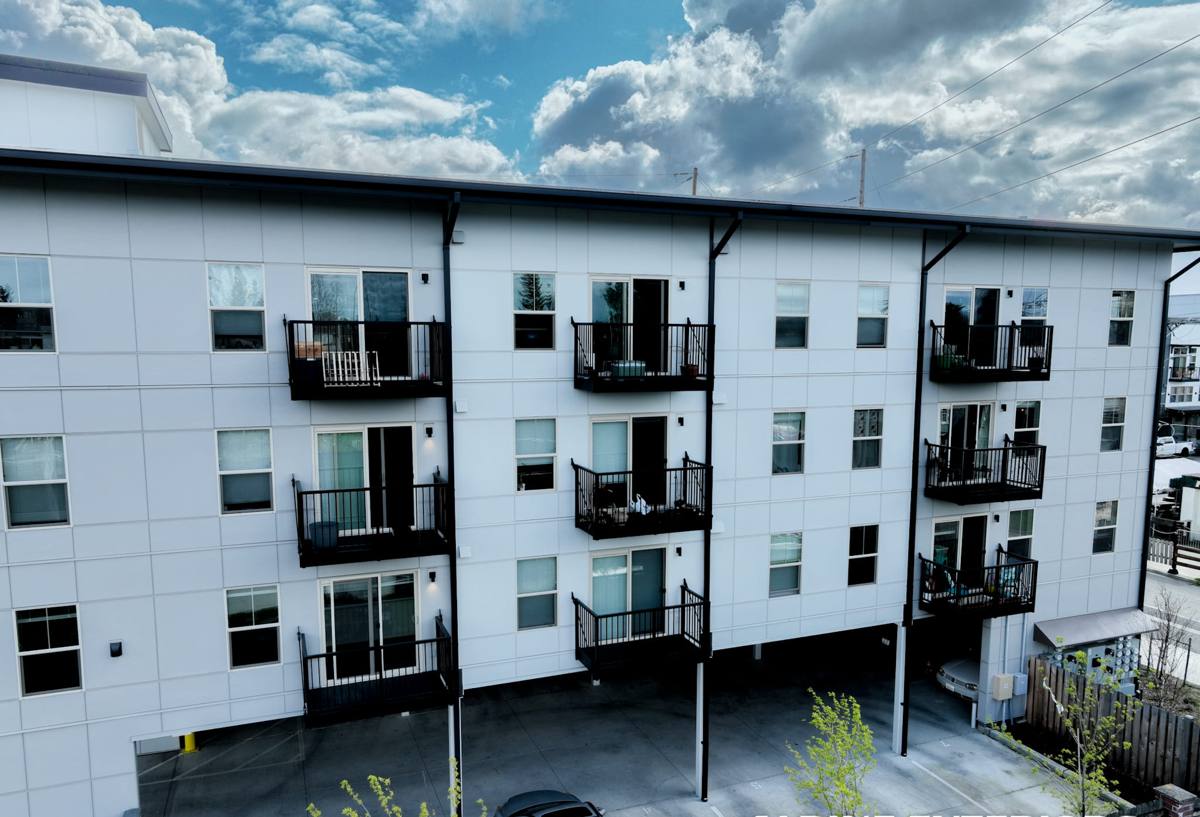
What "Custom" Actually Means for Window Replacement
"Custom" doesn't just mean upgraded trim or a fancy grid pattern. It means the window is manufactured to the exact dimensions of your opening rather than pulled from a limited set of stock sizes. That matters a lot in a neighborhood like Sunnyland, where you'll find a real mix of home ages and construction styles — some openings are standard, but plenty of older homes have openings that have settled slightly out of square, or were framed before modern sizing conventions existed.
Forcing a stock-size window into a non-standard opening usually means shimming gaps, over-relying on caulk to fill the difference, or trimming the opening in ways that weaken the surrounding framing. In a climate this wet, those shortcuts are exactly where leaks start. A properly custom-measured window fits the opening as built, which means fewer gaps to seal and a cleaner moisture path from the start.
Common Window Styles We Install in This Area
- Casement windows — crank outward and seal by compression, which generally resists wind-driven rain better than sliding designs
- Double-hung windows — a common fit for traditional home styles, with tilt-in sashes that make cleaning easier
- Sliders — a practical, budget-friendly option for openings where a wide, unobstructed view matters more than maximum weather resistance
- Awning windows — hinged at the top, useful for ventilation during rain since they shed water away from the opening
- Picture windows — fixed, non-operable units for maximizing light and view with no moving parts to seal or maintain
Frame Material Comparison
Every frame material handles salt air and moisture differently. There's no single "best" choice for every home — it depends on your budget, your home's style, and how directly exposed the window is to wind and rain.
| Material | Moisture & Salt-Air Resistance | Maintenance | Typical Lifespan |
|---|---|---|---|
| Vinyl | Good — won't corrode or rot; seams are the main watch point | Low — occasional cleaning | 20-30 years |
| Fiberglass | Very good — dimensionally stable, resists warping in temperature swings | Low | 30-40 years |
| Wood, clad exterior | Good on the exterior face; interior wood needs protection from any moisture that gets past the seal | Moderate — exterior clad, interior may need refinishing over time | 20-30+ years with upkeep |
| Aluminum | Fair — prone to corrosion near salt air unless well-finished; conducts cold, which can increase interior condensation | Moderate — finish needs monitoring | 20-30 years |
For homes with direct exposure to bay winds, we generally steer homeowners toward vinyl or fiberglass for the frame itself, and reserve wood or aluminum for locations where exposure is lighter or the look is a priority the homeowner wants to keep.
What a Correct Installation Involves
The window product is only half the equation. In a climate with this much driving rain, installation quality is usually the bigger factor in whether a window leaks five years down the road. A correct install includes a sill pan to catch and direct any water that gets past the sash, proper head and side flashing that ties into the home's weather-resistive barrier, a back dam at the sill to stop water from migrating toward the interior, and sealant placed so it manages water rather than just hiding gaps.
Weep paths also matter — most modern windows are designed to let a small amount of incidental water drain back out rather than pool inside the frame. If those weep paths get blocked or aren't accounted for during installation, water that should drain harmlessly instead sits against wood framing and finishes.
Why the Installer Matters More Than the Brand Name
A high-end window installed without proper flashing and drainage will leak. A mid-range window installed correctly, with attention to how it ties into the wall assembly, can outperform it for years. That's why we treat installation technique — not just product selection — as the core of the job, especially on a home exposed to Bellingham's storm patterns.
Our Process
- On-site measure and assessment — we look at each opening's exact dimensions, current condition, and exposure to wind and rain
- Material and style selection — matched to your home's age, construction, and how exposed that particular wall is
- Custom order — windows are manufactured to your opening's actual measurements, not a stock size
- Removal and framing check — when we pull the old window, we inspect the framing underneath for hidden rot or past moisture damage before anything new goes in
- Installation with proper flashing and sealing — sill pan, flashing, and sealant placed to manage water, not just cover gaps
- Final walkthrough — we check operation, seals, and finish work with you before we call the job done
Signs Your Current Windows Are Ready for Replacement
- Fogging or moisture trapped between panes of a double- or triple-pane window
- Windows that stick, won't stay open, or are difficult to lock
- Visible moss, algae, or mildew building up around the frame or sill
- Noticeable drafts near the window even when it's fully closed
- Soft, discolored, or spongy wood at the sill or surrounding trim
- Condensation forming on the interior glass during cold, wet months
- A steady climb in heating costs without a clear explanation
Any one of these on its own isn't necessarily an emergency, but a few showing up together usually means the window's seal or drainage has broken down and water is finding its way somewhere it shouldn't.
Why a Crew That Already Works in Sunnyland Matters
Window performance in this climate comes down to details — how a specific wall assembly handles water, how much direct wind exposure a given elevation gets, and what kind of home construction is common in the area. A crew that regularly works in Sunnyland and the surrounding Bellingham neighborhoods has already seen how local homes are built and where problems tend to show up first, whether that's an older sill assembly, a wall facing prevailing storm winds, or a home style that's common in this part of Whatcom County. That familiarity means fewer surprises once a window comes out and the framing underneath is exposed.
It also means we're not guessing at what "normal" exposure looks like for this area. We're working from what we actually see on jobs nearby, not general assumptions that might apply somewhere drier or less coastal.
Living With Custom Windows in a Marine Climate
Even a well-installed window benefits from basic upkeep in this environment. Rinsing salt residue off exterior frames a couple of times a year helps protect hardware and finishes. Keeping moss and organic debris cleared from sills, tracks, and surrounding trim prevents moisture from sitting against the frame longer than it needs to. It's also worth a quick annual check of the exterior caulking — sealant does have a service life, and catching a small crack early is a lot cheaper than dealing with water damage later. None of this is heavy maintenance, but skipping it in a climate this wet shortens the life of even a well-built window.
If your windows in Sunnyland are original to the home, showing wear, or you're simply planning ahead for a wetter, saltier climate than most window products are designed around, we're happy to take a look and talk through honest options — no pressure, no upsell. Use the form below to request a free estimate and we'll get back to you to schedule a time to assess your home.