 Bellingham Roofing
 Window Replacement for Sunnyland Homes
Sunnyland is one of Bellingham's older, established residential neighborhoods, which means its housing stock spans several decades of construction practices — and several generations of window technology. A lot of homes here still carry original or early-replacement windows that were never built to handle what four or five decades of Pacific Northwest weather can do to a frame, a seal, or a sill. If your windows are drafty, foggy between the panes, hard to operate, or just look tired, you're not imagining it. It's usually the climate, not carelessness, that wears windows down here.
We work on homes throughout Bellingham and Whatcom County, and Sunnyland's mix of older bungalow-era construction and newer infill means no two window replacement jobs in this neighborhood look quite the same. Some homes need a straightforward insert replacement. Others — especially anything with original wood-frame windows or settled openings — need a full-frame approach to get things square, sealed, and flashed correctly. Knowing the difference before you start is what separates a window job that lasts twenty years from one that starts leaking in five.
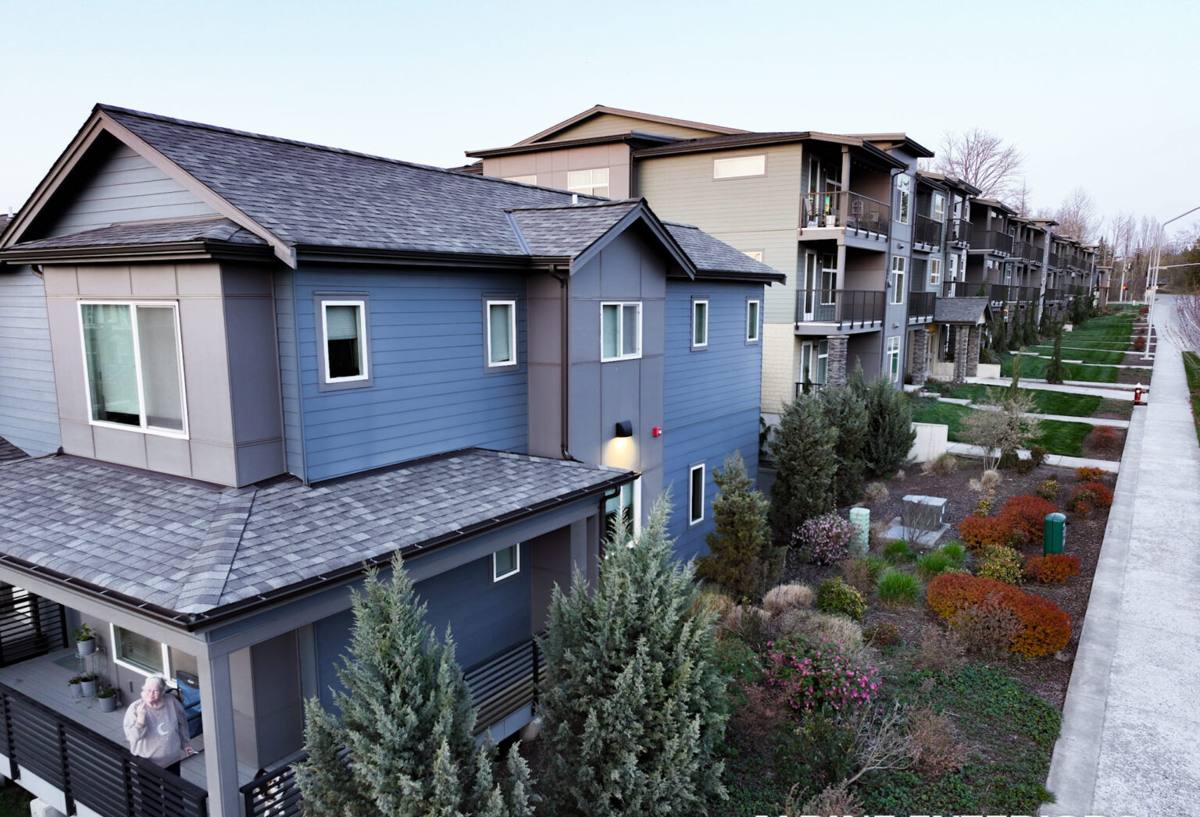
What Bellingham's Climate Actually Does to Windows
Bellingham sits close enough to the water that salt-laden air is a real factor, not a footnote — it accelerates corrosion on hardware, fasteners, and lower-quality frame components over time. Add the region's long stretch of driving rain each fall and winter, and you've got near-constant moisture pressure testing every seam, sealant joint, and flashing detail on the house. Then there's moss season, which in this part of Whatcom County can run much of the year on north-facing and shaded walls. Moss and algae hold moisture against siding and trim longer than open air would, and where that damp trim meets a window frame, rot and seal failure follow.
None of this is unique to Sunnyland, but it's unforgiving toward windows that were installed without the local climate in mind — inadequate flashing, sealants not rated for constant wet-dry cycling, or wood components left exposed without enough protective detailing. A window replacement done for a drier climate, or done without proper flashing integration into the wall assembly, tends to fail here years before it should.
Common Signs It's Time
- Visible fog or moisture trapped between glass panes (failed seal)
- Windows that are difficult to open, close, or lock
- Cold drafts near the frame even when the window is fully closed
- Soft, discolored, or spongy wood on the frame, sill, or surrounding trim
- Condensation forming on the inside of the glass regularly
- Visible daylight or gaps around the frame from outside
- Rising heating bills without a clear other explanation
- Paint that keeps peeling or bubbling near the window despite repainting
Full-Frame Versus Insert Replacement
One of the first decisions on any Sunnyland project is whether the job calls for a full-frame replacement or an insert (pocket) replacement. It matters more here than in newer construction because so many homes in this neighborhood have original framing that has shifted, settled, or absorbed moisture damage over the decades.
| Factor | Insert (Pocket) Replacement | Full-Frame Replacement |
|---|---|---|
| Best for | Sound, square existing frames with no rot | Damaged, out-of-square, or rotted frames |
| Exterior trim | Typically left in place | Removed and often replaced |
| Access to flashing | Limited — relies on existing flashing | Full access to re-flash and seal properly |
| Glass area | Slightly reduced (new frame sits inside old) | Can restore or maximize original glass area |
| Typical timeline | Faster per window | More labor and time per window |
| When we recommend it | Frame is dry, straight, and structurally sound | Any sign of moisture damage, rot, or settling |
We don't default to the faster, cheaper option just because it's quicker to install. If we open up an opening and find soft wood or a compromised sill, we'll tell you honestly rather than seal a new window over a problem that's still there. That's a standard we hold regardless of which neighborhood we're working in, but it comes up often in Sunnyland's older homes specifically.
Choosing Window Materials for This Climate
Vinyl
Vinyl windows are a common, budget-conscious choice and perform reasonably well in wet climates because the material itself doesn't rot or corrode. The trade-off is that vinyl frames can be more prone to warping under significant temperature swings and generally offer less structural rigidity than fiberglass, which matters more on larger window openings.
Fiberglass
Fiberglass frames hold up well against moisture and temperature cycling and tend to keep their shape better over time than vinyl, especially in larger sizes. They typically cost more upfront, which is a real factor to weigh against the expected lifespan of the window.
Wood and Wood-Clad
Wood-clad windows offer a traditional look that suits a lot of the older homes in this neighborhood, but they carry a higher maintenance burden in a climate with this much sustained moisture — exposed wood components need diligent upkeep, and any gap in that maintenance schedule opens the door to rot faster here than in a drier region. We'll install them when a homeowner wants that look and understands the upkeep involved, but we always walk through that trade-off honestly before the order goes in.
Glass Packages and Performance Options
The frame material only tells part of the story — the glass package matters just as much for comfort and energy performance. Most replacement windows we install use double-pane insulated glass with a Low-E coating, which reflects heat while still letting daylight through. Argon gas fill between the panes is a common upgrade that improves insulation value at a modest added cost. Triple-pane glass is available for homeowners who want the highest performance, though it adds weight and cost, and for most Bellingham homes double-pane with Low-E and argon fill hits the right balance of comfort and value.
Whatever glass package you choose, proper installation matters more than the spec sheet. A high-performance window installed with a poor seal or inadequate flashing will underperform a mid-range window installed correctly.
Our Window Replacement Process
- On-site assessment. We inspect each window opening individually — frame condition, sill health, existing flashing, and how the wall assembly is put together.
- Honest recommendation. We tell you whether each window needs an insert or full-frame approach, and why, before you commit to pricing.
- Material and glass selection. We walk through frame material and glass package options based on your budget and the specific exposure of each wall.
- Removal and prep. Old windows come out carefully, and we check for hidden moisture damage in the opening before anything new goes in.
- Flashing and sealing. This step gets the most attention on our jobs — proper flashing integration with the existing siding or wrap is what actually keeps driving rain out over the long run.
- Installation and finish work. New windows are set, shimmed, insulated, and trimmed out to match the surrounding exterior.
- Final walkthrough. We test operation, check seals, and go over care and maintenance before we consider the job done.
Why a Crew That Already Works Sunnyland Matters
Local experience isn't a marketing line — it changes real decisions on the job. A crew that's worked this neighborhood knows the general age range of the housing stock, has a feel for how older framing tends to have settled, and understands which wall orientations take the worst of the driving rain and salt air off the bay. That context shapes how we flash an opening, how much attention we give to a north-facing wall with moss buildup, and how we sequence a job around Bellingham's wetter months.
It also matters for permitting and code compliance. Window replacement in Bellingham and Whatcom County can trigger permit requirements depending on the scope of work — particularly for full-frame replacements that involve structural or egress changes. A crew that regularly works in this jurisdiction knows what triggers a permit and won't leave you to figure that out after the fact.
What Drives the Cost of Window Replacement
| Cost Factor | Why It Matters |
|---|---|
| Insert vs. full-frame | Full-frame requires more labor, trim work, and materials |
| Frame material | Vinyl, fiberglass, and wood-clad carry different material costs |
| Glass package | Double-pane, Low-E coatings, argon fill, and triple-pane each add cost |
| Window size and count | Larger openings and whole-house projects affect labor and material totals |
| Existing damage | Rot or moisture damage found during removal can add scope |
| Trim and siding match | Matching existing exterior finishes adds time on full-frame jobs |
Broadly, homeowners in this area should expect per-window costs to range from a few hundred dollars for a straightforward insert replacement up to several thousand for larger, full-frame installations with premium materials. Every home is different, which is why we price after an actual on-site look rather than a phone estimate.
Maintaining New Windows Through Whatcom County Winters
- Clean weep holes and drainage tracks each fall before the heavy rains set in
- Check exterior caulking and sealant lines annually for cracking or gaps
- Keep gutters clear so overflow doesn't run down onto window trim
- Address moss or algae buildup on nearby siding and trim before it spreads to window frames
- Operate each window a few times a season so hardware and weatherstripping don't seize up
- Watch for condensation between panes — it's an early sign of seal failure, not just a cosmetic issue
New windows are only as good as the maintenance behind them, especially in a climate that stays wet as much of the year as ours does.
If your Sunnyland home's windows are drafty, foggy, or just past their prime, we're happy to take a look and give you a straightforward, no-pressure estimate — including an honest read on whether you need insert or full-frame replacement before we ever talk pricing. Use the form below to get started.